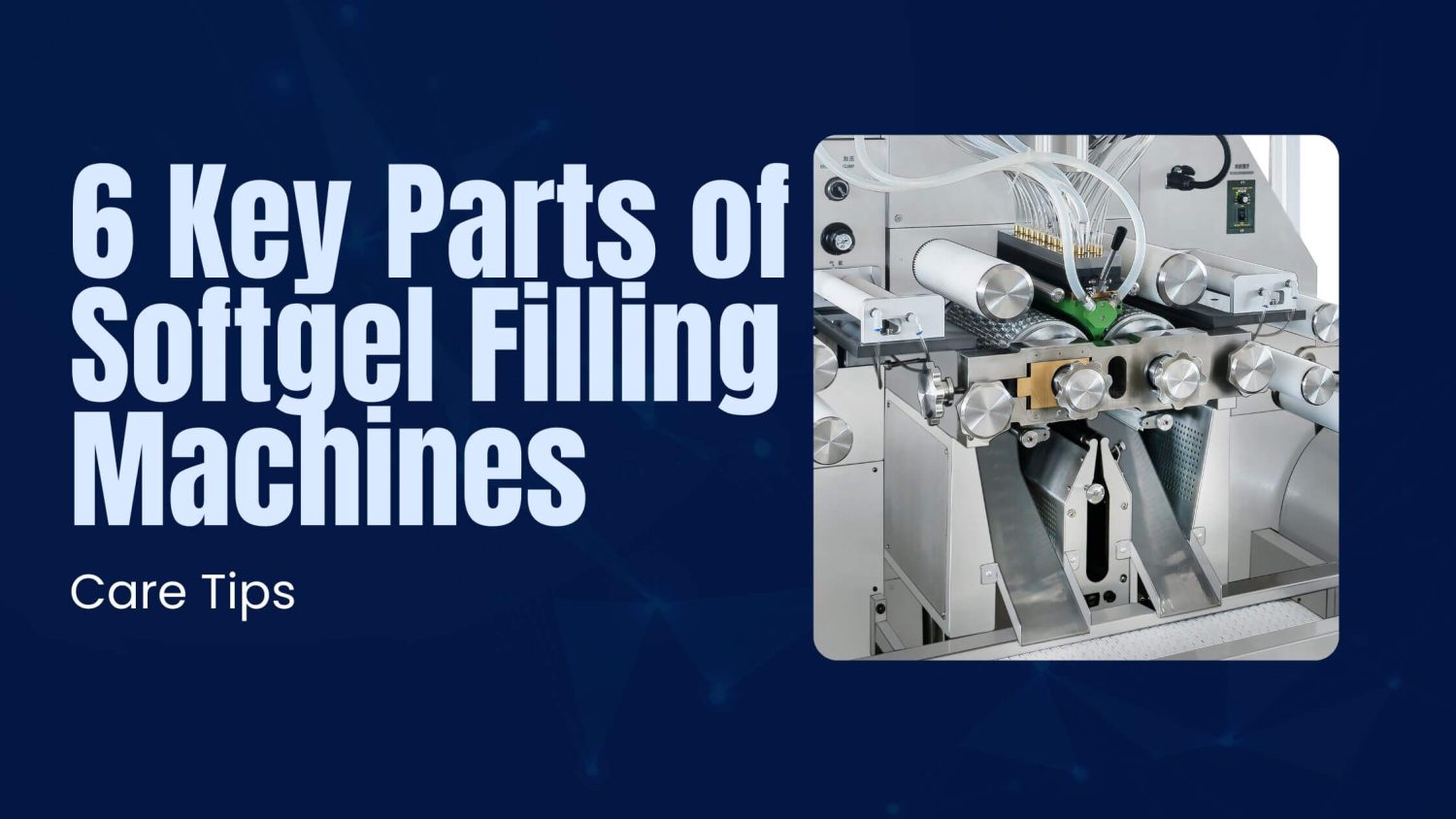
A softgel encapsulation machine can produce soft gelatin capsules in different sizes and shapes. The content could be liquid or semi-liquid materials, such as oils, suspensions, or pastes. It is widely used in pharmaceutical, supplement, and nutrition areas. During production, the machine forms the capsule shell, fills the material, and seals the capsule.
Each step of this process depends on many parts working together. If any part changes or get broken, problems would occur. Thus, it is important to understand what the main parts are and what role each part plays. This article introduces some key parts of a softgel encapsulation machine and explains their basic functions. It may help you better know machine operation, maintenance, and part selection.
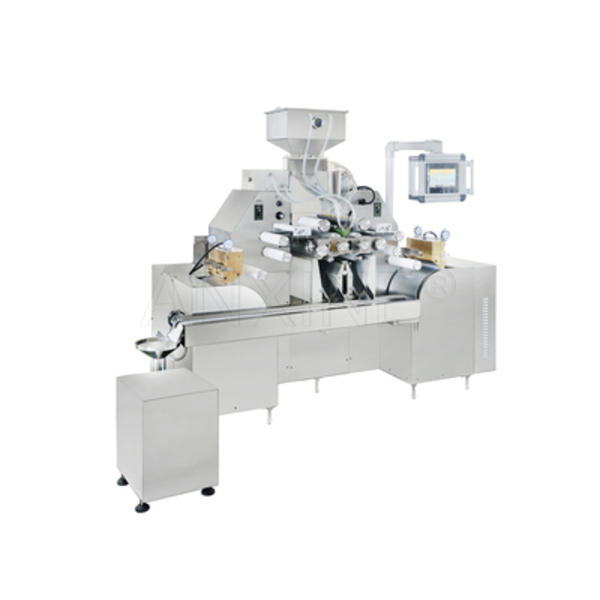
What are the key softgel encapsulation machine parts and their functions?
There are many different systems for production in a machine. It includes the feeding system, forming system, cooling system, and control system. Here are some key parts of these systems.
Melting system
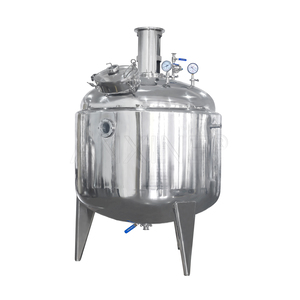
This part is used to prepare and keep liquid gelatin at a stable temperature after mixing the materials. It mainly includes the thermal insulation gelatin storage barrel, heating elements, temperature sensors, and delivery pipes. The melting tank and related contact parts are usually made of stainless steel 316L. This material has good corrosion resistance for storing liquids. Smooth inner surfaces reduce residue and support hygienic production.
Stable temperature plays an important role in this part. Heating tubes and temperature sensors work with a controller to keep the gelatin within the required temperature range. If the temperature is too low, gelatin flow becomes poor and ribbons may break or become uneven. If the temperature is too high, gelatin strength drops and sealing is not good. In the softgel capsule fillers, a typical working range is usually around 48–60°C.
Distribution box
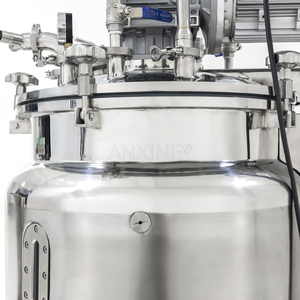
It is used to receive liquid gelatin from the gelatin melting system and distribute it evenly to form gelatin ribbons. The part could also maintain a suitable gelatin temperature during transfer. In addition, it features uniform flow control. Its internal channels are designed to distribute gelatin evenly across the ribbon width. Otherwise, ribbon thickness can change from side to side. Then it may cause sealing problems or capsule defects. A well-designed distribution box helps keep ribbon thickness consistent.
Moreover, the distribution box has a simple and compact structure. This makes disassembly, inspection, and cleaning easier during material change or routine maintenance.
Die roll system
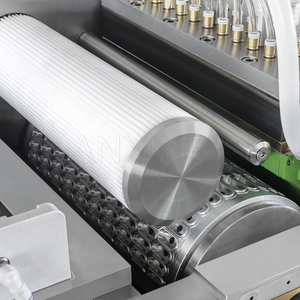
This is the core forming section of a softgel encapsulation machine. In this part, two gelatin ribbons are shaped, filled, sealed, and cut into softgel capsules. So this system has a direct effect on capsule shape and sealing quality. Die rolls are the key parts in this system. They are usually made of high-strength alloy steel or stainless steel with special surface treatment, like polishing. The shape and volume of softgels depend on die roll size and cavity design. Thus, if you want to make softgels with innovative shapes, you need to open a new die roll set. It costs you much higher.
Die roll precision is very important. Poor roundness or misaligned cavities can cause uneven sealing, flashing, or capsule deformation. In stable machines, die rolls are precisely matched as a pair. This matching keeps sealing pressure even across the whole rolling area. Other elements include die roll shafts, bearings and the wedge. They all support smooth and accurate softgel manufacturing.
Feeding system
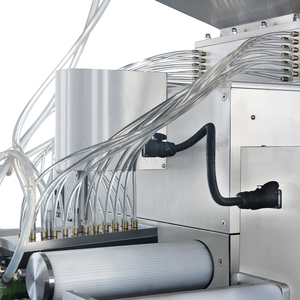
The feeding system is used to store, transfer, and dose the filling material into softgel capsules. It works together with the rolling system and directly affects fill weight accuracy and product consistency. It is divided into several parts.
Ingredient tank
This part holds the liquid or semi-liquid filling material before injection. The contact parts are usually made of stainless steel 316L. Smooth surfaces could reduce residue and support hygienic production. Some tanks support heating or insulation to keep material viscosity stable during operation.
Dosing pump
This pump controls filling volume for each soft capsule. Common pump types include plunger pumps and gear pumps. Plunger pumps are often used for higher accuracy and better control. The other is suitable for stable and low-viscosity materials. You can choose the better one based on the material viscosity and required production speed. A proper pump keeps dosing stable and reduces weight variation.
Injection wedges
They are designed to guide the filling material into the capsule cavities between the die rolls. So their alignment is a key consideration. Good fitting could prevent leakage, splashing, or air. Heating or cooling channels may be needed to keep the filling material at a stable temperature during injection.
Filters and check valves
These parts protect the dosing system. Filters remove particles that could block nozzles, while check valves support one-way flow and stable pressure. They reduce injection faults and support continuous operation.
In a typical softgel feeding system, many parts are designed to support CIP and SIP. This allows internal cleaning without full disassembly and improves cleaning efficiency. It makes pharmaceutical and supplement manufacturers more easily to meet GMP hygiene standards.
Drying unit
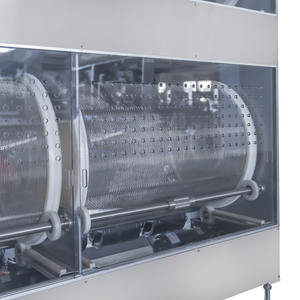
After capsules leave the rolling system, they are still soft and contain some moisture. This part removes excess moisture after encapsulation. Drying helps make a stable capsule shape and prepares them for further processing. In some models, the drying part could be integrated into the production line for continuous operation.
In integrated systems, the tumble dryer is always used. You can adjust the speed and airflow for the required drying. Stable drying conditions keep a good softgel appearance and shell strength consistent.
Control part
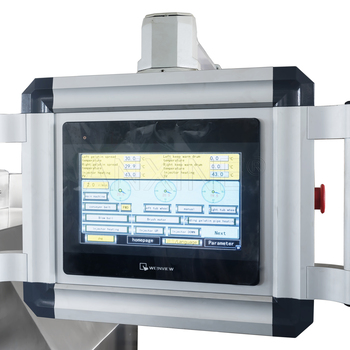
The control panel controls and monitors all operations during production. In most softgel machines, the control system includes a PLC, a touch screen, sensors, and electrical control components. Operators use the panel to set basic parameters such as machine speed or die roll speed.
The control system also supports monitoring and basic data recording. Key parameters such as temperature, speed, and alarms can be displayed and stored. This makes the operator easier to review production conditions and identify the cause if the machine gets broken.
How to maintain a softgel encapsulation machine?
Proper maintenance is necessary to keep a softgel encapsulation machine running smoothly and efficiently. Regular care also supports consistent capsule quality. Here are some maintenance tips for your reference.
Regular cleaning and lubrication
After each production run, product-contact parts such as die rolls and wedges should be cleaned to remove residue. This prevents sticking, buildup, and cross-contamination. You’d better use cleaning tools with smooth surfaces. They won’t scratch the part surface.
Regular lubrication is also needed. Some key parts, like bearings and shafts, require weekly lubrication. You can follow the manual to use the correct lubricant. It extends part life and keeps the machine operating smoothly.
Worn part replacement
During long-term operation, softgel encapsulation machine parts are exposed to heat, pressure, and continuous movement. This causes gradual wear on parts like die rolls. Then, problems of softgels would occur. For example, the capsule shape may change or leakage may appear. Therefore, timely replacement is necessary for good operation.
Records checklists
Operators can make a daily or weekly checklist to confirm cleaning, lubrication, and basic inspections. Maintenance records make it easier to track part condition, plan replacements, and identify recurring issues. It makes the operation smoother.


