In the pharma industry, pills like such as tablets and capsules need reliable packaging to protect them from moisture, oxygen, and contamination. Good packaging also keeps a good shelf life. Among the many packaging types, strip packaging and blister packaging are the most common for tablet or capsule packing. Both methods provide strong protection, and allow patients to carry doses conveniently.
What is Strip Packaging?
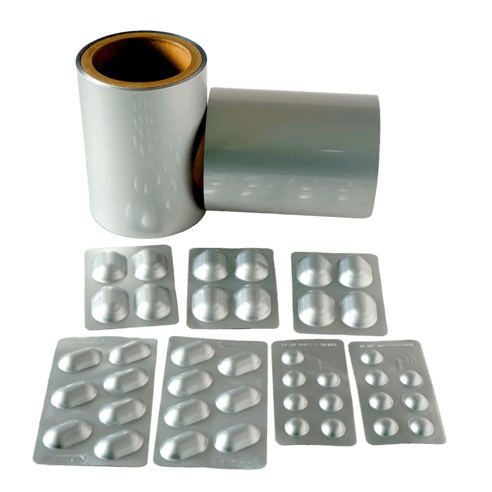
This type is a simple way to pack tablets or capsules one by one in small sealed pockets. The packaging is made of two layers of foil or film, sealed together by heat or pressure. It is easy to tear off for consumption. Strip packaging is lightweight and easy to carry, ideal for daily use and travel.
To make this packaging, the most common material is aluminum foil. The whole packaging could be made with this material. Sometimes, one side of the strip is made of plastic or paper to make it easier to tear. Because of its strong protection, strip packaging is often used for medicines that are sensitive to humidity or temperature.
What is Blister Packaging?
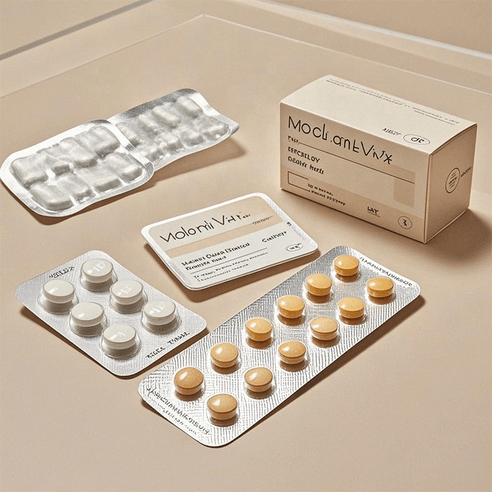
This packaging consists of many plastic cavities and a backboard. Each cavity can hold a unique pill for easy taking. The number and size of cavities could be changed to meet specific production needs. Blister packaging is widely used in the pharmaceutical and nutraceutical industries. It is suitable for tablets, capsules, chewable supplements, and softgels.
The most common materials used for blister packs are PVC, PVDC, and Alu–Alu foil. PVC blisters are clear and cost-effective. They are suitable for products that do not require high moisture protection. PVDC-coated blisters offer better protection against humidity and oxygen. Alu–Alu blisters could be used for sides. It provides the strongest barrier, ideal for products that are highly sensitive to light or moisture.
Three Differences Between Blister Packaging and Strip Packaging
Though these two types look similar, they have many differences you should know.
Appearance
Blister packaging has transparent packaging. Customers could directly see the color and size of tablets. This visible design makes the product look cleaner and more modern. Blister packs also come in different shapes and layouts, which makes them more attractive for retail display.
On the other hand, strip packaging looks like a flat strip. Customers can’t see the products inside. Each piece can also be torn off by hand. The surface is usually silver or matte because it is made from aluminum foil.
Manufacturing Process
Blister Packing Machines
A blister packing machine is important in the blister packaging process. It forms plastic cavities first, and then fills them with tablets or capsules. Finally, the cavities are sealed with an aluminum or plastic film. Blister packaging lines are usually faster and more complex than other packaging production.
Blister machines can reach high production speeds, suitable for large-scale operations. They could handle cavity forming, product feeding, sealing, cutting, and sometimes printing. There are many machine models available. You could choose the most suitable one according to your production needs.
Strip Packaging Equipment
A strip packing machine is used to seal tablets or capsules between two flat layers of material. The machine automatically feeds the tablets, positions them between the foils, and seals them tightly. It then cuts the strip into smaller sections, such as 10 or 12 units per pack. You could change the number based on your specific needs.
This process is simpler and generally slower than blister packing. But it provides excellent protection from moisture and light. Most strip packing machines have a medium-speed range. The sealing is done through heat sealing or sometimes cold sealing for heat-sensitive products. Modern machines are usually fully automatic. They can feed, count, seal, and cut in one line by themselves.
Cost
The cost is influenced by many factors, such as materials and machines. If both methods are used to pack the same number of pills, strip packaging generally costs less than blister packaging. It uses simpler machines and mainly aluminum foil as the material. It keeps the overall expense low. This makes strip packaging economical for limited or medium-scale production where speed is not the main concern.
In contrast, blister packaging involves a higher initial investment and more complex materials. The machines cost more, but they run at much higher speeds. In large-scale production, this higher speed helps reduce the cost per unit. Because more tablets can be packed in the same amount of time, it greatly improves the efficiency.
How to choose between strip and blister packaging?
Product Sensitivity
If the tablet or capsule is highly sensitive to moisture, light, or oxygen, strip packaging is usually a better option. It can completely block air and light to offer strong protection. This helps keep the medicine stable for a longer time. For normal products that require common protection, blister packaging works well. You need to select the most suitable one based on your product identities.
Production Volume
For small or medium-scale production, strip packaging is more practical. The machines are smaller, and easier to operate. For large-scale production, blister packaging is more efficient. Blister machines run at higher speeds. It can handle continuous, high-volume packing lines. This reduces labor time and overall cost in the long run.
Market Preference
Blister packs look clean, modern, and professional. The clear plastic side shows the product directly. It builds consumer trust and improves brand recognition. Besides the hospital, they are also popular in drug stores. Blister packs are ideal for retail or over-the-counter supplements and medicines. Strip packs look simpler and they are mostly opaque. This type is often used for hospital packaging, clinical use, or export.
Budget
Strip packaging has a lower material and machine cost, making it more economical for small business like wokshop. Blister packaging has higher equipment and tooling costs, but its high production speed helps reduce the cost per unit over time. For long-term or large-scale use, blister lines may be more cost-effective.
The End
Both strip and blister packaging play important roles in protecting tablets and capsules in the pharmaceutical and supplement industries. They fit different applications and purposes. The best choice depends on the product’s sensitivity, production goals, and target market. A clear understanding of them helps you select the most practical and cost-effective solution for your products.


