For consumers, Omega-3 capsules may seem like a simple daily supplement. For manufacturers, however, producing them is not just a matter of putting fish oil into a capsule.
The quality of Omega-3 softgel capsules depends on more than the fish oil or algae oil itself. It also relies on the softgel encapsulation process and the equipment used. Since Omega-3 oils are liquid, prone to oxidation, and often have a strong odor, they require accurate filling and reliable sealing. For this reason, equipment buyers need to understand the oil’s properties, the main production challenges, and the key factors in choosing a suitable softgel production line.
This article explains what Omega-3 softgel capsules are, why Omega-3 oils are well-suited for softgels, what challenges manufacturers may face during production, and what buyers should consider when choosing Omega-3 softgel capsule manufacturing equipment.
What Are Omega-3 Softgel Capsules?
Omega-3 softgels are a common dosage form for dietary supplements. They usually contain omega-3-rich oils, such as fish oil, krill oil, or algal oil, inside a soft capsule shell. The shell is often made from gelatin. Plant-based materials can also be used to meet vegetarian, halal, kosher, or specific market needs.
What Is Omega-3?
Omega-3s are a group of polyunsaturated fatty acids that are important to human health. This family includes several types. In dietary supplements, the most discussed ones are:
- ALA (alpha-linolenic acid)
- EPA (eicosapentaenoic acid)
- DHA (docosahexaenoic acid)
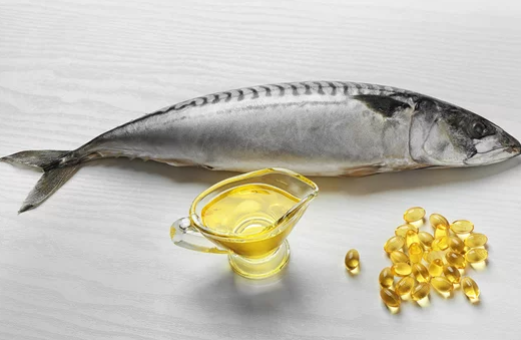
According to the NIH Office of Dietary Supplements, ALA is mainly found in plant-based foods and vegetable oils. Common sources include flaxseed oil, soybean oil, and canola oil. EPA and DHA are mainly found in marine sources, such as fatty fish, fish oil, krill oil, and algal oil. The NIH Office of Dietary Supplements states that omega-3 fatty acids are important parts of cell membranes and play key roles in the body. DHA is found in high levels in the brain and retina. EPA and DHA are also often studied and used in supplements related to heart, brain, and eye health. These are commonly discussed as omega 3 softgel capsules benefits.
How Do People Get Omega-3 Fatty Acids?
The human body cannot make omega-3 fatty acids from scratch. For this reason, people need to get them from food or dietary supplements.
ALA is mainly found in plant-based foods and vegetable oils. In general, it is easier to get ALA through a regular diet. EPA and DHA are mainly found in fatty fish and marine oils. The body can convert some ALA into EPA and DHA, but this process is usually limited. As a result, supplements are a common option for people who do not often eat fatty fish, or who want a more direct and standardized way to get EPA and DHA.
Note: Omega-3 supplements are not the only option. People can also get omega-3 fatty acids through food. The USDA FoodData Central database can be used to check nutrient information and plan a balanced diet.
Why Is Omega-3 Oil Commonly Made into Softgels?
Omega-3 oil is often made into softgels because this form is well-suited for liquid, oil-based ingredients. The sealed shell helps keep the oil inside and lowers the risk of leakage. It also reduces the oil’s contact with oxygen, which can help maintain the stability of EPA, DHA, and other components. Softgels can also make fish oil or algal oil easier to take by masking some of the fishy smell and oily feel. Because they provide a set dose, are easy to carry, and are usually easier to swallow, consumers often accept them more readily. For these reasons, softgels are commonly used for omega-3 supplements.
EPA and DHA Are Less Common in Daily Foods
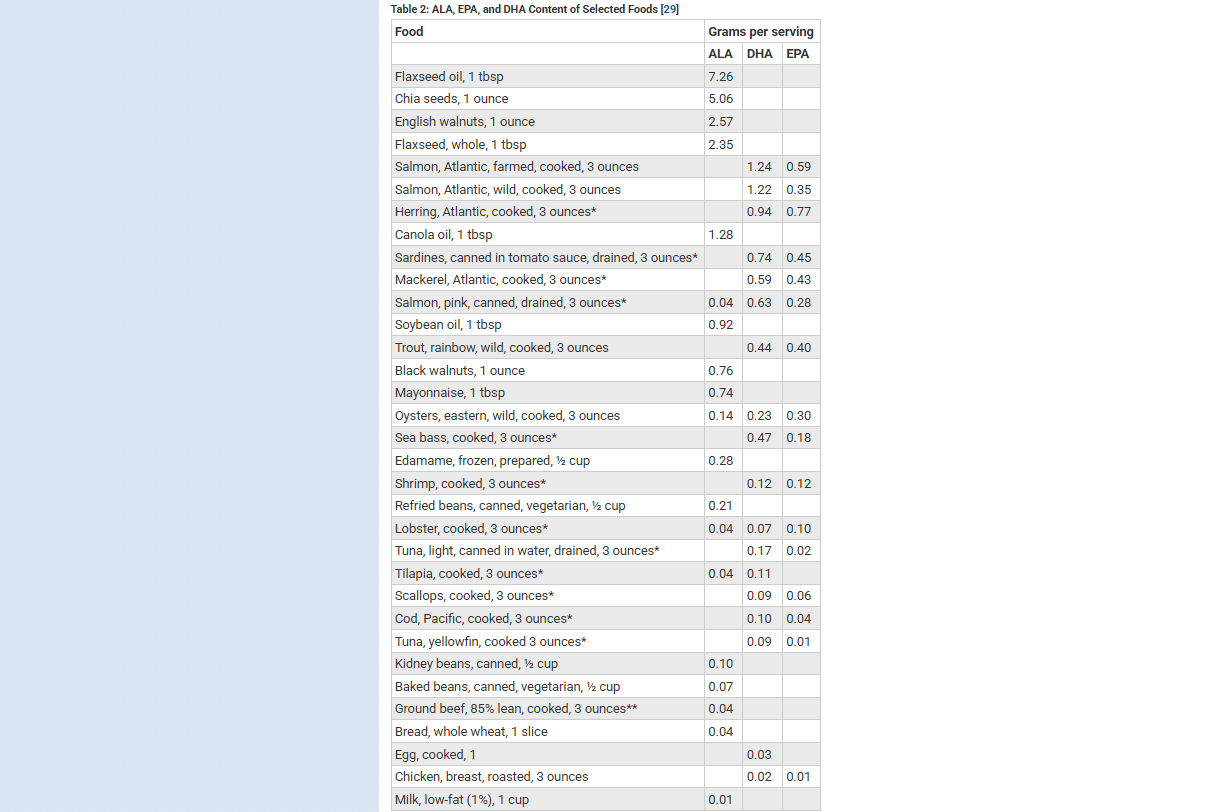
NIH Office of Dietary Supplements also states a table that shows the amounts of ALA, EPA, and DHA in some foods that contain omega-3 fatty acids. The data confirms again that ALA mainly comes from plant-based foods, such as seeds, nuts, and plant oils. EPA and DHA mainly come from seafood, including fish and shellfish.
In terms of the amount per serving, some plant-based foods provide high levels of ALA. For example, 1 tablespoon of flaxseed oil provides 7.26 g of ALA. EPA and DHA are mostly found in seafood, and the amount can vary widely by type. For example, 3 ounces of cooked farmed Atlantic salmon provides about 1.83 g of EPA and DHA combined.
Therefore, getting the same amount of EPA and DHA from daily food can be more difficult than getting ALA. Also, the food choices are more limited. Thus, for people who do not eat fish regularly but want to intake enough EPA and DHA, omega-3 supplements can be a good option.
Capsules Offer Convenient and Pre-Measured Servings
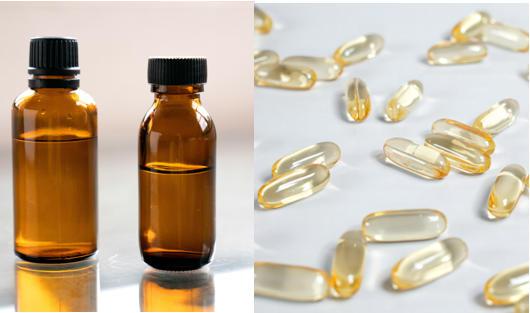
Bottled liquid fish oil usually has to be taken with a spoon or dropper. This can make the amount harder to measure, and some oil may remain on the tool. Capsules contain a fixed amount of oil, making it easier for consumers to track their dosage. Compared with bottled liquid fish oil, capsules are also easier to pack and carry.
Capsules Are More Palatable
Fish oil, algal oil, and similar products come from marine sources, so they often have a slight fishy smell. Some people also dislike the oily texture of liquid oils. For those who are sensitive to these smells or textures, capsules are often easier to take. A better taste and mouthfeel can also make it easier to use the supplement regularly and get the intended benefits.
However, some liquid fish oils are flavored with citrus or mint to reduce the fishy taste. If someone only dislikes the smell but does not mind the oily texture, a flavored liquid fish oil can still be a good choice. Also, liquid fish oil may be more suitable for people who have trouble swallowing capsules.
Softgels vs Hard Capsules: Which Works Better for Oils
Soft capsules are usually formed as a single sealed unit. During manufacturing, the fill material is enclosed and sealed within the capsule shell, which provides strong protection against leakage. Traditional hard capsules use a two-piece structure, consisting of a cap and a body that fit together, leaving a seam between them. Therefore, for liquids or oil-based fills such as fish oil, soft capsules generally offer the following advantages over standard hard capsules:
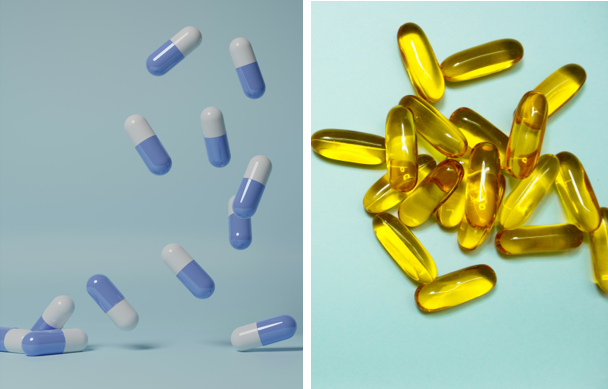
Better sealing.
- Fish oil is a highly fluid, oil-based fill. If the capsule is not properly sealed, leakage may occur, and odor may escape. This can contaminate the bottle or outer packaging. The one-piece sealed structure of a soft capsule helps reduce these risks.
Better protection of the contents.
- Omega-3 fatty acids in fish oil, such as EPA and DHA, are sensitive to air, light, and heat. They can oxidize and lose quality over time. Soft capsules are better sealed, which helps limit oxygen exposure. This helps maintain the stability of the active ingredients.
Easier to swallow at a similar size
- Their smooth surface and softer texture help them slide down with less discomfort. For products like fish oil, where each capsule is often fairly large, this can make softgels easier for consumers to accept.
However, this does not mean hard capsules cannot be used for liquid or oil-based fills. Today, hard capsules can be sealed with techniques such as capsule sealing, adhesive sealing, or banding to help reduce the risk of leakage. Manufacturers can also choose or develop hard capsule shells that are better suited for liquid or oil-based ingredients. This can improve compatibility between the shell and the fill, and help reduce issues such as leakage, shell softening, brittleness, ingredient migration, or unwanted interactions.
In short, hard capsules can still be made to work. But overall, softgels remain a better fit for fish oil products because they offer better sealing, help protect the oil, and are easier to swallow.
Note: Capsules help protect fish oil and mask its odor and unpleasant taste. However, they can also make it harder for consumers to notice if the oil inside has deteriorated. For this reason, manufacturers should provide a clear expiration date and storage instructions. Consumers should store and take the product according to the label. If softgels show oil leakage, sticking, cracks, an unusual odor, or an abnormal appearance, do not use them.
How Softgel Encapsulation Machines Work and What Challenges Manufacturers Face
The encapsulation process in the pharmaceutical industry is a continuous forming process. It usually includes gelatin ribbon preparation, controlled fill delivery, rotary die sealing and cutting, and initial drying. Common issues usually come from poor temperature control, uneven ribbon thickness, inaccurate filling, die roll mismatch, weak seals, or uneven drying.
Note: This section is based on actual manuals and technical materials for softgel encapsulation machines. The process described here represents a typical operating workflow and is intended for general reference only.
The Softgel Manufacturing Process
In simple terms, the workflow of a softgel encapsulation machine is as follows.
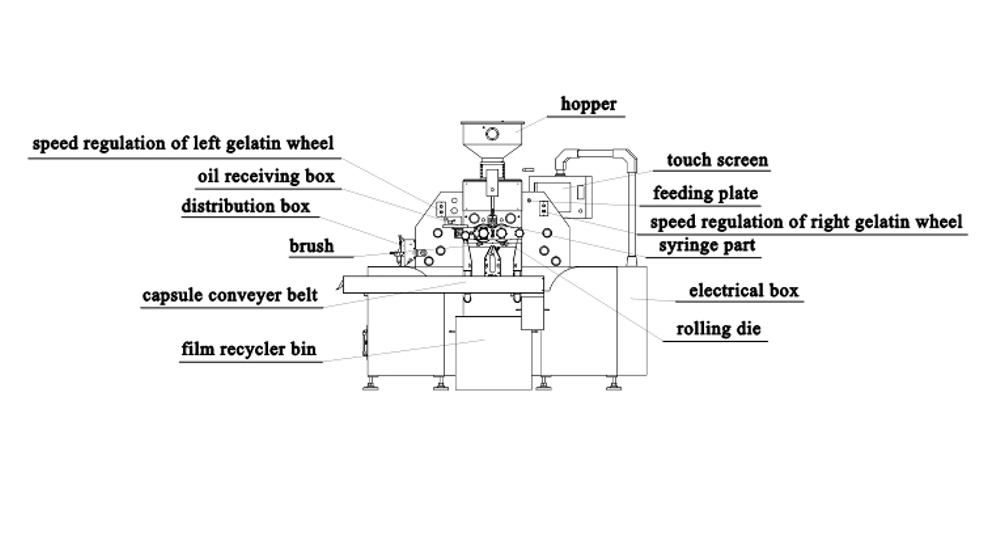
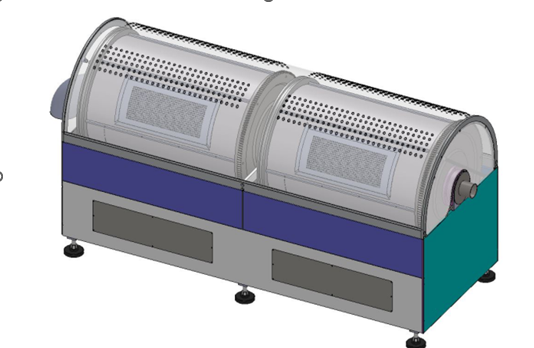
A softgel encapsulation machine converts temperature-controlled gelatin mass into two continuous gelatin ribbons. A metering pump then delivers a precise dose of liquid or oil-based fill material between the ribbons, usually through an injection wedge. The ribbons pass between a pair of rotary dies, where they are sealed around each dose and cut into individual softgels. The newly formed softgels are transferred by conveyor to a tumble dryer for initial setting and drying.
Working Process: Gelatin Holding & Transfer → Ribbon Formation → Cooling & Lubrication → Fill Feeding → Wedge Injection → Rotary Die Encapsulation → Ejection & Separation → Tumble Drying
Key Challenges in Softgel Manufacturing
Softgel manufacturing is a continuous encapsulation process. It involves several connected steps. Poor control may influence fill accuracy, seal strength, appearance, or production efficiency. Common challenges in softgel production include the following:
1. Keep the Gelatin Mass Temperature Stable
A stable gelatin mass supports steady softgel production. Temperature affects its viscosity and fluidity. Low temperature may make the gelatin mass thicker and reduce even spreading. Large temperature changes may also cause uneven gelatin ribbon thickness, which may affect forming and sealing in later steps.
2. Control Gelatin Ribbon Thickness
Softgels are formed by sealing two gelatin ribbons together, so consistent ribbon thickness is critical. If the ribbon is too thin, seal strength may be reduced, increasing leakage or rupture. If the ribbon is too thick, cutting and forming may be affected, and gelatin consumption will increase.
3. Ensure Accurate Fill Weight
Fill accuracy directly affects softgel weight uniformity and dose uniformity. Incorrect feed pump settings, changes in fill material viscosity, or air trapped in the lines can cause capsule-to-capsule variation in fill weight. Unstable filling may cause insufficient fill, excessive fill, or an underfilled appearance. In severe cases, it may also increase the risk of leakage when sealing.
4. Synchronize Fill Delivery with the Encapsulation Dies
During softgel forming, the fill material must enter the die cavities at the correct time. The fill pump controls fill weight and must match the die-roll rotation. If the timing is inaccurate, the fill may be injected off-position. Poor timing causes irregular capsule shape, fill entrapment in the seal area, uneven fill weight, or incomplete cutting.
5. Improve Seal Integrity
Softgel fills are often oils, liquids, or semisolids. If the seal is not stable, the capsules may leak, deform, or be rejected. Seal stability depends mainly on gelatin ribbon thickness, wedge temperature, die roll pressure, die roll alignment, and fill injection position. It should not be controlled by die roll pressure alone.
6. Control the Drying and Setting Process
Newly formed softgels have a high moisture content in the gelatin shell, so they remain soft and are not fully set. If initial drying is not properly controlled, the capsules may adhere to each other, flatten, develop indentations, or lose shape stability. In initial drying, tumbling, airflow, and residence time should be carefully controlled.
Key control points in softgel manufacturing include maintaining a stable gelatin mass temperature, keeping gelatin ribbon thickness consistent, ensuring accurate fill weight, timing material feed with the encapsulation dies, achieving reliable seals, and maintaining setting and drying.
How to Choose Equipment for Omega-3 Softgel Production?
When choosing equipment for Omega-3 softgel production, buyers should not focus only on the machine price or rated output. Equipment selection should start with the actual formula and production needs.
Step 1: Define the Target Product and Production Capacity
Define the capsule shape, fill weight per capsule, and target output per shift or per day. Softgel machine capacity should not be evaluated only by the maximum die roll speed. For example, some machines can reach 5 rpm, but during long continuous production, operation at no more than 4 rpm is generally recommended. The key factor is stable production output, rather than the rated maximum speed.
Step 2: Check Fill Accuracy and Oil Compatibility
- Fill weight range per capsule
- Fill weight variation
- The viscosity of the target oil
Step 3: Review Gelatin Ribbon Control and Seam Stability
- Ribbon thickness adjustment
- Thickness consistency of the left and right ribbon
- Temperature stability of spreader box, gelatin tank, and sealing area
- Cooling performance for ribbon formation
- Die roll alignment and seal strength
Step 4: Confirm Drying and Post-Processing Capacity
- Drying system capacity relative to the encapsulation machine output
- Risk of capsules sticking together or losing shape after drying
- Need for a drying room, tray drying, or other drying equipment
- Capacity match between polishing, inspection, packaging equipment, and the full line
Step 5: Consider Contact Materials, Cleaning, and Maintenance
Check the following components for ease of disassembly, cleaning,
and maintenance. Verify that they meet food and dietary
supplement production requirements.
- Hopper
- Gelatin holding tank
- Gelatin feed piping
- Gelatin feed pump
- Wedge assembly
- Spreader box
- Gelatin-contact components
Step 6: Evaluate Supplier Support Capability
Buying a softgel machine is not just about the encapsulation unit. You also need to think about daily operation and long-term production stability. Before you place an order, make sure the supplier can support you with:
- Custom die roll design
- Installation and start-up
- Operator training
- Spare parts
- Maintenance advice
- After-sale support
Conclusion
Softgel filling is a mature and efficient dosage form process. It is particularly suitable for Omega-3 oils, fat-soluble vitamins, plant oils, and other oil-based formulations.
It helps solve common issues like liquid formulation, including dosing accuracy, leakage, oxidation, odor control, and patient or consumer acceptance. With a softgel encapsulation machine, rotary die sealing, and a matched drying system, large-scale production with accurate fill weight, reliable sealing, and consistent capsule appearance can be achieved. In the nutraceutical and oral dosage form markets, softgels offer strong advantages
because of their convenience, proven manufacturing process, and high market acceptance.
Looking for a reliable softgel encapsulation machine supplier? Anxine can help you find the right solution.
FAQs on Softgel Capsules Manufacturing
References:
- Omega-3 Fatty Acids: Fact Sheet for Health Professionals – NIH Office of Dietary Supplements
- FoodData Central – U.S. Department of Agriculture (USDA)


