If you’re making or selling capsules, you really need to know the role of an opacifier in your formulation. Titanium dioxide has been the most popular capsule opacifier for decades. But things changed when the EU banned it as a food additive in 2022.
Many capsule manufacturers want to know: “Is titanium dioxide still allowed in capsules?” and “Should we move to TiO₂-free options like zinc oxide?”
In this post, we will look at what titanium dioxide or zinc oxide can actually do in capsules. We’ll compare the two so you can decide which one fits your product best. Plus, you can get the most up-to-date rules around using these opacifiers.
What Is an Opacifier in Capsules?
Gelatin and plant-based capsule shells are naturally transparent. So visible light and some UV light may pass through easily. It is a problem for activists who are sensitive to light. To protect the fillings, the capsule shell needs to be opaque. That’s where an opacifier comes in.
An opacifier is a substance blended into the capsule shell material to make it non-transparent. It’s made of countless tiny particles that scatter and reflect visible and UV light. These particles also enhance the capsule color.
Most opaque capsules you see in the market are white or colored. Besides shielding light-sensitive ingredients, they also give your products a uniform look by hiding any unattractive colors or speckles from the powders or granules inside.
Today, the most common opacifiers for capsule shells are titanium dioxide (TiO₂), zinc oxide (ZnO), and calcium carbonate (CaCO₃). But our focus here will be on the two main contenders: TiO₂ versus ZnO.
Titanium Dioxide in Capsules
What Is Titanium Dioxide?
Titanium dioxide (TiO₂) is a white pigment that occurs naturally as the minerals rutile and anatase. After processing, this inorganic compound turns into an ultra-white, very fine powder.
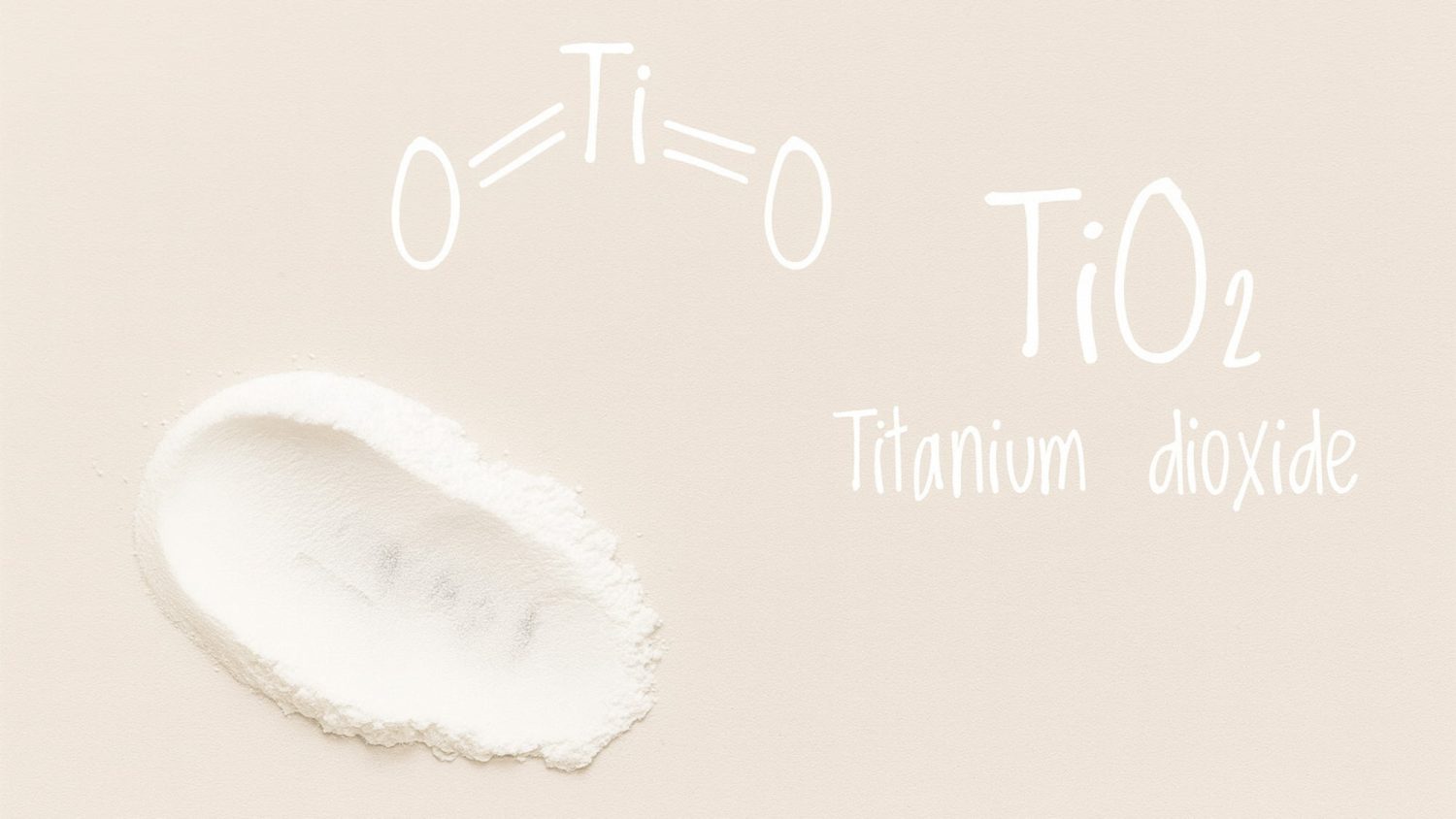
TiO₂ is the most widely used modern pigment because it has a very high refractive index and strong light-scattering power. Just a small amount can make a capsule shell solid white and effectively block UV light.
Why Titanium Dioxide Became the Go-To Capsule Opacifier
In 1966, the FDA permitted titanium dioxide for limited use as a food color additive. That quickly made it common in pharmaceutical applications as well. It has been part of capsule shells for more than half a century. Why is it so well received in the industry? Let’s dig into the reasons:
- The high refractive index gives TiO₂ brilliant whiteness and opacity. Even with a low dose, you can get a clean, opaque white capsule.
- TiO₂ is effective at scattering and absorbing UV-A and UV-B rays. This helps protect light-sensitive active ingredients.
- TiO₂ is chemically stable and doesn’t react with other ingredients, so it disperses well in capsule shell materials like gelatin or HPMC.
- Cost is probably one of your biggest concerns. The good news is that TiO₂ is widely produced, relatively inexpensive, and easy to source in high quality. On top of that, supply chains for pharmaceutical-grade TiO₂ are already well-established and reliable.
- For a long time, this opacifier was accepted in the pharmaceutical industry. According to EMA feedback published in 2021, over 91,000 human medicinal products in Europe alone contain TiO₂.
Where Titanium Dioxide in Capsules Stands Today
In 2021, the European Food Safety Authority (EFSA) reviewed titanium dioxide as a food additive. Because TiO₂ particles may accumulate in the body, EFSA said it could no longer rule out genotoxicity concerns for E171 as a food additive. Based on this, the EU removed titanium dioxide/E171 from the list of permitted food additives through Commission Regulation (EU) 2022/63. That includes dietary supplements, since they’re treated as food in Europe.

The ban naturally made many manufacturers worry about its use in medicines. In the EU, however, pharmaceuticals weren’t included right away because regulators were concerned about possible drug shortages. In 2025, the European Commission confirmed that titanium dioxide (TiO₂) can continue to be used in medicinal products for the time being, as no technically feasible alternative has been identified that can fully replace its functions while maintaining medicine quality, safety, and efficacy. So at this point, titanium dioxide is still allowed in pharmaceuticals simply because there’s no perfect alternative yet.
How About Zinc Oxide Capsules
What Is Zinc Oxide?
Even though we don’t have a perfect substitute for titanium dioxide right now, there are some good stand-ins. Zinc Oxide (ZnO) is definitely one of them.
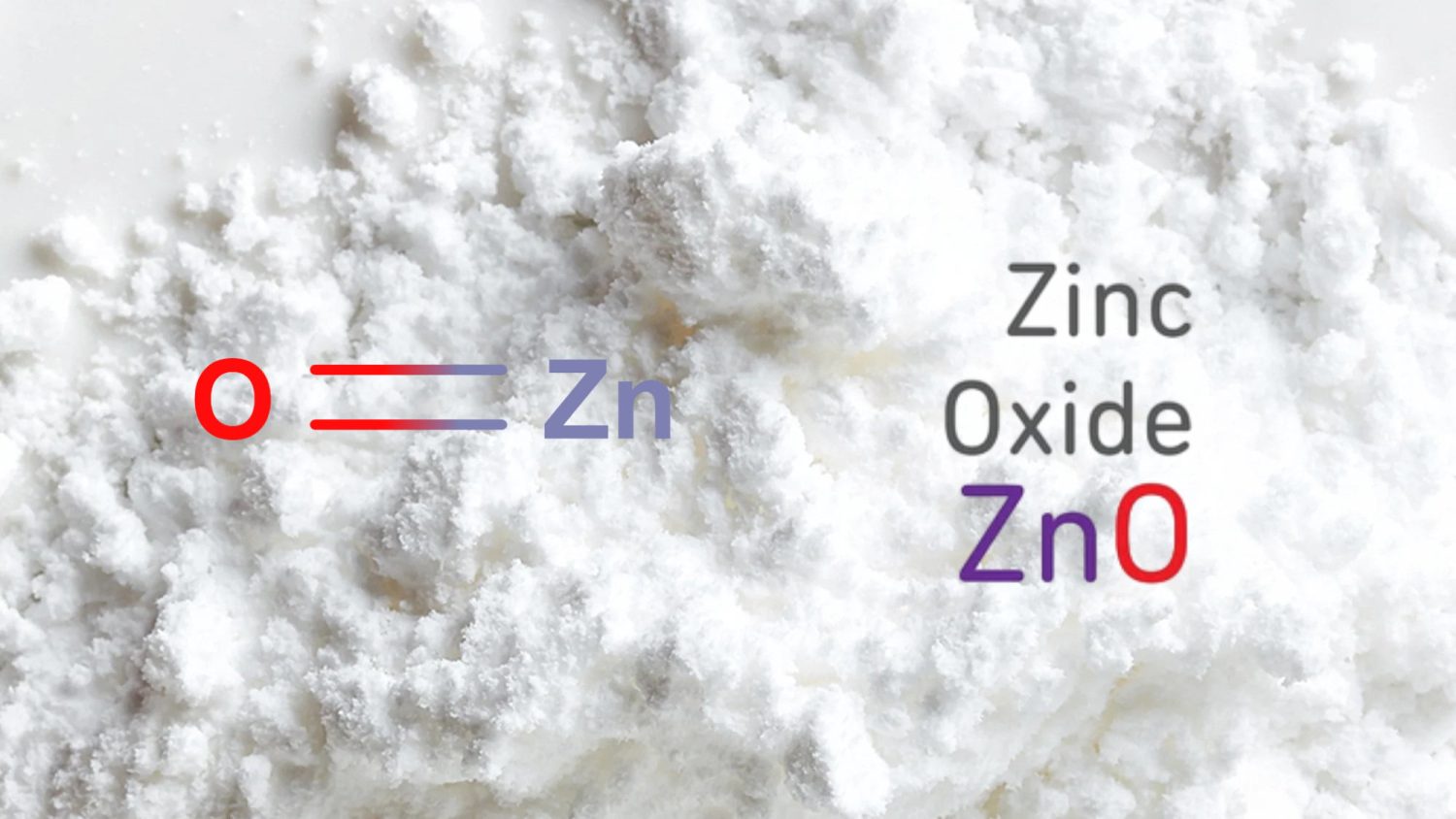
ZnO is another white, inorganic mineral. It is usually supplied as a fine powder. Zinc oxide is very good at blocking UV light, which is why it’s best known for its role in sunscreens and cosmetics. It’s even a source of the essential mineral zinc in dietary supplements. More recently, there’s growing interest in using it as an opacifier in capsule shells, though its optical profile isn’t quite the same as that of TiO₂.
Why Zinc Oxide Is Considered as an Opacifier in Capsules
Titanium dioxide may still be allowed in medicines, but more manufacturers are now looking for TiO₂-free capsules to meet growing demand for clean labels and to “future-proof” against any potential bans. And zinc oxide can be a good choice.
- Unlike TiO₂, zinc oxide contains zinc, which is an essential mineral. In the U.S., zinc oxide is listed as GRAS for some nutrient and dietary supplement uses when it is used under good manufacturing practice. However, this does not automatically mean the FDA has approved it as a capsule-shell opacifier. Its suitability still depends on the product type, use level, and target market.
- ZnO can also give capsules a white, opaque look. Though some industry sources admit it doesn’t block light as well as TiO₂, it’s still considered a safe and cost-effective alternative.
- Because zinc oxide is very heat-stable, it won’t degrade during capsule manufacturing or filling. Suppliers have formulated ZnO-containing shells that work fine on standard high-speed capsule filling machines.
- ZnO has not been banned like TiO2. It is viewed as a promising alternative in the EU market. Zinc oxide capsules may be suitable for markets that require “no TiO₂,” provided their use complies with the applicable local regulations.
Why ZnO Cannot Fully Replace TiO₂
ZnO is promising, but it is not a one-to-one replacement for titanium dioxide:
Opacity and whiteness. ZnO generally cannot give capsules the same whiteness as TiO₂. To achieve a similar level of whiteness with ZnO, a higher use level may be needed, or it may need to be combined with another whitening agent, such as calcium carbonate.
limited in color options. Pure zinc oxide only gives you white. If you want an opaque capsule in another color, you’d usually still need TiO2 as a base or other opaque pigments.
Particle size matters. Safety concerns about TiO₂ are often linked to nanoparticles. ZnO may also come under similar scrutiny. For capsule-grade zinc oxide, non-nano material is generally preferred. Make sure the zinc oxide you use has a suitable particle size and that this is supported by proper documentation.
Cost and limited acceptance. Zinc oxide is inexpensive, but a new capsule formulation may add cost. Because ZnO-based capsules are still less common, they may not be accepted as widely as TiO₂ shells in some markets.
Titanium Dioxide vs. Zinc Oxide: Which is Better
Titanium dioxide and zinc oxide can both make capsule shells white and help protect the contents from light. However, they cannot be used in place of each other in every formula. They differ in opacity, light-blocking ability, shell flexibility, regulatory approval status, and cost. The table below compares them from a practical capsule manufacturing perspective.
Head-to-Head Comparison: Titanium Dioxide vs Zinc Oxide
Let us put titanium dioxide capsules and zinc oxide capsules side by side.
| Titanium Dioxide | Zinc Oxide | Practical Takeaway | |
|---|---|---|---|
| Opacity & whiteness | * Very opaque and bright white | * Often needs higher doses or blends with other minerals to be super white and opaque |
* TiO₂ is still the benchmark. |
| Light protection | * Offers strong protection against visible and UV light | * Absorbs and scatters UV rays | * TiO₂ shields highly light-sensitive actives. |
| Compatibility with shell materials | * Widely used in gelatin and HPMC shells for a long time | * Can be used in gelatin and HPMC, but too much may cause inflexible shells |
* TiO₂ disperses well in gelatin and HPMC. |
| Product appearance |
* Clean and pharma white |
* White or off white, and fine granular | * TiO₂ is better at delivering the exact shade and custom brand color. |
| Regulation & safety |
* Banned as a food additive in the EU |
* Not banned like E171 in the EU |
* The search for TiO₂ alternatives is still ongoing. |
| Cost & supply |
* Supply chain for TiO₂ is mature |
* Widely available, but pharma-grade ZnO can vary in price |
* TiO₂ is often the cheapest way to make opaque capsules. |
| Best use cases | * Capsules that need very high opacity and strong light protection |
* Suitable for TiO₂-free capsule markets |
* Many portfolios will use TiO₂ for key lines and ZnO for selected SKUs. |
So, which one is better? It depends on the target market and what the product needs. If a capsule requires strong whiteness, good opacity, stable color, and light protection, titanium dioxide is still the stronger choice. But if a brand needs TiO₂-free capsules, zinc oxide can be a practical alternative, especially in markets where titanium dioxide is restricted or avoided. Still, zinc oxide often requires more careful formulation, especially at higher use levels.
Procurement Decision Steps: Titanium Dioxide vs. Zinc Oxide Capsules
Step 1: Is your product a drug, a dietary supplement, or a food product?
Different product categories follow different regulatory systems. The same capsule ingredient may be classified differently by product category. It may be treated as a pharmaceutical excipient, a food additive, or a dietary supplement ingredient. This can affect whether it is allowed and how much can be used. It may also affect labeling requirements and the compliance documents needed.
Step 2: Where will your product be sold?
Different markets may apply different classification standards to drugs, dietary supplements, and foods. Acceptance of the same excipient or color additive may also vary by market.
Titanium dioxide is a good example. In the EU, dietary supplements are generally regulated as foods. TiO₂, listed as food additive E171, is no longer permitted for use in foods. In the U.S., however, TiO₂ is still allowed in foods and drugs when used under the applicable regulatory conditions, including FDA limits. The U.S. has not adopted an EU-style ban on TiO₂ as a food additive. Therefore, buyers should determine whether a TiO₂-free option is needed based on the target market.
Step 3: Is the fill material highly light-sensitive?
If the fill material is highly sensitive to light, the capsule’s light-blocking performance becomes especially important. This is especially relevant for certain vitamins, active ingredients, and polyphenol-based ingredients. Titanium dioxide has long been widely used as an opacifier in capsule shells because it provides strong coverage and effective light scattering.
Step 4: Do you need strong light blocking, or just basic whitening and appearance?
Not all white or opaque capsules are designed for strong light protection. If your main goal is a whiter, more opaque capsule, zinc oxide may be worth considering. Other TiO₂-free options can also improve the capsule’s appearance.
Step 5: Will zinc oxide affect the formula, label, or regulatory limits?
If you are considering zinc oxide, first check whether it creates any added compliance issues. Because it contains zinc, some markets may require you to review daily zinc intake, label claims, or mineral source requirements. This should be confirmed before purchasing.
Step 6: Can the supplier provide full validation documents?
Whether you choose titanium dioxide or zinc oxide, price should not be the only factor. Before purchasing, ask the supplier for key documents, such as:
- HALAL: Halal Certified
- Vegan: Vegan Certified
- Kosher: Kosher Certified
- KBD: Kosher Certified by KBD
- USDA Organic: USDA Organic Certified
- GMP: GMP – Certified Facility
- ISO 9001:2015: ISO 9001:2015 Certified
- FDA: FDA Registered Facility
Notice
1. FDA facility registration only means the facility is registered with the FDA when required by law. It does not mean the FDA has certified, approved, or endorsed the product.
2. The certifications listed above are for reference only. Actual requirements may vary by product and market.
Step 7: Finally, compare cost, MOQ, and lead time.
After the regulatory, functional, and customer requirements are met, compare the commercial terms. These may include unit price, MOQ, lead time, batch-to-batch consistency, and long-term supply capability.
How a Supplier Can Support Your Capsule Choice
If you need hard capsules that fit your product, the steps above can help you make a clear decision. If you are still unsure, you can ask the supplier these questions one by one. Their answers will give you more clarity. This process also helps you judge how professional the supplier is. A good supplier understands both your product needs and the market, so they can offer better support.
Take Anxine as an example. The company uses premium titanium dioxide to make solid capsule shells that help protect light-sensitive products. It also offers gelatin and vegetarian clear capsules for customers who need transparent options. To meet changing market demand, Anxine has also developed TiO2-free capsules. These capsules still provide good opacity, stable UV protection, and smooth performance on high-speed filling machines. Keeping up with market needs is also a sign of a capable supplier.
Sources
- EFSA. Safety assessment of titanium dioxide E171 as a food additive. EFSA Journal, 2021.
https://www.efsa.europa.eu/en/efsajournal/pub/6585
- European Commission. Commission Regulation (EU) 2022/63 removing titanium dioxide (E171) from the list of permitted food additives.
https://eur-lex.europa.eu/eli/reg/2022/63/oj
- European Commission. Commission Staff Working Document on the use of titanium dioxide in medicinal products (SWD(2025) 244 final). Directorate-General for Health and Food Safety, 2025.
- U.S. FDA / eCFR. 21 CFR § 73.575 — Titanium dioxide.
https://www.ecfr.gov/current/title-21/section-73.575
- U.S. FDA / eCFR. 21 CFR § 73.1575 — Titanium dioxide for coloring drugs.


