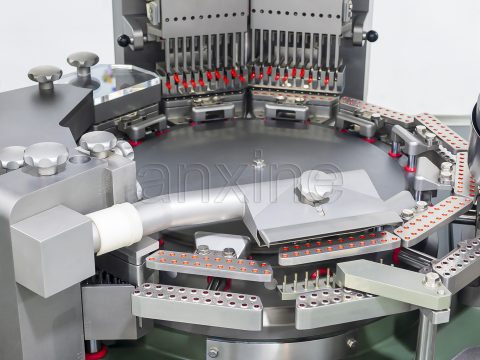
Looking to produce vitamin capsules? You’re in the right place! With demand for easy-to-take vitamins growing fast, many wonder exactly how they’re made.

This guide will answer your questions, covering everything from ingredients and methods to capsule types and their benefits.
What Are Vitamin Capsules?
Vitamin capsules are made from nutrients found in food, put into a small shell. They help make up for missing essential nutrients. Some common examples include vitamin E, vitamin C, and vitamin D capsules.
These capsules do more than just fill a nutritional gap. They also play a significant role in improving health and replenishing energy lost due to illness or poor diet. For example, according to the National Institutes of Health’
s information on vitamin D, this nutrient helps the body absorb calcium. It also supports muscle movement and helps nerves send messages between the brain and the body. The immune system also needs vitamin D to help defend the body against bacteria and viruses.
They’re also very easy to take. The capsule shell helps mask the bitter taste of the ingredients. Its smooth surface also makes it easier to swallow with water. But please note that swallowing capsules without water may cause them to get stuck in the esophagus, so it is not recommended. These capsules do more than just fill a nutritional gap. They also play a significant role in improving health and replenishing energy lost due to illness or poor diet. They’re also very easy to take. You can take them without water, and they won’t taste bitter.
How to Take Vitamin Capsules Safely
To use vitamin capsules safely, you should check the recommended dose and ingredients on the label first. Then use them at the suggested dose. Do not increase it on your own, and do not take too many supplements at the same time. This may lead to too much of certain nutrients. If you are taking medication, ask a doctor if it is safe to use them together. What’s more, people who are pregnant, breastfeeding, or have a medical condition should also ask a doctor first. Please note that vitamins can be used as a supplement to your daily diet, but they cannot be used to replace regular meals.
- Take the right dose
- Follow the dose listed on the product label, or take the amount your doctor recommends.
- Check the ingredient list
- Make sure you know what you are putting into your body.
- Do not take too many supplements at once
- Taking several supplements together may raise the risk of side effects.
- Watch for medication interactions
- Some supplements may affect the medicines you are taking, so be careful when using them together.
- Do not use vitamin capsules to replace a healthy diet
- Supplements can help, but they should not take the place of balanced meals.
- Ask a professional if you are in a special health group
- Pregnant women, breastfeeding mothers, and people with health conditions should talk to a doctor or healthcare professional before taking supplements.
What Are the Ingredients of Vitamin Capsules?
So, what are vitamin capsules made of? Making vitamin capsules requires a few key components. Here’s what they typically contain:
The Capsule Casing
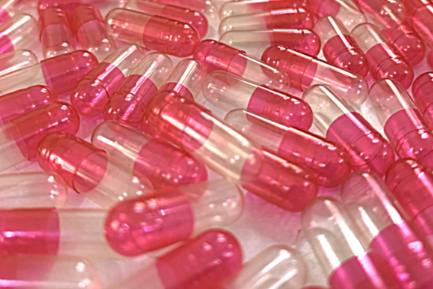
This is the main container for your vitamins. Capsule shells come in two parts – a cap and a body. You’ll find different types on the market, such as gelatin capsules (animal-derived) or HPMC and Pullulan capsules (plant-based).
Capsules also come in a range of sizes to suit various dosages. For human use, common sizes include 000, 00, 0, and smaller options down to size 5.
The Capsule’s Contents
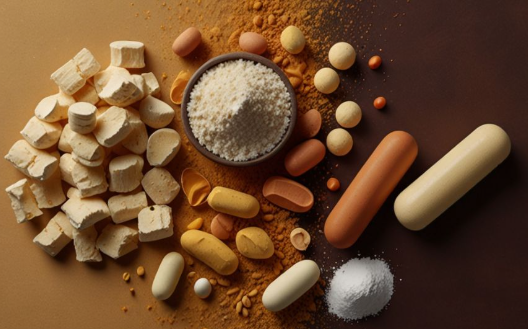
Inside the casing, you’ll find a mix of:
- Active Ingredients – These are the vitamins and nutrients that provide the health benefits. They often come from natural sources, such as elderberry or wheatgrass.
- Excipients (additives) – These are helper ingredients. They make sure the capsule is stable, is absorbed properly, or helps during manufacturing. Think of binders (to hold powders together) or disintegrants (to help it break apart).
This inner mix can take a few forms:
- Dry Solids – Most common forms are powders, granules, or tiny pellets, usually in hard capsules.
- Semi-Solids – Thicker mixtures, like suspensions or pastes.
- Liquids – Free-flowing liquids, often in soft capsules (like fish oil), are usually oil-based or low-water formulations.
How To Make Vitamin Capsules?
You can make vitamin capsules in two main ways: at home for small batches, or industrially with high-tech machines. Here’s a quick look at both.
The Home Way
If you want to make your own vitamin pills at home, it’s quite simple. Here’s how to do it:
- Prepare Your Mix
- Gather and carefully blend your vitamin ingredients, capsule shells, and additives.
- Open Empty Capsules
- Separate empty capsule caps from their bodies.
- Place Bodies
- Load the capsule bodies into your capsule maker’s frame.
- Fill Capsules
- Pour your mix over the frame. Use a spreader card to fill all the capsules. Gently tamp down the powder for a compact fill.
- Close Capsules
- Place the capping plate and press firmly to seal the capsules. They’re now ready!
How to Check Home-Made Capsules
- For homemade capsules, it’s limited in quality testing, but it is still important. There are some simple steps to check the capsules.
- Check the appearance: if they are cracked, damaged, leaking powder, or out of shape.
- Check if the capsule cap and body are closed well.
- Check fill consistency: use a precision scale to see whether their weights are within an acceptable range.
- Check the storage conditions: check if the package is sealed. Store the capsules in a dry place away from direct sunlight.
Note: Filling capsules at home is only suitable for simple, low-risk supplements. It is not recommended for high-dose or complex vitamin formulas, and it should not be used for products made for sale.
The Industrial Way
Large-scale capsule production uses automated processes:
- Mixture Preparation
- It is similar to the home method. First, gather and prepare all the ingredients needed to create your vitamin formula.
- Load Materials
- The vitamin mix goes into one machine hopper, empty capsules into another.
- Align and Separate Capsules
- The machine automatically aligns capsules, then separates caps from bodies using vacuum.
- Fill Mix
- It precisely measures and dispenses the mix into each open capsule body.
- Lock Capsules
- The machine securely locks the filled capsule bodies and caps together.
- Eject Capsules
- Finally, a push rod releases the finished, locked capsules. Then, the capsules are collected in a container. This process is ready for the next stage of packaging.
How to Check Industrially Produced Capsules
Industrial capsule production requires more complete and standardized quality control. These checks help make sure each batch is safe, consistent, and meets product standards.
- Appearance check
- Weight variation check
- Content uniformity test
- Disintegration or dissolution test
- Microbial testing
- Heavy metal and contaminant testing
- Batch records and traceability
Tips for Making Vitamin Capsules Safely
The two methods above only explain the basic process of how to make gel caps. In real use or production, you should also follow the proper safety guidelines. The following precautions for making vitamin capsules at home are based on information from the NIH Office of Dietary Supplements.
- Know the vitamin ingredients and reasonable intake dose
- The intake of vitamins should be reasonable. More is not always better. What’s more, the reasonable dose can vary from person to person.
- Measure the dose accurately
- Manual estimation can lead to inaccurate dosages. So, use measuring tools to ensure the correct amount of ingredients.
- Avoid medication interactions
- If you are taking any medicines, ask your doctor before taking vitamin supplements. They may affect the effects of each other.
- Use reliable ingredients
- Buy vitamin ingredients from authorized retailers.
- Keep the tools and equipment clean
- No matter whether you make the vitamins with hand tools or a capsule filling machine, keep them clean and prevent contamination.
- Label the production date
- Accurate date records help you avoid using capsules that have been stored for too long.
- Store them properly
- Both the ingredients and the final products should be stored in a cool, dry place away from light.
What Equipment Is Used to Manufacture Vitamin Capsules?
To understand how to make capsules, you need the right equipment. This is true whether you’re making them in a large factory or a small home. Here are the key machines involved:
Capsule Filling Machine (for Hard Gel)

A capsule filling machine fills hard gelatin capsules with powders or granules. It automates the entire process, from separating capsule halves to accurate filling, secure locking, and ejecting the finished product.
Softgel Maker
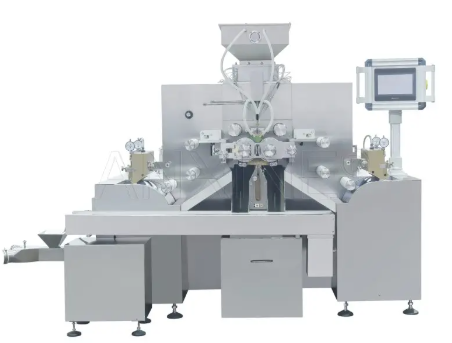
This softgel encapsulation machine works with molten gelatin to make vitamin capsules (like Omega-3). It accurately encloses liquid vitamin formulas within soft shells, which are then sealed, often with the help of cooling and forming systems.
Manual Capsule Filler
Ideal for home production or very small batches, this compact tool lets you manually fill capsules. It requires no electricity or complex upkeep.
Ingredient Scale
This tool is necessary to measure ingredients precisely so you can ensure consistent vitamin formulas.
Powder Mixing Machine
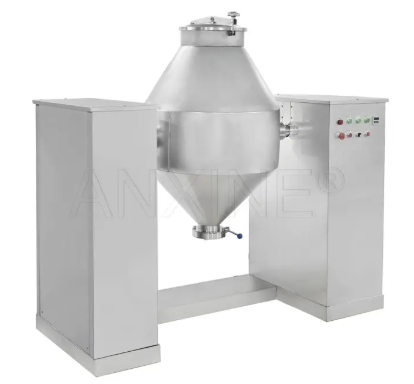
Powder mixing equipment is important for mixing powders or granules. It mixes the ingredients well, making a smooth, even mixture for each capsule. Some common ones are cone mixers.
Capsule Polisher

After filling, the capsule polisher cleans and sorts them. It gently removes any powder residue for a professional look and helps identify imperfections, ensuring hygienic and safe handling of the final product.
What Should You Consider When Creating Vitamin Capsules?
When making vitamin capsules and understanding how vitamin pills are made, there are a few key things to keep in mind for success. Here are some things to think about:
Production Setting
The place where you make vitamin capsules is very important. It needs to be clean, dry, and cool. Vitamin capsules can be delicate and easily contaminated by the environment. This makes a controlled setting essential for their safe manufacturing.
Product Standards
Commercial production must follow local dietary supplement laws, GMP standards, labeling rules, and quality testing requirements. Home preparation is not a substitute for compliant manufacturing.
Ingredient Proportions
It’s crucial to have the right measurements for each part when we’re making them. It’s also important to make sure that all the ingredients can be used together safely and won’t cause problems over time.
The Bottom Line
We hope this guide has answered your questions on how to make vitamin capsules! To make something successfully, you need to understand the essential ingredients, know the right equipment, and follow proper methods.
If you want to know more about vitamin capsules or the machines involved, Anxine invites you to learn more. You can also visit our website to learn more.
Reference
1. National Institutes of Health (NIH), Office of Dietary Supplements. Vitamin D Fact Sheet for Consumers.
2. National Institutes of Health (NIH), Office of Dietary Supplements. Dietary Supplements: What You Need to Know.