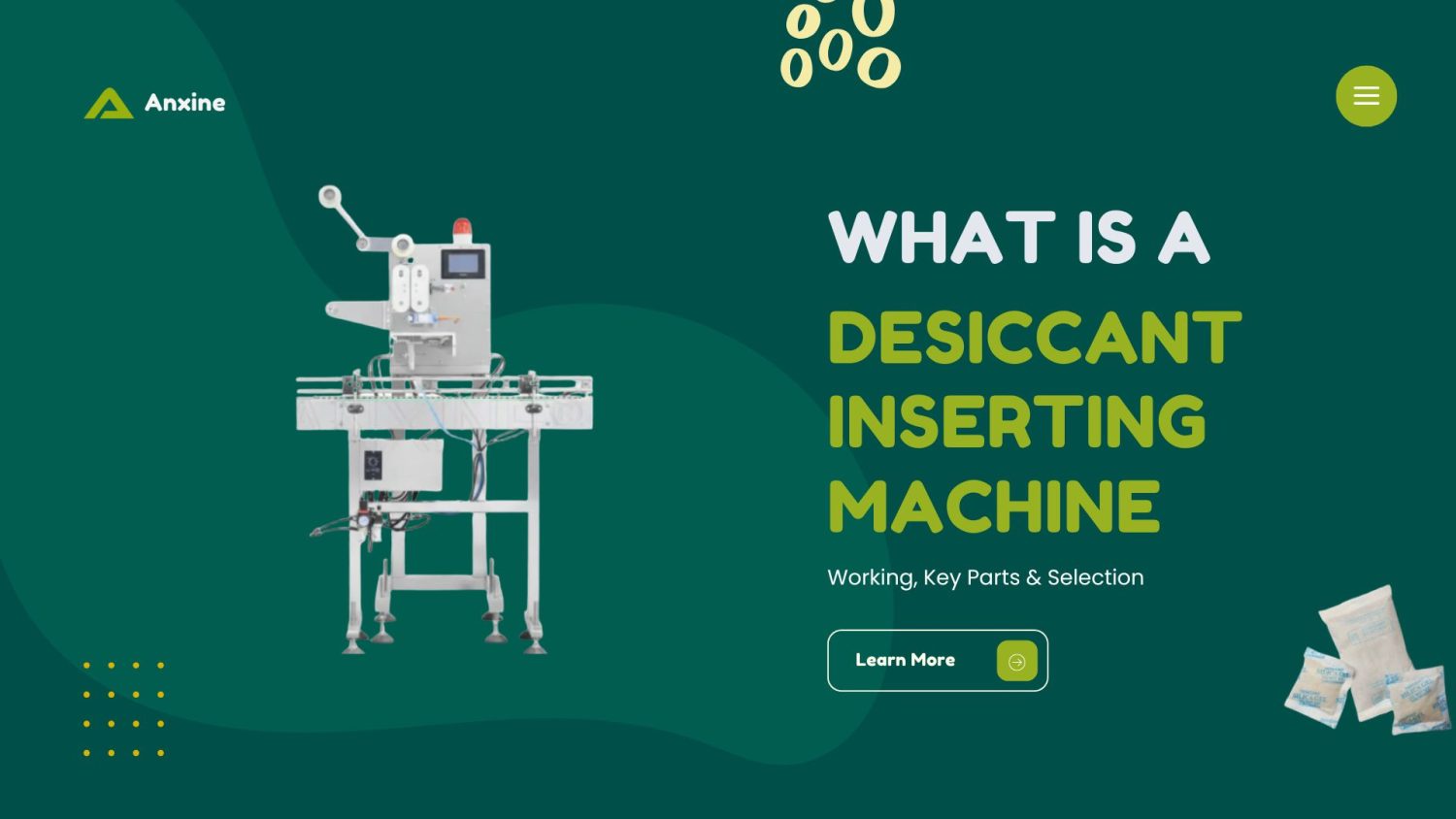
Moisture is one of the most common causes of product damage. It can affect tablets, capsules, supplements, electronic components, and many other moisture-sensitive items. So, desiccant inserting machines are always required. It helps manufacturers put different desiccant forms into the package like bottles. Compared to human insertion, the production quality and efficiency are improved a lot.
What Is A Desiccant Inserting Machine?
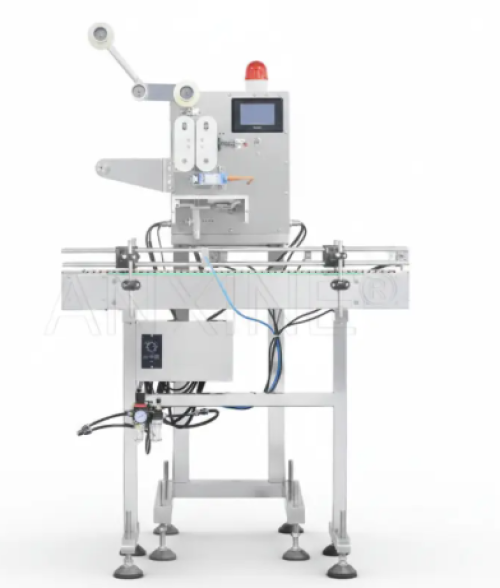
A desiccant inserting machine is a type of packaging equipment used to place desiccants into different containers. Common containers include bottles, boxes, jars, cans, etc. The inserting machine also supports placing many types of desiccants, such as desiccant packets, canisters, stoppers, sheets, cards, etc.
The desiccant inserting machine always works as part of a production line. When the bottles finish filling, the machine drops one desiccant into each bottle before sealing. Because of the integration requirement, fully automatic models are more popular.
Benefits of Desiccant Inserting Machines
- Stable and consistent quality. Each bottle receives one desiccant. This reduces mistakes and keeps the process more consistent.
- Faster production speed. The machine inserts desiccants automatically. This process is faster than manual work and supports continuous production.
- Improved hygiene level. The process reduces direct human contact with products. This improves cleanliness in packaging.
- Better product protection. Desiccants control moisture inside the container. This protects tablets, capsules, and other moisture-sensitive products from damage.
Applications of Desiccant Inserting Machines
Desiccant inserting machines are used in industries where moisture control is important.
- Pharmaceutical industry. Many pharmaceutical products are sensitive to moisture. Desiccants protect tablets, capsules, and powders during storage and transportation.
- Nutraceutical and supplement areas. Vitamins, minerals, gummies, and dietary supplements can absorb moisture from the air. Desiccants maintain product stability and reduce the risk of clumping or degradation.
- Food. Products such as dried foods, snacks, spices, and coffee often require moisture protection. Desiccants help preserve freshness and extend shelf life.
- Chemical production. Some chemicals and industrial materials may react with moisture. Desiccants maintain product quality and prevent unwanted changes during storage.
How Does the Desiccant Inserting Equipment Work?
A desiccant inserting machine automatically feeds, cuts, and inserts desiccants into bottles. Most roll-fed desiccant inserters follow the working process below.
Step 1: Bottle Positioning
At first, empty or filled bottles enter the machine through a conveyor. A bottle-separating mechanism controls the bottle flow and positions each bottle. The bottle opening is aligned with the insertion point to ensure accurate desiccant placement.
Step 2: Desiccant Feeding
Then, desiccant material is provided from a desiccant roll. A stepper motor pulls the desiccant strip from the roll. It moves the desiccant material toward the cutting station at a speed you require.
Step 3: Desiccant Length Detection
Next, a sensor detects the desiccant material and monitors the feeding length. The control system ensures that the correct amount of material is delivered for each insertion cycle.
Step 4: Desiccant Cutting
Once the preset length is reached, the cutter separates one desiccant unit from the continuous roll. Accurate cutting maintains consistent desiccant size and insertion performance.
Step 5: Desiccant Insertion
After cutting, the desiccant drops directly into the positioned bottle. The insertion process is synchronized with the bottle handling system. It helps that one desiccant is inserted into each bottle.
Step 6: Discharge
Finally, the finished bottles are discharged. The conveyor transfers the bottles to the next packaging stage. The machine continuously repeats the whole process.
Here is a video to show you how the desiccant inserting equipment works.
What Are the Common Parts of Desiccant Inserting Machines?
Although many types are available, most desiccant inserting machines contain similar core components.
Bottle Positioning Mechanism
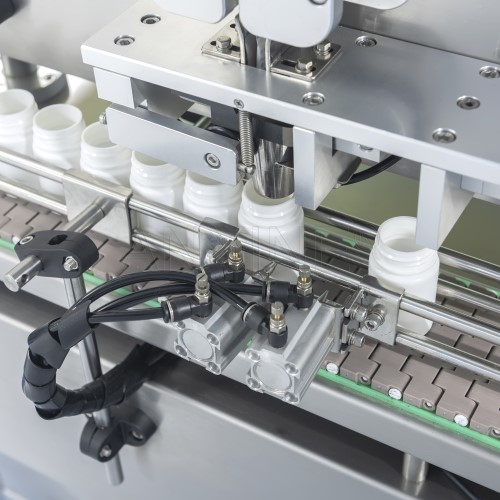
With this mechanism, each bottle stops at the correct location before insertion. Depending on the machine design, this system may include bottle-stop cylinders, star wheels, guide rails, or bottle-separating devices. Bottle guides and positioning components could be adjusted to suit different bottle diameters and heights.
Conveyor Belt
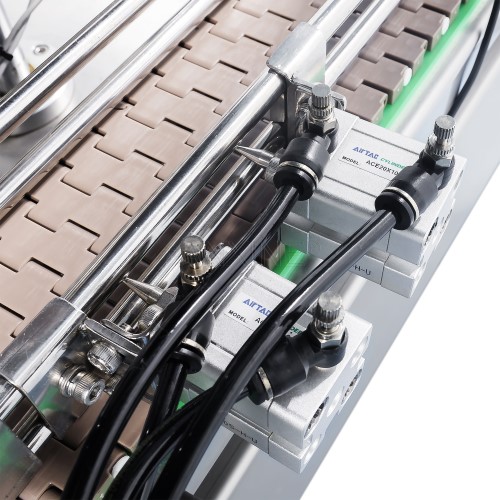
This part is used to transport bottles and deliver them to the different stations. The speed can normally be adjusted to match other processing equipment. Most conveyor belts are made of stainless steel for safe use.
Material Feeding Systems
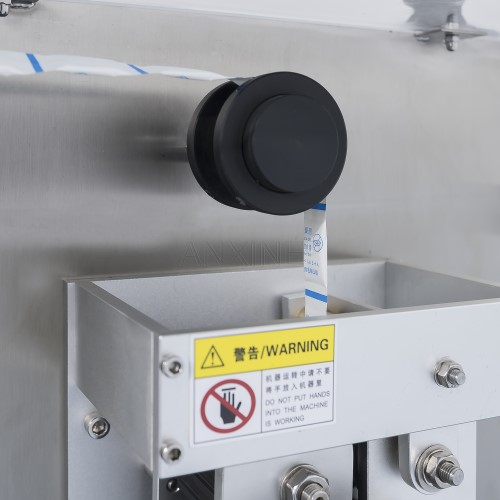
This part separates materials and delivers them one at a time for the insertion process. Different machines use different feeding methods. For example, the XDI-160 type uses roll-fed desiccant delivery systems. Other models may use material feeding wheels and guide tubes. Components in contact with the material are commonly made from stainless steel or food-grade engineering plastics.
Insertion Part
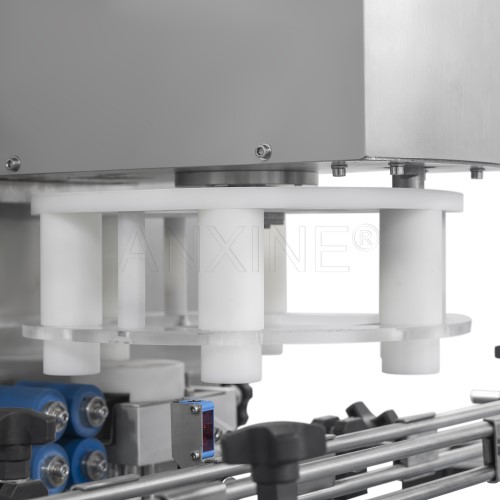
The part works after the bottle and material have reached the correct positions. It directly affects insertion accuracy and production stability. Based on different designs, insertion may be completed through gravity feeding, guide tubes, push rods, pneumatic cylinders, or servo-driven mechanisms. The insertion head can often be customized for different bottle openings and material sizes.
Cutting Part
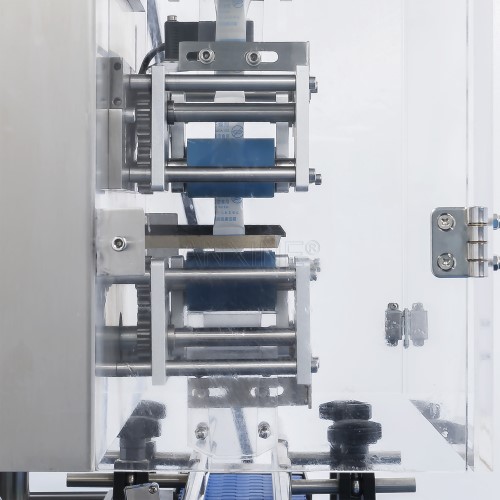
Many inserting machines contain a cutting mechanism to get the complete desiccants. It is commonly applied in desiccant and cotton inserting machines that use continuous rolls or strips of material. After the material reaches the required length, the cutter cuts it into individual pieces for insertion. Cutting blades are typically manufactured from hardened tool steel or stainless steel. They support long-term use and consistent cutting performance.
Sensors
Sensors monitor key machine functions throughout the production process. They are installed at multiple locations, including bottle detection points, feeding stations, cutting sections, and insertion positions. Common sensor functions include the following:
- Bottle detection.
- Material detection.
- Length control.
- Position monitoring.
- Jam detection.
The sensors reduce insertion errors and support smooth machine operation. Photoelectric sensors from brands such as SICK, Omron, or Keyence are commonly used in high-speed machines.
Control System
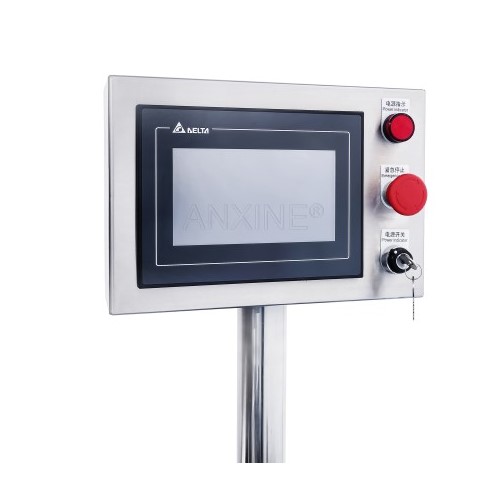
It coordinates all machine operations. Most desiccant inserting equipment uses PLC controllers combined with HMI touchscreens. You can use the touchscreen to handle the feeding speed, insertion timing, and other parameters. You can also monitor the operation process through the panel. If anything abnormal happens, you can find it and stop the machine in time. Moreover, optional functions are included. It supports production data storage, recipe management, password protection, etc.
How to Maintain a Desiccant Inserting Machine?
Regular maintenance keeps the equipment running smoothly and reduces downtime. It also improves insertion accuracy and extends the shelf life.
Clean the Machine Regularly
Dust, desiccant particles, and packaging debris can accumulate during production. They need to be wipe out for normal production. You can clean the machine surfaces, conveyor, feeding system, and insertion area after each production shift. Moreover, you’d better pay special attention to the desiccant feeding path and insertion chute. Material buildup in these areas may cause feeding errors or blockages.
Inspect the Cutting Mechanism
The cutting unit is one of the most important parts of a roll-fed desiccant inserter. It is necessary to check the cutting blade regularly for wear, damage, or dull edges. A worn blade may cause incomplete cuts, irregular desiccant lengths, or insertion failures. If you find that cutting quality begins to decline, it is time to replace the blade.
Other parts, like the feeding system and sensors, also require regular checks. Feeding problems can lead to material jams or missed insertions.
Lubricate the Moving Parts
Key parts, such as bearings, guide rails, and chains, need lubrication to keep running smoothly. You need to use the recommended lubricant and avoid excessive lubrication. Because excess oil may attract dust and contaminate the machine.
Keep Maintenance Records
It is necessary to record inspections, lubrication schedules, and component replacements. If problems occur, the record helps you identify the cause quickly and solve it in time. In addition, a clear record helps you know the recurring issues and take measures in advance.
How to Choose a Suitable Desiccant Inserting Machine?
There are many factors that need to be considered when you select one for desiccant insertion.
Desiccant Type
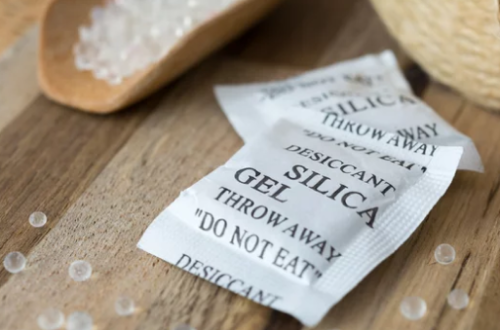
The desiccant type is one of the first factors to consider. Different machines handle their specific desiccant formats. Some machines handle desiccant bags supplied in rolls, while others work with desiccant canisters. A mismatch between the machine and the desiccant may cause feeding problems or production delay. You should confirm desiccant specifications before selecting a machine.
Production Capacity
The capacity is highly related to the business scale. A small supplement company may only require 30 to 50 bottles per minute. On the other hand, a large pharmaceutical factory may need more than 200 bottles per minute. A machine with insufficient capacity can create production bottlenecks. If it has excessive capacity, it may increase investment costs without practical benefits. Take the XDI-1 automatic inserting machine, for example. It handles 80-160 bottles/min, ideal for small to medium business scales. Therefore, you should have a clear understanding of the required output and the production volume that the machine could handle.
Quick Changeover
Bottle dimensions affect machine compatibility. If you need to change the bottle sizes frequently during the operation, an easy and quick changeover is important. It reduces production time and improves efficiency. Also, you need to confirm the adjustment range that the desiccant inserting equipment can handle.
Smooth Integration
Production line configuration should be evaluated before purchasing. Most manufacturers connect desiccant inserters with bottle unscramblers, filling machines, capping machines, and labeling equipment. A machine with good integration ability can simplify installation and improve efficiency. For fully automated packaging lines, signal compatibility is especially important. Because the desiccant inserter must synchronize with upstream and downstream equipment. Before purchasing, you need to confirm
- Whether the machine supports common PLC communication protocols, such as Siemens and Mitsubishi.
- Whether it can receive and transmit standard I/O signals.
- Whether the machine can be integrated with and controlled by the existing production line.
Compliance Requirements

Different industries and markets often pose different compliance requirements. If you are a pharmaceutical manufacturer, GMP compliance is a must. Food and nutraceutical manufacturers may need equipment that meets food safety requirements. Material safety, cleaning procedures, and contamination control are common concerns during equipment evaluation.
A related certification is also needed. Take CE certification, for example. It is often required for equipment sold in the European market. Some manufacturers may also request documentation related to electrical safety and machine safety standards.
The End
As packaging automation continues to develop, desiccant inserting machines play an increasingly important role. If you are interested in this equipment and want to know which suits your business, contact us freely.


