If you’re making or selling capsules, you really need to know the role of an opacifier in your formulation. Titanium dioxide has been the most popular capsule opacifier for decades. But things changed when the EU banned it as a food additive in 2022.
Many capsule manufacturers want to know: “Is titanium dioxide still allowed in capsules?” and “Should we move to TiO₂-free options like zinc oxide?”
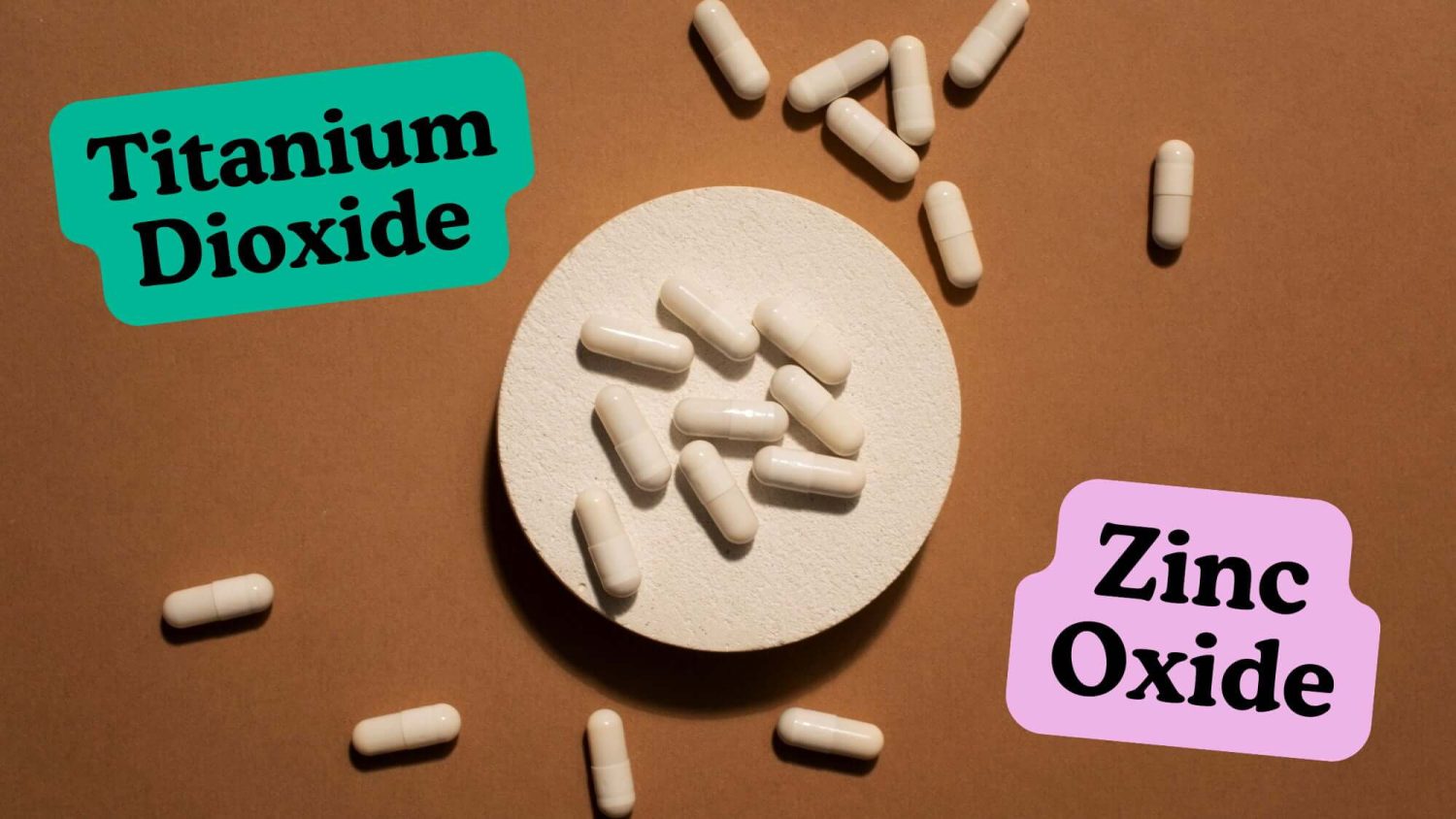
In this post, we will look at what titanium dioxide or zinc oxide can actually do in capsules. We’ll compare the two so you can decide which one fits your product best. Plus, you can get the most up-to-date rules around using these opacifiers.
What Is an Opacifier in Capsules?
Gelatin and plant-based capsule shells are naturally transparent. That means UV light can pass through easily. It is a problem for actives that are sensitive to light. To protect the fillings, the capsule shell needs to be opaque. That’s where an opacifier comes in.
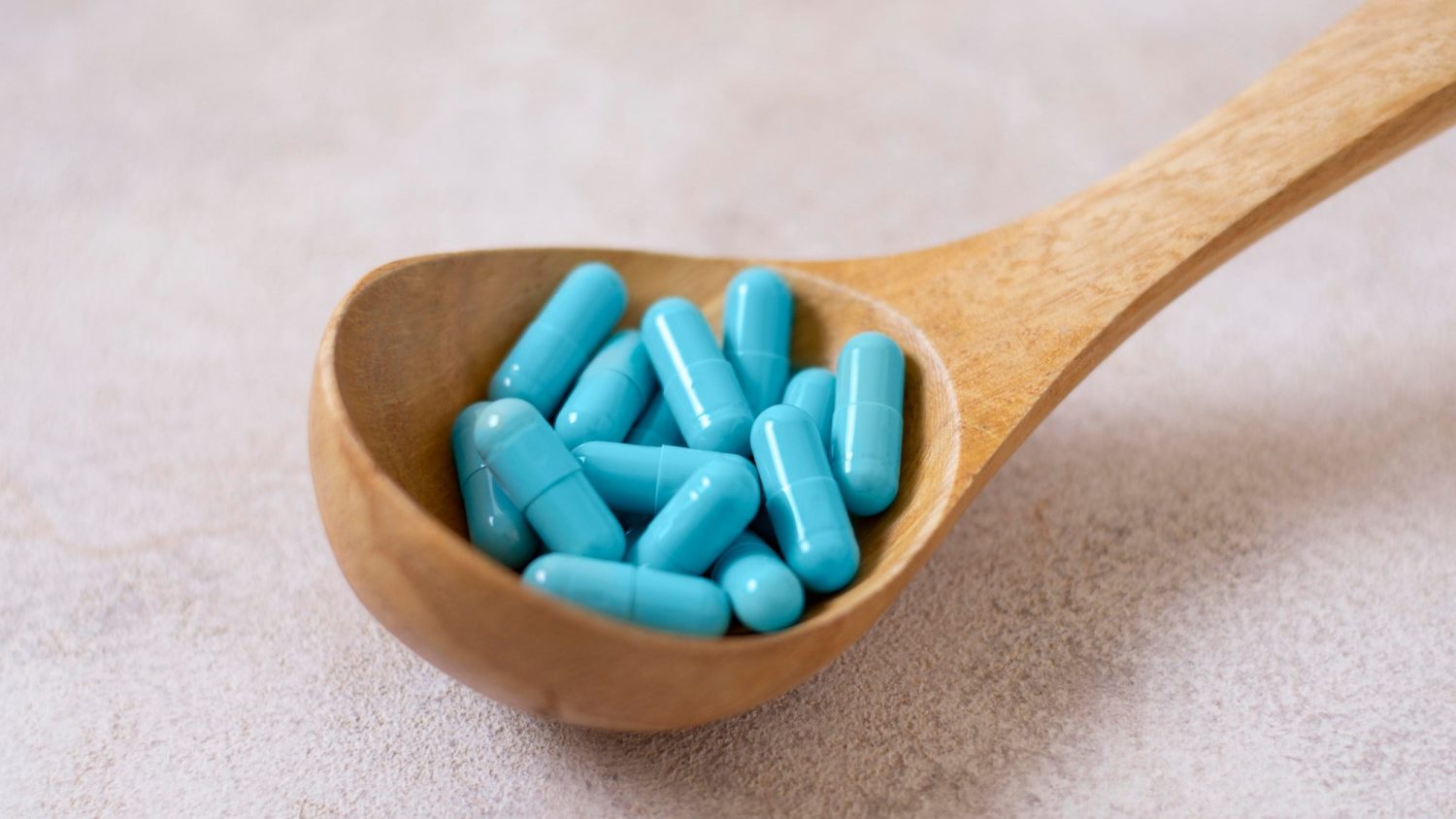
An opacifier is a substance blended into the capsule shell material to make it non-transparent. It’s made of countless tiny particles that scatter and reflect visible and UV light. These particles also enhance the capsule color.
Most opaque capsules you see in the market are white or colored. Besides shielding light-sensitive ingredients, they also give your products a uniform look by hiding any unattractive colors or speckles from the powders or granules inside.
Today, the most common opacifiers for capsule shells are titanium dioxide (TiO₂), zinc oxide (ZnO), and calcium carbonate (CaCO₃). But our focus here will be on the two main contenders: TiO₂ versus ZnO.
Titanium Dioxide in Capsules
What Is Titanium Dioxide?
Titanium dioxide (TiO₂) is a white pigment that occurs naturally as the minerals rutile and anatase. After processing, this inorganic compound turns into an ultra-white, very fine powder.
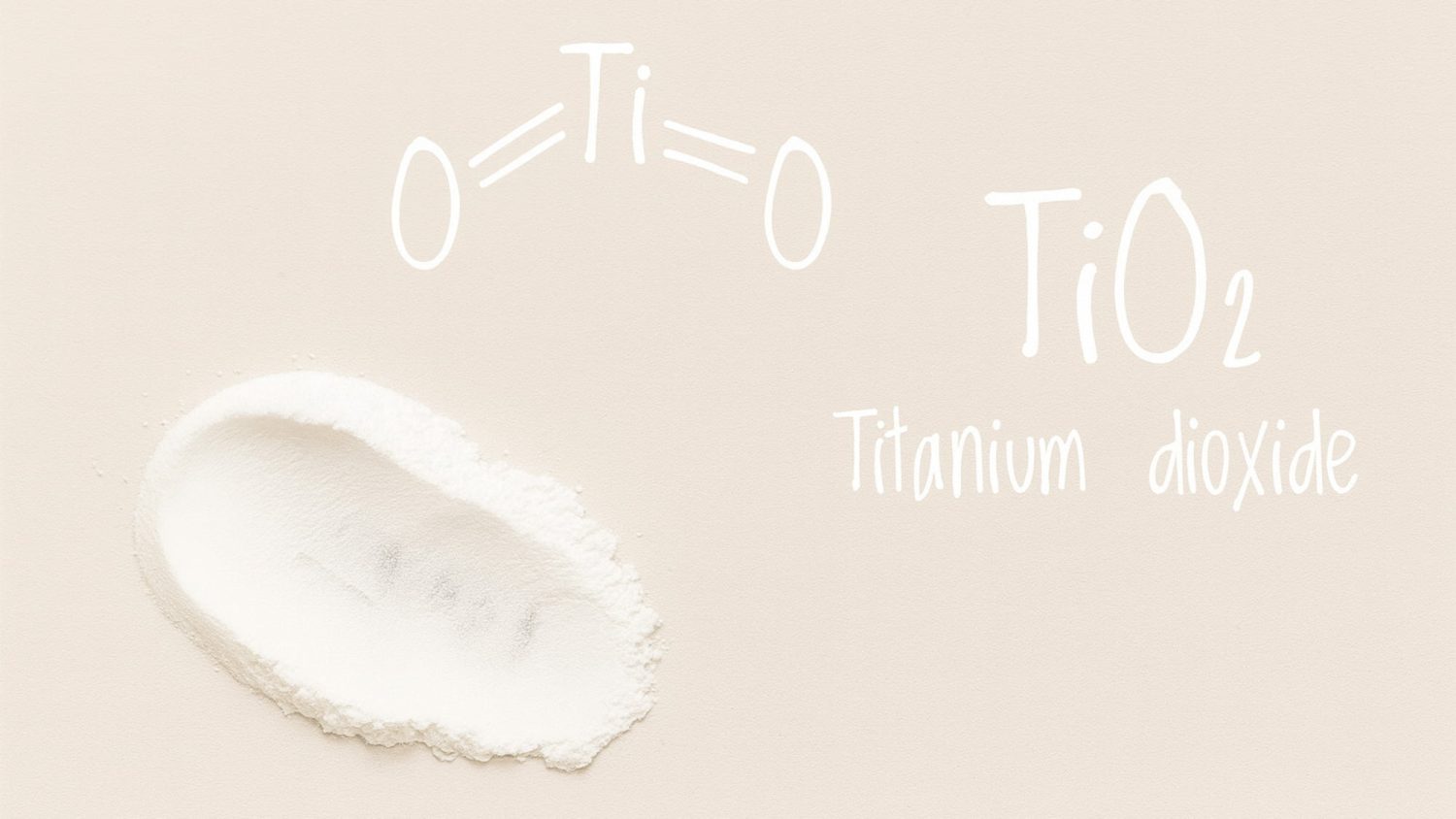
TiO₂ is the most widely used modern pigment because it has a very high refractive index and strong light-scattering power. Just a small amount can make a capsule shell solid white and effectively block UV light.
Why Titanium Dioxide Became the Go-To Capsule Opacifier
The FDA approved titanium dioxide as a food additive in 1966. That quickly made it common in pharmaceutical applications as well. It has been part of capsule shells for more than half a century. Why is it so well received in the industry? Let’s dig into the reasons:
- The high refractive index gives TiO₂ brilliant whiteness and opacity. Even with a low dose, you can get a clean, opaque white capsule.
- TiO₂ is effective at scattering and absorbing UV-A and UV-B rays. This helps protect light-sensitive active ingredients.
- TiO₂ is chemically stable and doesn’t react with other ingredients, so it disperses well in capsule shell materials like gelatin or HPMC.
- Cost is probably one of your biggest concerns. The good news is that TiO₂ is widely produced, relatively inexpensive, and easy to source in high quality. On top of that, supply chains for pharmaceutical-grade TiO₂ are already well-established and reliable.
- For a long time, this opacifier was accepted in the pharmaceutical industry. In Europe alone, over 91,000 human medicinal products include TiO₂..
Where Titanium Dioxide in Capsules Stands Today
In 2021, the European Food Safety Authority (EFSA) reviewed titanium dioxide as a food additive. Because TiO2 can build up in the body, they said they could no longer rule out a possible risk of DNA damage. Based on this, the EU decided that, from early 2022, TiO₂ is “no longer considered safe” to use in food. That includes dietary supplements, since they’re treated as food in Europe.

The ban naturally made many manufacturers worry about its use in medicines. In the EU, however, pharmaceuticals weren’t included right away because regulators were concerned about possible drug shortages. In 2025, the European Commission confirmed that, since there’s still no good replacement, TiO₂ can continue to be used in medicines for now. So at this point, titanium dioxide is still allowed in pharmaceuticals simply because there’s no perfect alternative yet.
How About Zinc Oxide Capsules
What Is Zinc Oxide?
Even though we don’t have a perfect substitute for titanium dioxide right now, there are some good stand-ins. Zinc Oxide (ZnO) is definitely one of them.
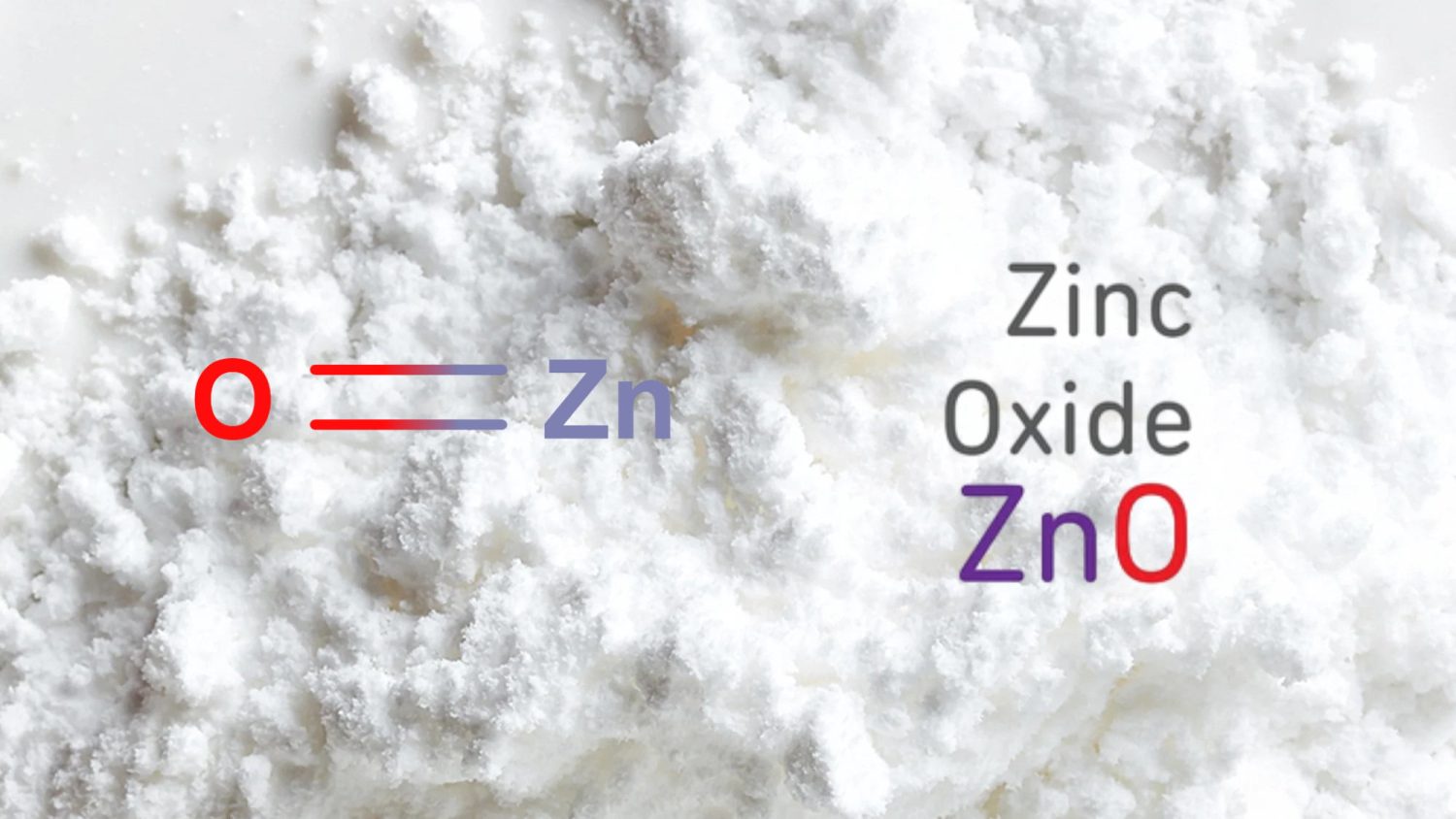
ZnO is another white, inorganic mineral. It is usually supplied as a fine powder. Zinc oxide is very good at blocking UV light, which is why it’s best known for its role in sunscreens and cosmetics. It’s even a source of the essential mineral zinc in dietary supplements. More recently, there’s growing interest in using it as an opacifier in capsule shells, though its optical profile isn’t quite the same as that of TiO₂.
Why Zinc Oxide Is Considered as an Opacifier in Capsules
Titanium dioxide may still be allowed in medicines, but more manufacturers are now looking for TiO₂-free capsules to meet growing demand for clean labels and to “future-proof” against any potential bans. And zinc oxide can be a good choice.
- Zinc oxide, unlike TiO₂, is also a nutrient. It’s basically zinc, an essential mineral. So, it’s generally recognized as safe to be a capsule opacifier by the FDA.
- ZnO can also give capsules a white, opaque look. Though some industry sources admit it doesn’t block light as well as TiO₂, it’s still considered a safe and cost-effective alternative.
- Because zinc oxide is very heat-stable, it won’t degrade during capsule manufacturing or filling. Suppliers have formulated ZnO-containing shells that work fine on standard high-speed capsule filling machines.
- ZnO has not been banned like TiO₂.. It is viewed as a promising alternative in the EU market. Zinc oxide capsules can be sold in places that demand “no TiO₂.”
Limitations and Considerations with ZnO
Zinc oxide is promising, but it is not a one-to-one replacement for titanium dioxide:
Opacity and whiteness. ZnO typically does not reach that bright whiteness as TiO₂. You might need to use a bit more or combine it with other whitening agents like calcium carbonate.
Limited color range. Pure zinc oxide only gives you white. If you want an opaque capsule in another color, you’d usually still need TiO₂ as a base or other opaque pigments.
Particle size matters. Safety concerns about TiO₂ focus on nanoparticles, and the same goes for ZnO. Capsule-grade zinc oxide should be non-nano. Make sure the zinc oxide you use has a safe particle size.
Cost and limited acceptance. Zinc oxide is inexpensive. But using a new capsule formulation can add costs. And because ZnO-based capsules are still less common, they may not be as widely accepted as TiO₂ shells in every market.
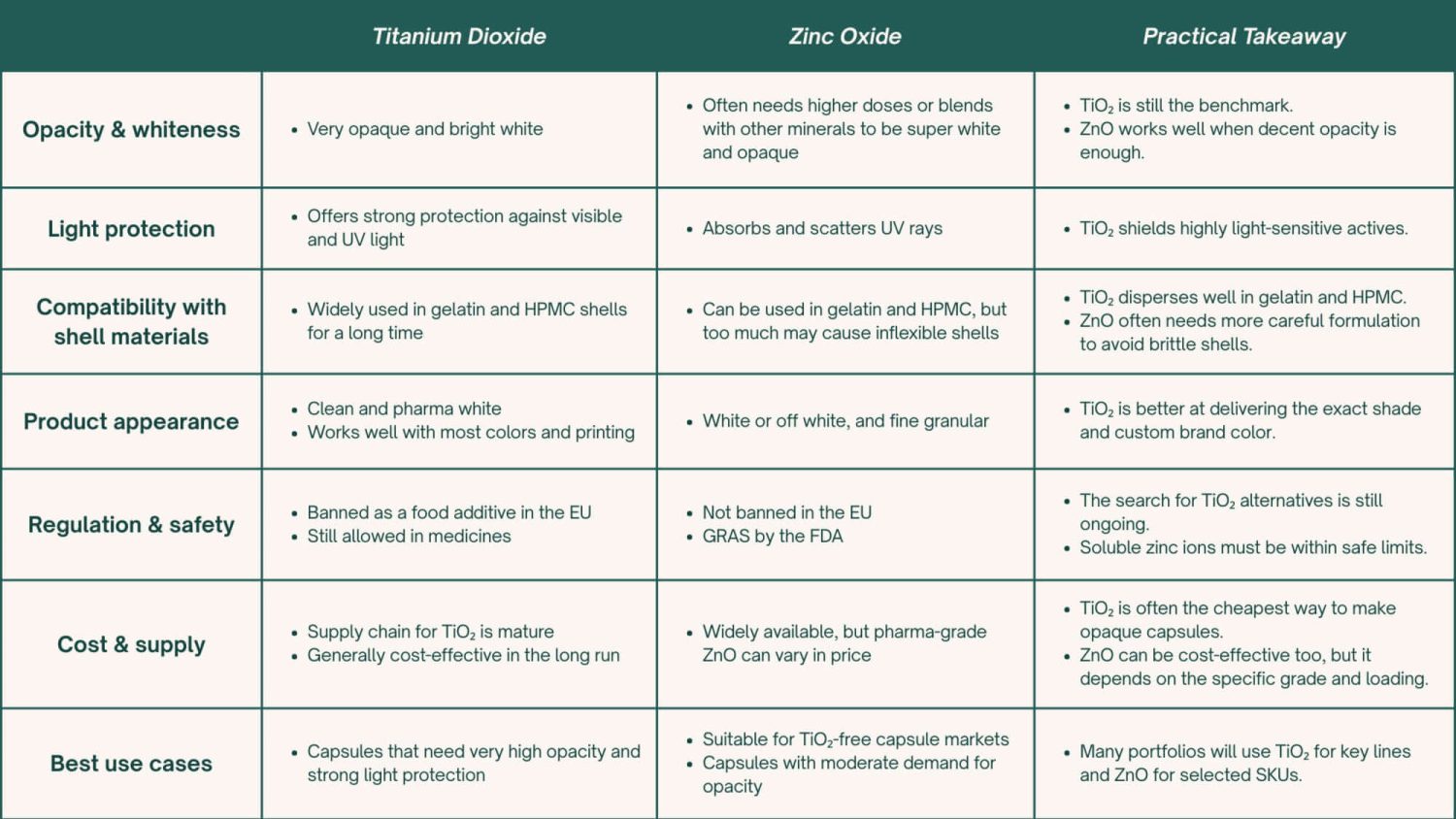
Head-to-Head Comparison: Titanium Dioxide vs Zinc Oxide
Let us put titanium dioxide capsules and zinc oxide capsules side by side.
How Anxine Can Support Your Capsule Choice
All of Anxine’s opaque capsules rely on well-established tech to give you high opacity and UV protection. We use premium titanium dioxide to create solid shells to safeguard your light-sensitive products. Prefer clear capsules instead? We’ve got both gelatin and vegetarian versions for that too.
TiO₂-free capsules are also one of Anxine’s signature products. If you want cleaner labels, our Nano Zinc Oxide capsules are a strong alternative to traditional titanium dioxide options. You still get great opacity, solid UV blocking, and smooth performance on high-speed capsule filling machines.
Talk to our team today!