What Are Pharmaceutical Blister Packaging Materials?
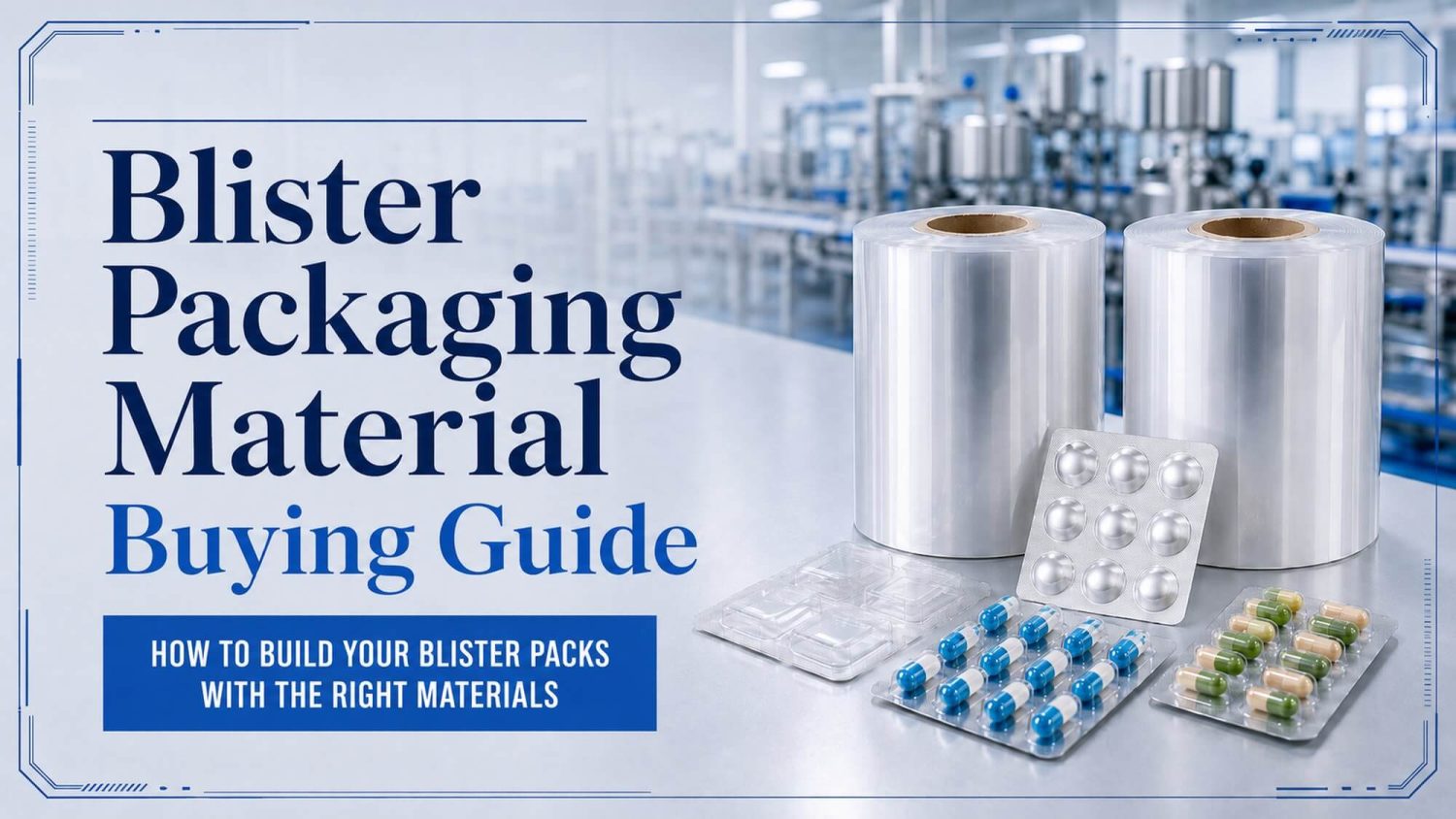
Pharmaceutical blister packaging materials are the forming web and lidding used to build each pack. The forming web creates the pocket. The lidding closes it. They turn into blister packaging to protect the dose and control how the pack opens. Tablets and capsules are the most common products. The same format can hold lozenges or other unit doses.
QUICK ANSWER: PVC and aluminum foil are the most common blister pack materials. The combination is easy to form and suits stable dosage forms. For more sensitive products, PVdC-coated PVC is a more protective forming film. PCTFE gives stronger moisture protection without hiding the dose. Opaque Alu-Alu blocks light and provides the highest overall barrier.
Main Forming Material Comparison
| Material | Visual Clarity | Process | Relative barrier | Best fit | Watch-outs |
|---|---|---|---|---|---|
| PVC | Transparent | Thermoform | Basic | Stable products with modest protection needs. | Poor protection for moisture-sensitive medicine. |
| PVC/PVdC | Transparent | Thermoform | Medium to high | Products needing a moderate barrier upgrade. | May release acid gas when overheated. |
| PVC/PCTFE | High transparent | Thermoform | High to very high moisture barrier | Moisture-sensitive products that require clear blisters. | Blister pocket corners can become too thin during forming. |
| Cold-form aluminum | Opaque | Cold form | Very high | Sensitive or high-value products that need the highest overall barrier. | Deep pockets may cause hidden pinholes. |
| PVC-free structures | Transparent or opaque | Usually thermoform | Varies | Replacing traditional vinyl-based film. | PET: May shrink under heat and distort blister pockets.
PP: Can shrink more than expected. It also needs careful cooling. PE: May be too soft to hold blister shapes. COC: Can crack easily unless laminated. |
Material selection is also closely linked to the forming process. If you are unsure which material to choose, start by learning about the characteristics of thermoforming and cold-forming blister packaging.
Lidding Materials Matter Too
Lidding in a finished blister pack seals the product inside the cavity. Common pharmaceutical blister lidding materials include:
- Hard aluminum foil: A push-through lid for standard blisters. It uses hard-temper aluminum foil with a heat-seal lacquer.
- Suitable forming web: PVC, PVC/PVdC, PVC/PCTFE, Cold-form aluminum
- Best fit: Standard and coated tablets, hard capsules, lozenges
- What to check: Foil temper, pinhole control, seal strength, print registration, push-through force
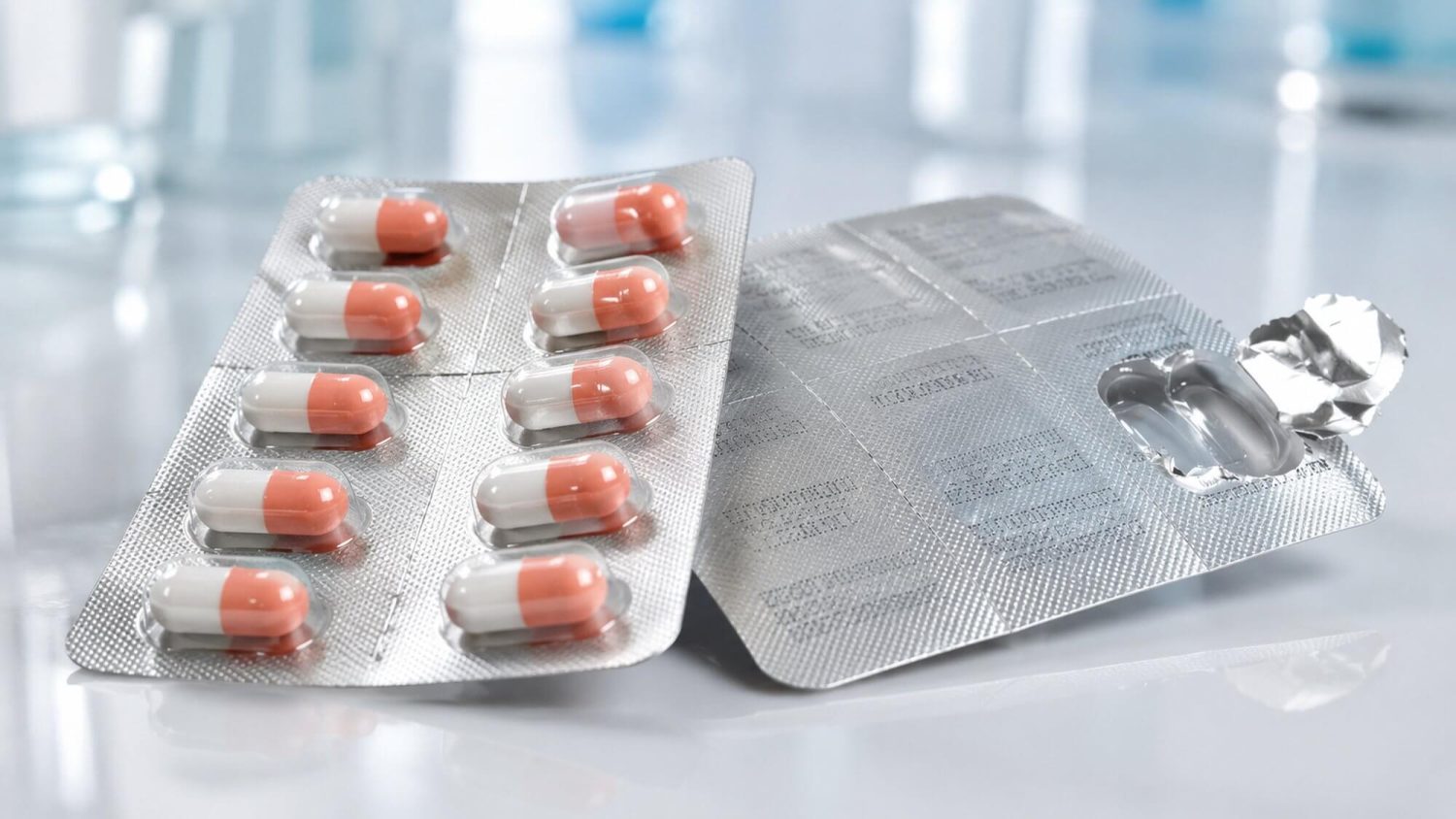
- Peelable foil: The structure may be a laminate or heat-seal-coated aluminum foil. The lid is peeled to open rather than pushed through.
- Suitable forming web: Common PVC-thermoformed films, PET-based structures
- Best fit: Fragile tablets, hard capsules, senior-friendly packs
- What to check: Peel strength, seal integrity, opening force, clean peel behavior, sealing window
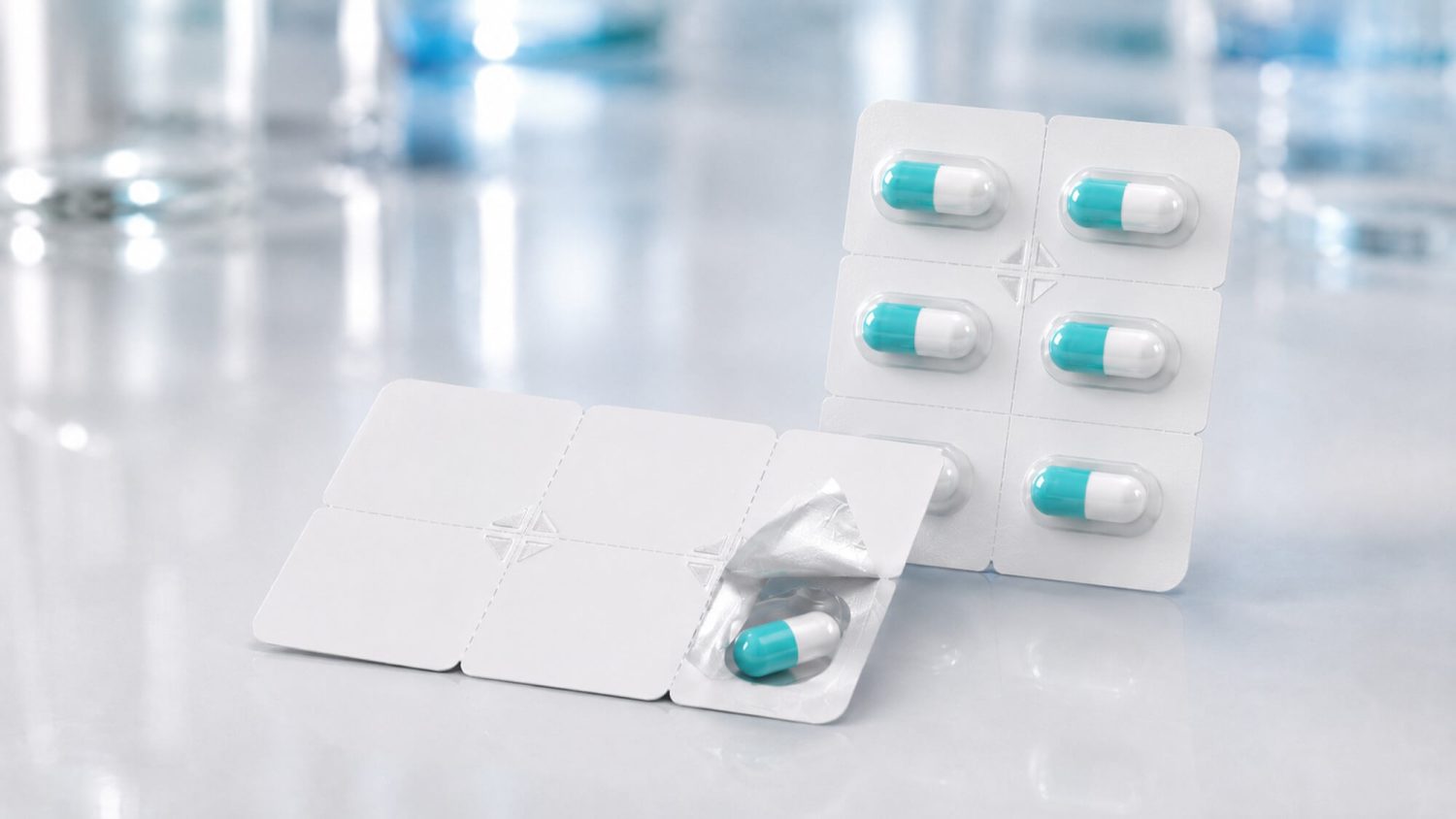
- Child-resistant and senior-friendly lidding laminates: They have a layered structure. The packs are usually opened using a peel-push or tear-open method. These lids are designed to prevent accidental access.
- Suitable forming web: Common thermoformed films, selected cold-form structures
- Best fit: Prescription drugs, higher-risk OTC products, child-resistant or senior-access packs
- What to check: Peel-push or tear-open behavior, tooling impact, perforation layout, seal compatibility
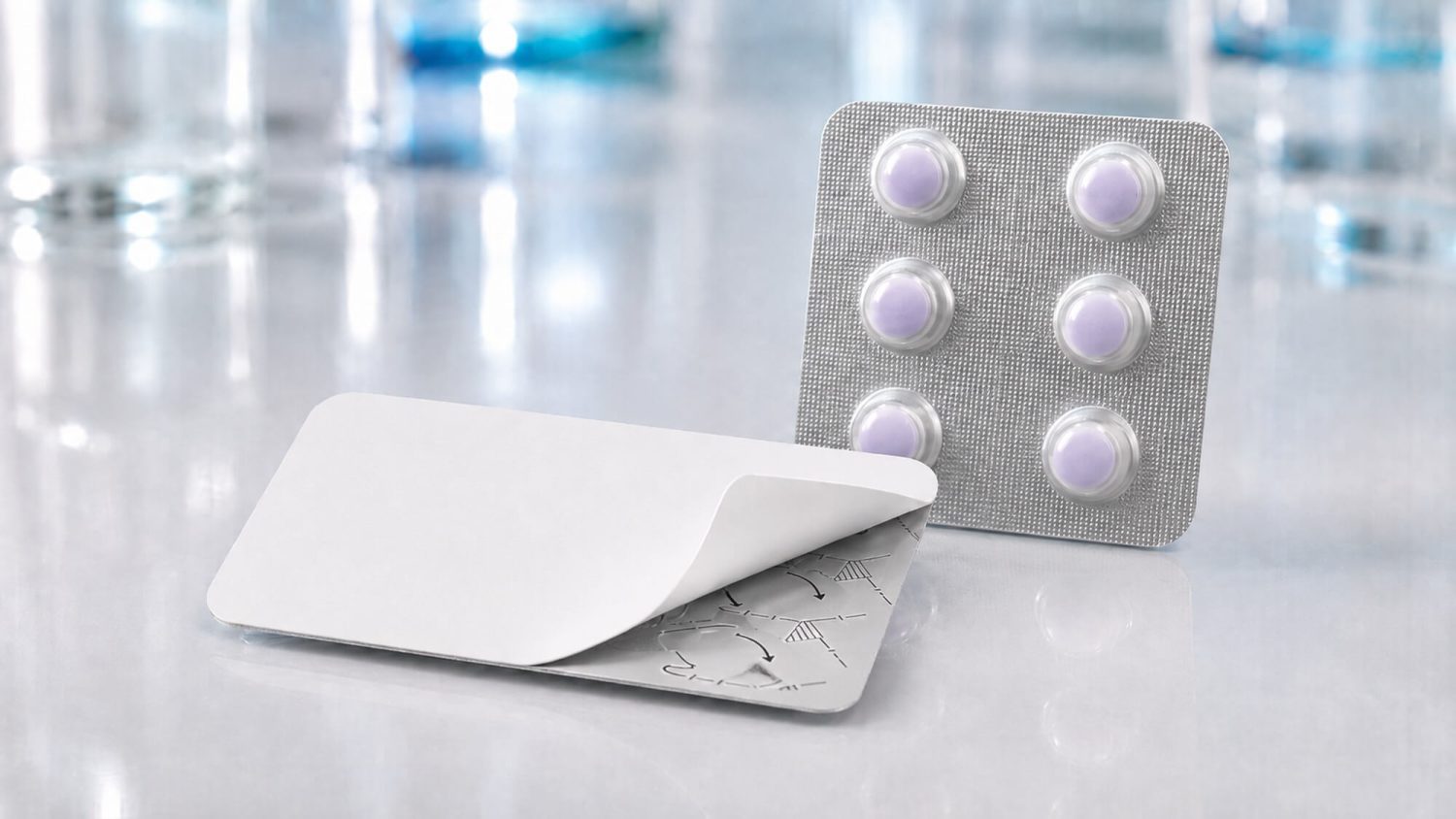
- Aluminum-free lidding: Suitable for better material recovery or possible cost savings. The structure may be polymer-based or paper-based. Some may contain multi-layer plastics or coatings. So we cannot assume it is fully recyclable.
- Suitable forming web: Mono-material films, approved recyclable structures
- Best fit: Dietary supplements, lifestyle consumables, eco-friendly packaging
- What to check: Barrier data, seal range, opening behavior, machine fit, local recycling route
How to Choose Blister Packaging Materials
1. Establish the packaging requirement first.
Consider the main product risk. Some products need moisture protection. Others may be more sensitive to light or oxygen. The blister packaging materials should give enough barrier protection for the specific product.
2. Choose between clear and opaque.
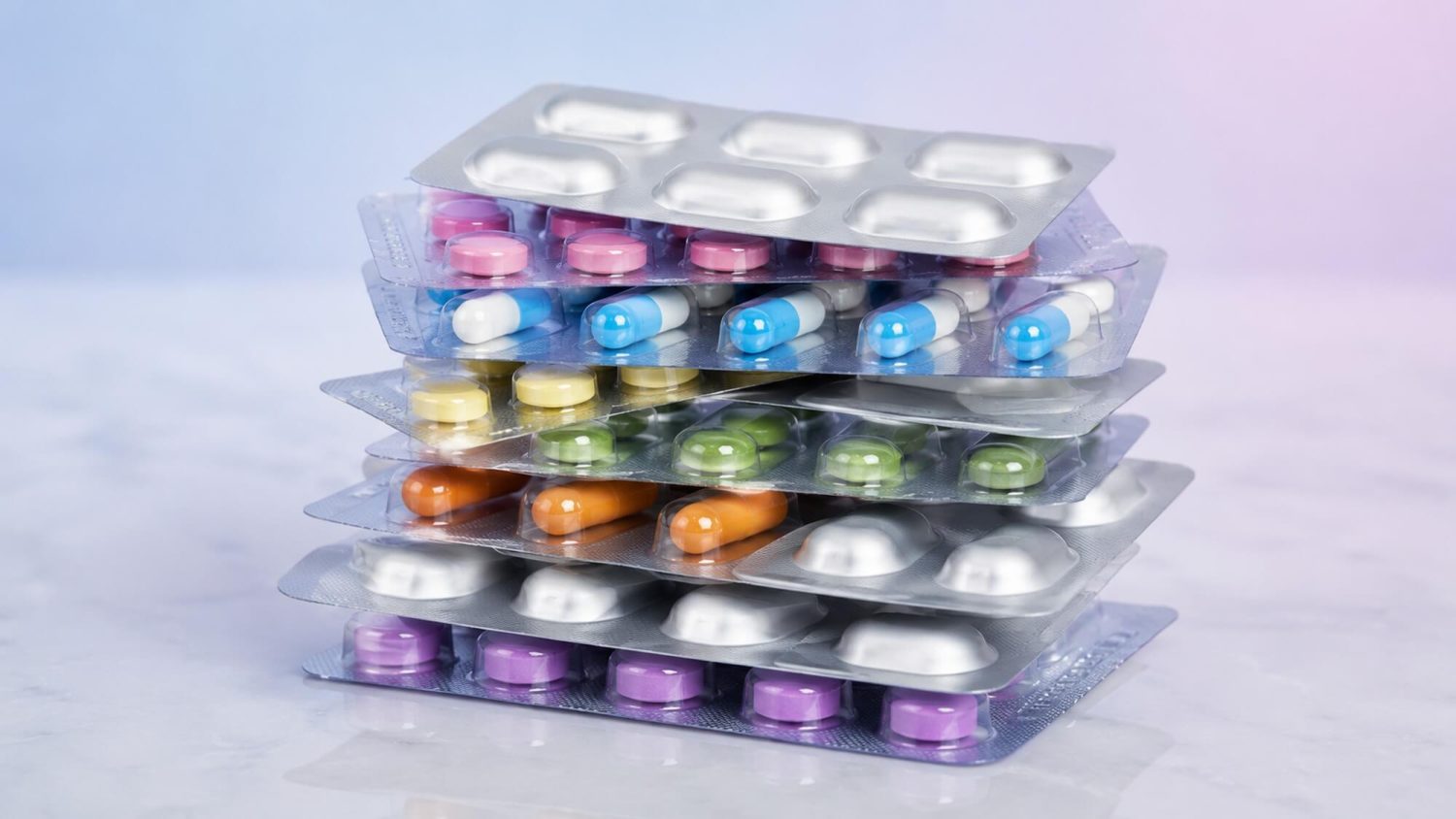
If your product needs to be visible, for example, letting patients identify the dose, most PVC-based films create clear blister pockets. For light-sensitive products, opacity is a priority. Alu-alu can hide the product and give stronger protection.
3. Match the pocket design to the material.
PVC can usually form compact cavities on a single pack. Cold-form aluminum may not be as stretchable as plastics, so it usually produces a softer forming shape and leaves more space around each pocket. With the same card size, an aluminum blister may hold fewer doses than a plastic one.
4. Choose the opening method early.
The lidding material may determine the open style of a blister pack. Push-through aluminum foil works for many standard packs. If the drug is fragile, push-through opening may damage the dose. So a peelable structure is usually a better fit in that case. Child-resistant packs may also need a unique lidding specification and tooling setup.
5. Compare the cost per saleable blister.
PVC films may be the lowest-priced, but poor forming can increase scrap. If you go for a higher-barrier web like PVdC-coated PVC, it may run at a lower speed on the machine. This can reduce saleable output. Alu-alu gives the strongest protection, but it often holds fewer doses per card and costs more than PVC. The real measure is the cost per saleable blister.
How Materials Affect Blister Packaging Machine Setup
Blister materials do more than protect the product. They also affect how the blister packaging machine produces the pack.
Forming material → Machine configuration
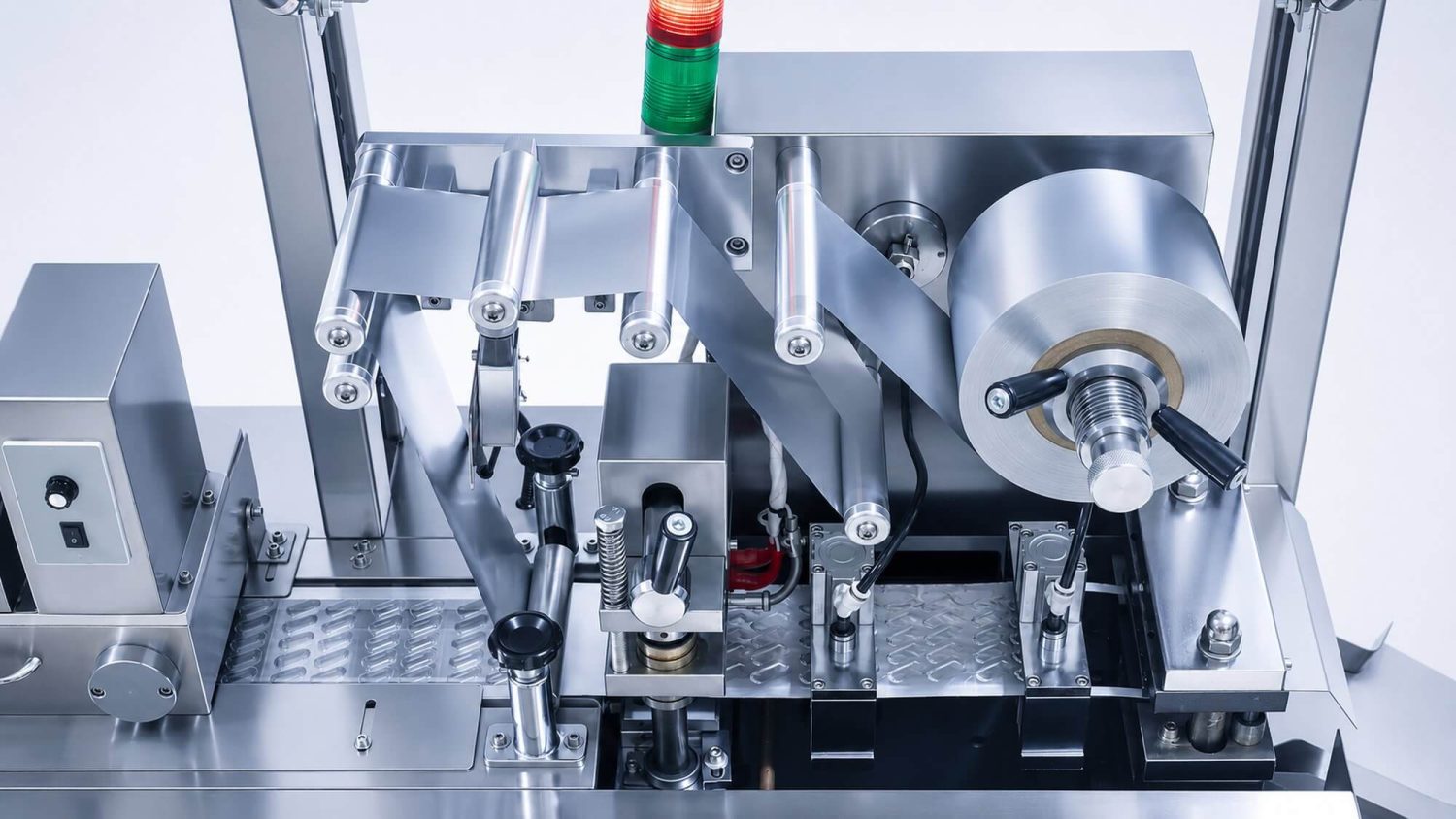
Thermoforming films require heating plates and vacuum or pressure to shape cavities. Cold-form aluminum usually bypasses heating. It relies on mechanical punches to stamp the foil and form pockets.
Film behavior → Forming settings
Film thickness, stiffness, coating, and laminate structure can change how the web forms. A thicker material may need more heat. Stiffer foils have to be pressed longer. Some forming systems should also be equipped with cooling features.
Lidding structure → Sealing
Hard aluminum foil, peelable foil, paper-backed foil, and child-resistant laminates may need different sealing settings. The heat-seal lacquer should match the forming web. Or it can lead to poor seals, wrinkles, coating damage, or opening problems.
Material choice → Tooling and pack layout
The chosen material can affect the blister layout. The tooling for cold-form aluminum often leaves more space around each cavity than standard PVC tooling.
Final material → Real output
Some materials need more time to form or seal. Others may require a larger layout, so each card holds fewer cavities. These factors can reduce real production output.
What to Send with a Blister Machine RFQ
A good RFQ should show the supplier what you plan to pack. Clear information helps them quote the right machine setup. We recommend sending the details below before asking for a final price.
Product Details
- Dosage form
- Product size
- Product weight
- Fragility
- Dust level
- Sample quantity
Protection Needs
- Moisture sensitivity
- Oxygen or light risk
- Target shelf life
- Expected storage conditions
Material Specifications
- Forming web
- Lidding film
- Thickness
- Material structure
- Coat weight
- Reel width
- Seal layer and area
- Data sheet
Blister Pack Format
- Pocket layout
- Number of doses per pack
- Blister size
- Perforation requirements
- Opening style
- Carton size limits
Output Plan
- Target output
- Shift pattern
- Batch size
- Changeover frequency
- Acceptable scrap level
Line Setup
- Feeder and printer
- Camera inspection
- Seal checks
- Reject system
- Cartoning machine connection
- Space limit
- Power and air supply source
Mistakes That Increase Cost or Risk
- Going straight to the strongest barrier
- A high-barrier blister material may not be your best buy. It may need different forming stations and tooling. If your product is stable, these materials may slow the line or add cost.
- Using a vague material name
- Telling the supplier that you want a PVC film is too vague. PVC can come in different thicknesses. It may also have different coat weights or material structures. Without these details, the supplier cannot give an accurate price or confirm the right machine setups.
- Deciding on the tooling too soon
- Different plastic films form at unique rates. Tooling for one material may create the wrong pocket depth when another film is used. It may also lead to poor seals. If the material changes late, the machine may need new heat and seal settings.
- Trusting brochure speed alone
- A published rate does not show real output. Ask how many saleable blisters the machine can produce with your product.
- Skipping a sample test
- The material may not form correctly on your existing tooling. A different heat-seal coating can also stop the blister from bonding firmly to the lidding foil. Your product may react with the plastic as well. A trial can help find these problems before final acceptance.
Blister Packaging Material FAQs
Key Takeaways
- The right blister packaging material looks at the protection needs. Some products only need basic protection. Others need a stronger barrier.
- Product visibility also affects the choice. A clear pack helps users see the dose. Stronger protection may come with opaque materials.
- A good material still needs a good seal. If the forming web and the lidding foil do not seal properly, the pack can fail during daily use.
- Do not trust the data sheet alone. You’d better test the material with your real product format on the machine.
- A low price can look attractive at first. What matters is how many saleable blister packs you can get from each production run.


