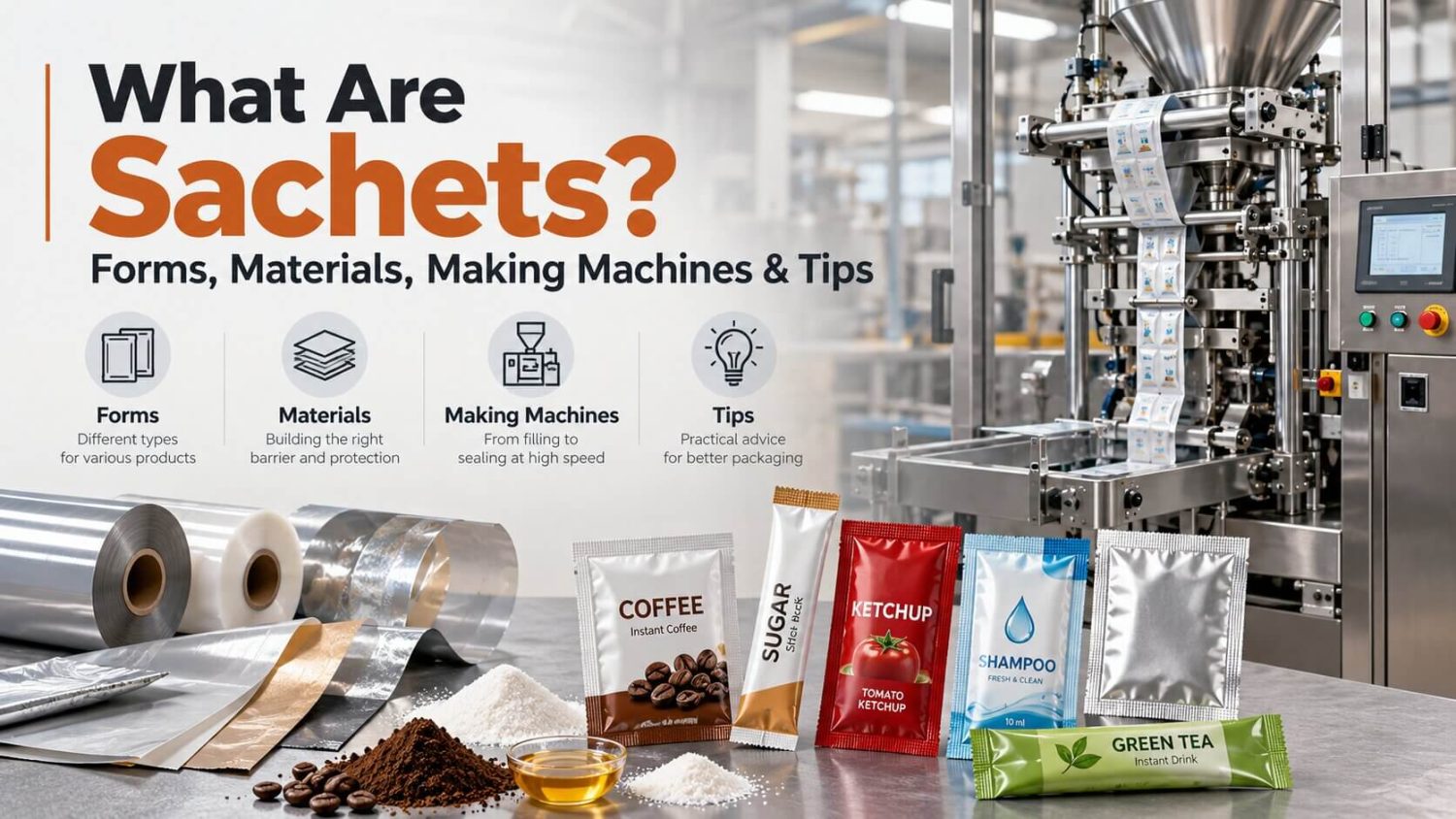
Sachet packaging is popular because it offers a convenient, portable way to package products. It is widely used in industries such as food, personal care, and pharmaceuticals. With increasing market competition and changing consumer demands, it is key to know sachets well.
What Does Sachet Mean?

A sachet is a small sealed packet or flexible package. It is often used to hold a small volume or a single-use amount of a product. A sachet is usually made from plastic film, paper, aluminum foil laminate, or a combination of these materials. Sachets feature light and compact structures. It is easy to use and be torn open. Unlike bottles or jars, sachets have a different manufacturing process. In many automatic packaging lines, sachets are formed from roll film and sealed along the required edges to contain the product. Some sachets may also be made from preformed materials or use different structures based on the application.
Sachets are often used as single-use packaging. They can control portions and may reduce product overuse. But they can also create packaging waste, so material selection and disposal should be considered. Sachets are available in many sizes and capacities based on the product properties.
What Is a Sachet Used For?
Sachets are suitable to pack liquids, powders, granules, gels, creams, and pastes. So it has a wide application in different industries.
- Food and beverage. Common examples include sugar, coffee, sauce, seasonings, drink powders, etc.
- Pharmaceuticals. It poses stricter requirements of dose, content uniformity, material compatibility, and GMP compliance. Sachets are often used for oral powders and medical gels.
- Cosmetics and personal care. Shampoo, lotion, face cream, samples, etc.
- Household and chemical products. Detergent, cleaning powder, fertilizer, etc.
Four Common Sachet Forms You Should Know
Sachets can be classified based on their sealing structure, shape, and packaging design. The popular sachet types are as follows.
Standard Flat Sachet
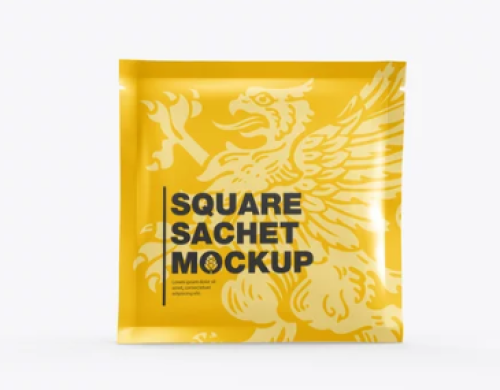
A flat sachet is one of the most common sachet formats. It is a thin and flat package made from flexible laminated film. The flat surface provides a larger area to print product information or for branding. They are commonly used for powders, liquids, gels, creams, and small-volume products. Common sachets include 3-side seal and 4-side seal sachets. Flat sachets feature a simple and compact structure. The manufacturing process is not difficult, so it also has a lower production cost than other sachets.
Strip Sachet
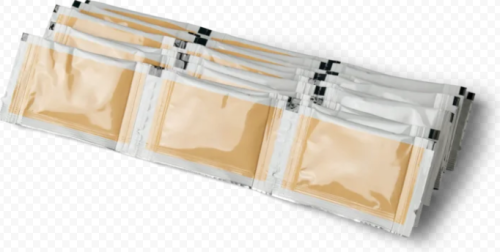
A strip sachet has multiple individual bags connected in a continuous strip. Each bag is separately sealed, so people can tear off one bag at a time. They also don’t need to open the remaining packages. This design combines multiple doses into one connected package for easy use. The main advantage of a strip sachet is the easier distribution of multiple doses. It is ideal for products that require repeated use over several days, such as pharmaceutical powders and nutritional supplements.
During manufacturing, the packaging machine should accurately control the distance between each sachet, sealing strength, and cutting position. Poor control may cause uneven sachet sizes or weak connections between bags.
Dual Sachet
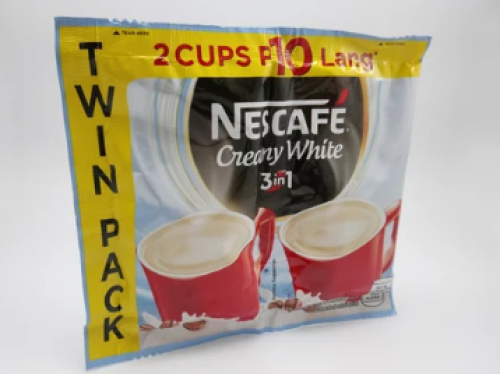
A dual sachet is also called a dual compartment sachet or a twin sachet. It is a package that combines two separate sachets or two compartments into one unit. It provides two independent storage areas within one package. Dual sachets are commonly used when two ingredients should remain separated before use. For example, one compartment may contain a powder while the other contains a liquid. This design prevents unwanted reactions between components and people can mix them at the right moment. Dual sachets are often used in cosmetic products, hair treatments and healthcare products.
Shaped Sachet

A shaped sachet is a customized sachet with a special shape instead of the traditional rectangular one. This type usually requires customized cutting tools for production. The main feature of a shaped sachet is its unique appearance. It easily catches people’s eye and attracts their attention. Shaped sachets are commonly used for cosmetic samples, promotional products, and premium consumer goods. However, the production cost is much higher than that of other types because of the complex manufacturing process.
You can check the chart to see their differences.
| Type | Structure | Key Feature |
|---|---|---|
| Standard flat sachet | Single flat sachet | Simple, compact, large printing area |
| Strip sachet | Multiple sachets connected in one strip | Several sachets packed together |
| Dual sachet | Two compartments combined together | Keeps two products separated until use |
| Shaped Sachet | Customized shape | Branding and visual appeal |
What Is a Sachet Made Of?
Sachets could be made of different materials based on production requirements. Many sachets are made from a single plastic film, while others use multiple layers to achieve better protection.
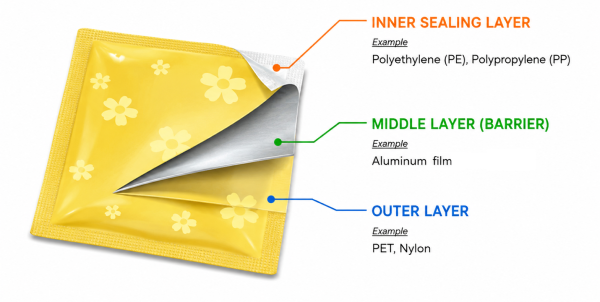
- Plastic films. This material features lightweight and good flexibility. Among them, PE is usually used as the inner sealing layer because of its good moisture resistance. PET is a common outer layer because of high strength and easy printing. Other common materials include CPP, LDPE, PA, EVOH, etc.
- Aluminum foil laminates. Aluminum foil laminates combine aluminum foil with one or more plastic films. It offers a high barrier protection to block light or oxygen when everything is properly chosen. Aluminum foil laminates are used to pack products that are sensitive to the environment.
- Paper-based sachets. This type is often combined with plastic or barrier coatings to offer better protection.
Actually, most sachets are not made from one material. They are produced by laminating two or more materials together. Each layer has a different function. This makes the sachets provide better packaging properties. A laminated sachet usually consists of an outer layer for strength and printing, a middle barrier layer, and an inner sealing layer that contact with the product. The inner layer must be compatible with the product and meet the relevant packaging regulations in the target market. Common structures include PET/PE, PET/AL/PE, and PET/AL/CPP.
What Machine Do You Need to Make Sachets?
For sachet making, the two main packaging machines are Vertical Form Fill Seal (VFFS) equipment and Horizontal Form Fill Seal (HFFS) equipment. Both machines use flexible packaging film to automatically form sachets, fill products, and seal the packages. The main difference is the packaging direction.
VFFS Packaging Machines
This equipment forms sachets from a roll of flexible packaging film and fills products in a vertical direction. It can be suitable to pack free-flowing powders, granules, and liquids when properly equipped. VFFS packaging machines are suitable for small and medium-sized manufacturers. They may need a flexible sachet packaging solution.
The working process is as follows.
- Film feeding and bag forming. The machine pulls packaging film from a roll and guides it around a forming tube. The flat film is shaped into a tube.
- Bottom sealing and filling. The bottom is hot-sealed to hold products. A dosing system measures the required amount of product. Then, it is filled into the bag from the top.
- Top sealing and cutting. After filling, the machine seals the top and cuts the finished sachet.
You can check the video to see how VFFS packaging machines work.
HFFS Packaging Machines
An HFFS machine forms, fills, and seals sachets or pouches while the packaging film moves horizontally through the machine. It could be used to pack powders, capsules, gel, liquid, etc. They can handle more complex shapes and products. Compared with VFFS machines, HFFS packaging equipment requires more cost. It has a more complex manufacturing process and a higher demand for maintenance.
Here is the common working principle of HFFS machines.
- Film feeding. The machine unwinds the packaging film and moves it horizontally through the forming section.
- Bag forming. The film is folded to form the shape of a sachet when passing through the bag forming station. The machine then seals the edges based on the set sachet design, such as a three-side seal.
- Product filling. The machine opens the sachet and loads a required amount of product.
- Opening sealed. After filling, the opening is sealed tightly.
- Cutting. The machine cuts the continuous film into individual sachets and discharges it.
Here is a video to show you how the HFFS packaging machine works.
How to Choose a Good Packaging Machine to Make Sachets?
The right machine is related to many factors and details. If you don’t know how to choose one, the following checklist may be useful.
| Factors | Key questions to answer |
|---|---|
| Product type | Is your product powder, granule, liquid, paste, or other? Does it flow easily during filling? |
| Sachet format | Do you need a 3-side seal sachet, strip sachet or another style? |
| Sachet size | What are the required sachet width, length, filling volume, and target weight per pack? |
| Film material | What roll film structure and thickness will you use? Is it suitable for heat sealing? |
| Sealing requirements | Do you need strong sealing, an easy-tear notch, date coding, or special sealing appearance? |
| Production output | How many sachets per minute do you need now, and will your capacity increase in the future? |
| Factory space | Is it enough for a packaging machine for installation and operation? |
Once these details are confirmed, you will have a comprehensive understanding of your whole production. If you produce standard sachets, a VFFS machine is a good choice. It requires less floor space and integrates forming, filling, and sealing in one continuous process. If you have more budget and need more complex sachet forms, an HFFS machine may be preferred. It suits production that requires precise product positioning, gentle handling of delicate products, or extra processing stations. If you are also considering preformed packaging formats, you can read our guide to VFFS vs. premade pouch packaging machines to help you make the best choice.
Your supplier can better evaluate your production requirements after confirming these details. Then, he can give you a practical suggestion for packing equipment. If available, you should also provide your expected sachet drawing, film specifications, and required speed. This makes the selection process more accurate and helps ensure the final machine matches both your current production needs and future capacity growth.
Sachet VS. Pouch: What’s the Difference?
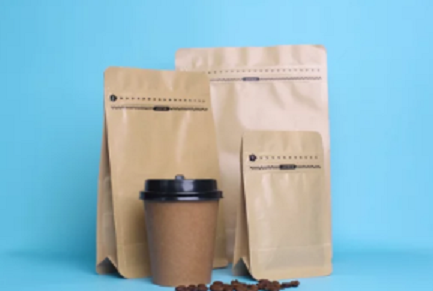
Although sachets and pouches seem similar, they meet different market needs in many conditions. Sachets focus on convenience and portion control. It makes them common for samples, single doses, and small-volume products. Pouches provide more flexibility in size and design. They are suitable for products that require larger capacities, stronger protection, or additional features such as resealing. The following table highlights the key differences between these two packaging formats.
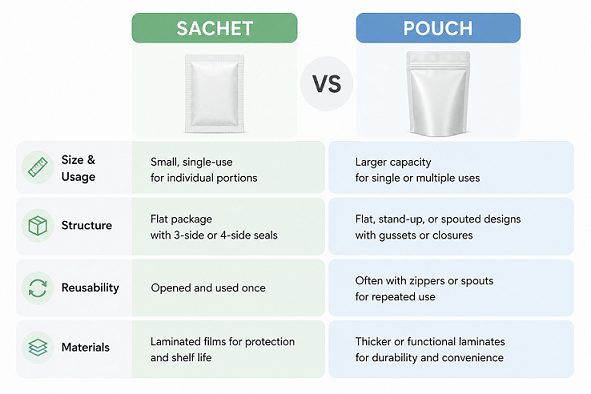
For manufacturers, sachets are often chosen for products such as samples, single-dose supplements, sauces, and small-volume liquids. They require less material and are convenient for distribution. Pouches pack products such as coffee, protein powder, pet food, and household products that need larger capacities or longer-term use. The choice should be based not only on the package format but also on the filling method, sealing requirements, and production volume.


