NOTICE
- The following procedures are intended for Anxine equipment only. For other brands, refer to the original manufacturer’s instructions.
- Always disconnect the power supply before performing maintenance, cleaning, or mold changeover.
- Only trained and authorized persons are permitted to work on the equipment.
- Your equipment may vary from images or videos due to ongoing upgrades.
- If any part of this guide is unclear, contact Anxine for technical support before proceeding.
What is the CFZ series?
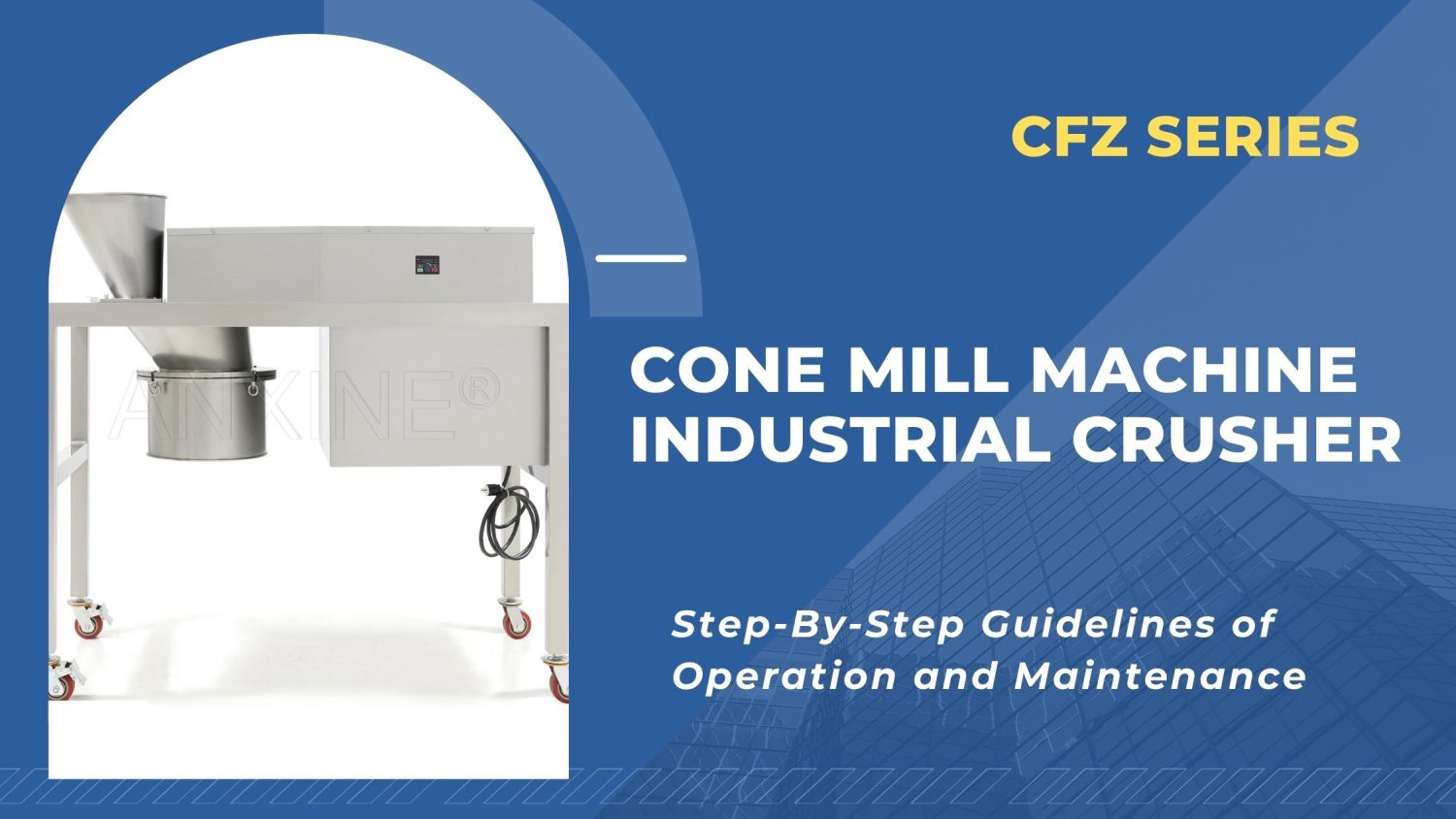
The CFZ series is used to break up agglomerated granules and make their size more uniform after drying. It ensures that the granules meet process requirements for downstream production, such as mixing, filling, or tableting. The series is suitable for dried granules produced by fluidized bed granulators. These materials are commonly used in pharmaceutical, food, and fine chemical processes.
The CFZ series features different production capacities and dimensions. Each model has its unique function in various business scales. You can select the best one according to your production requirements.
How to operate the CFZ series?
The operation is easy. You may check the video to see how it works.
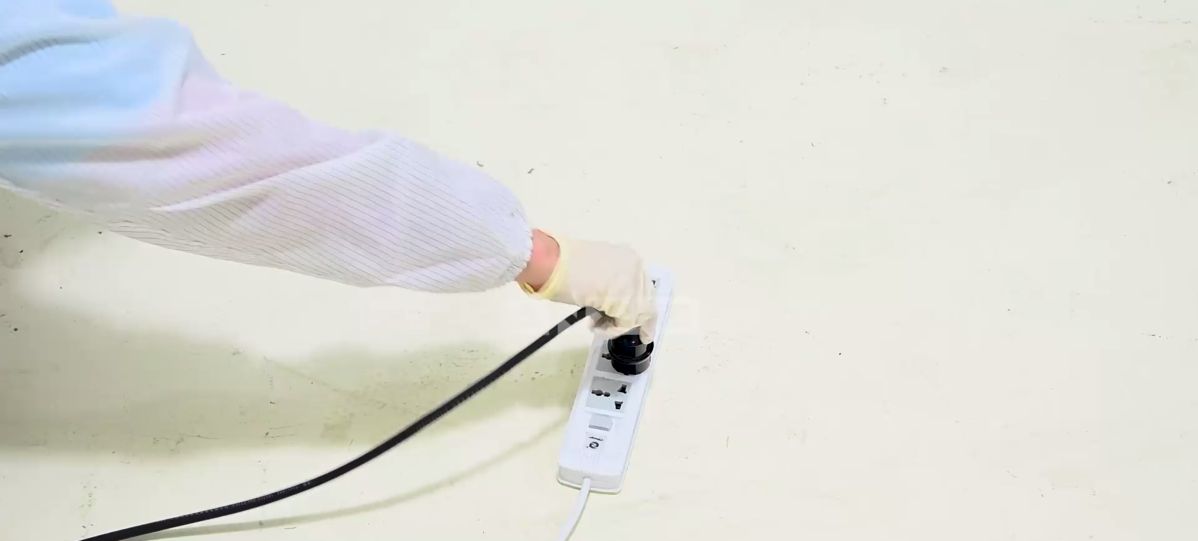
Step 1: Turn on the power to activate the machine.
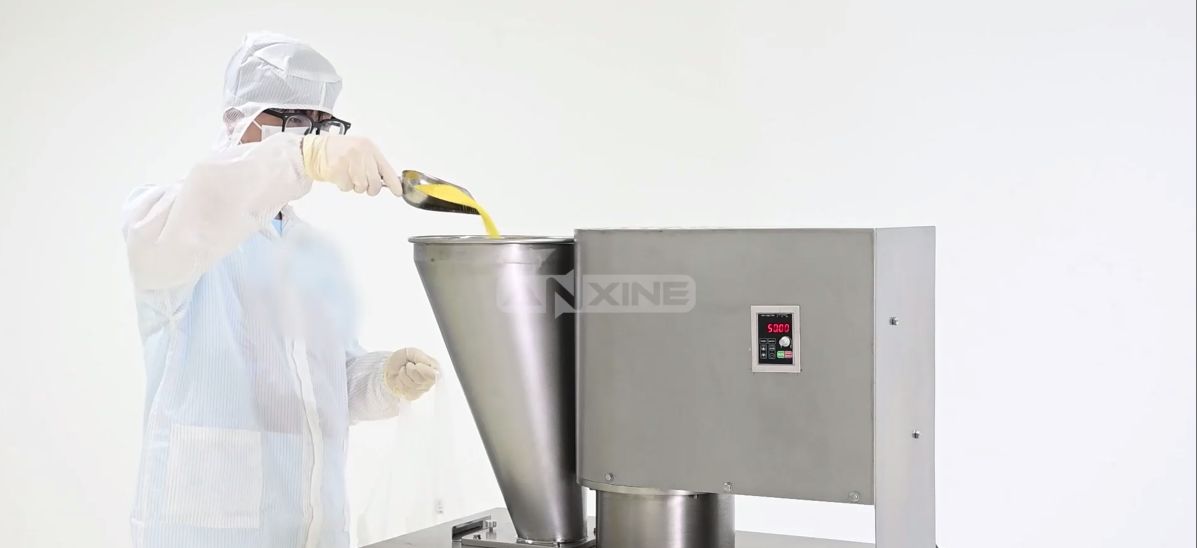
Step 2: Pour the material.
Step 3: Click the start button.
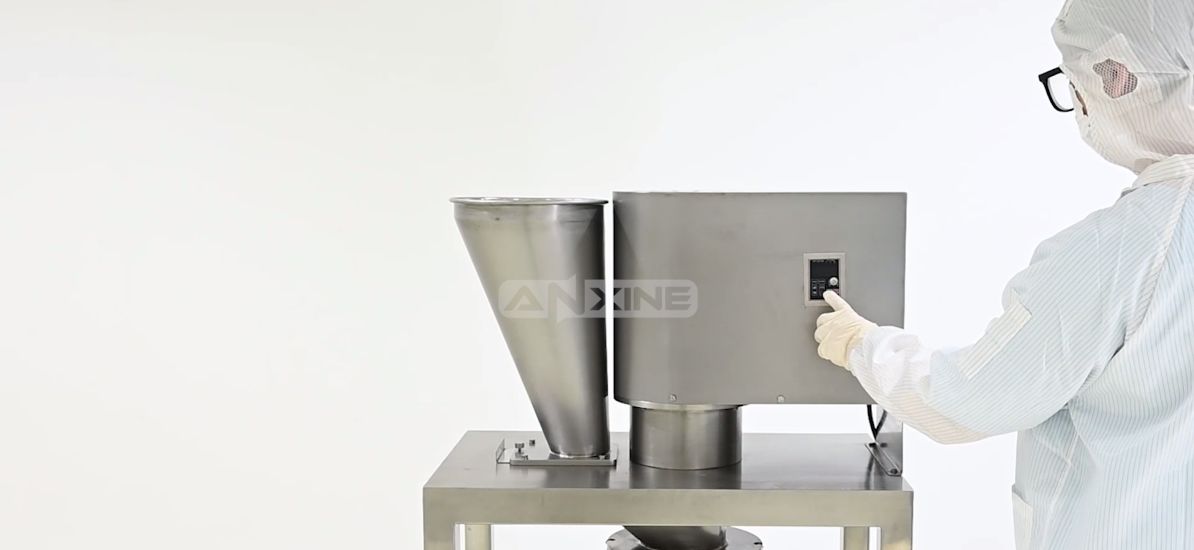
Step 4: Adjust the knob to set the running speed.
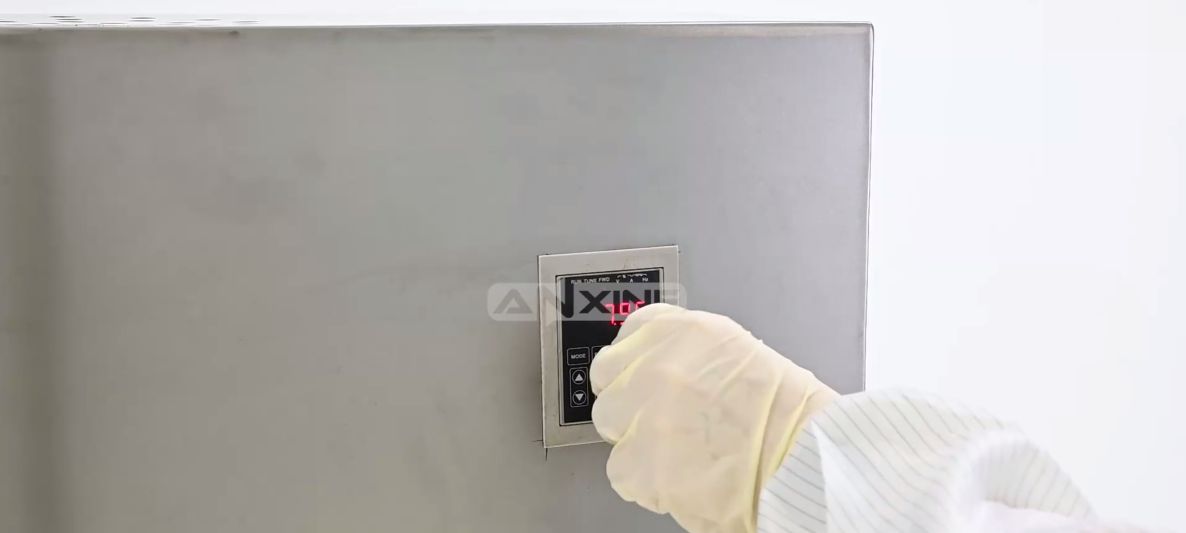
Step 5: Put a large container under the outlet to collect powders.
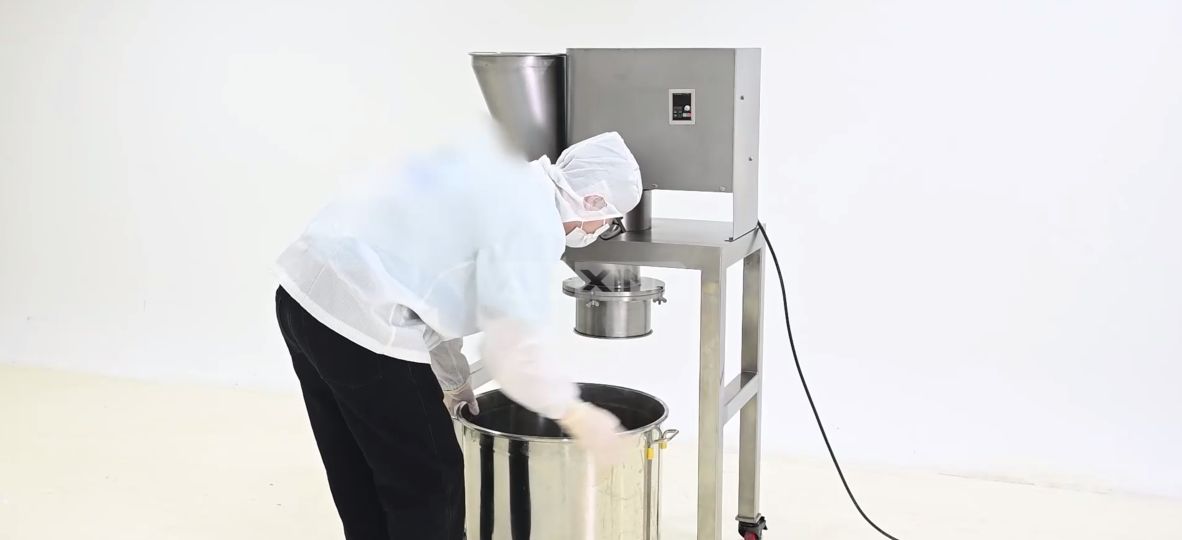
Step 6: Start crushing.
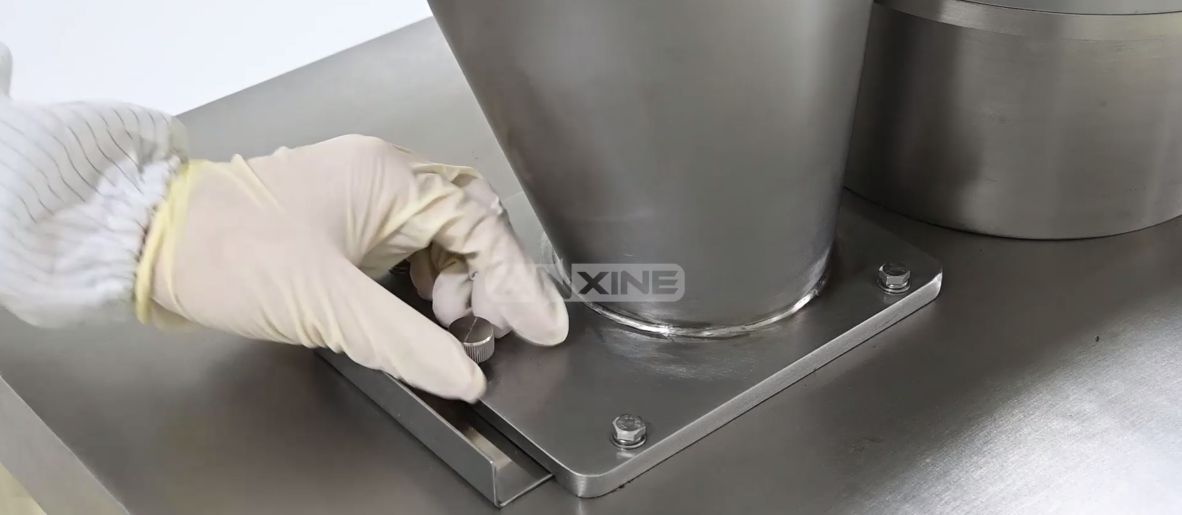
Step 7: Open the material baffle and the powders flow out.
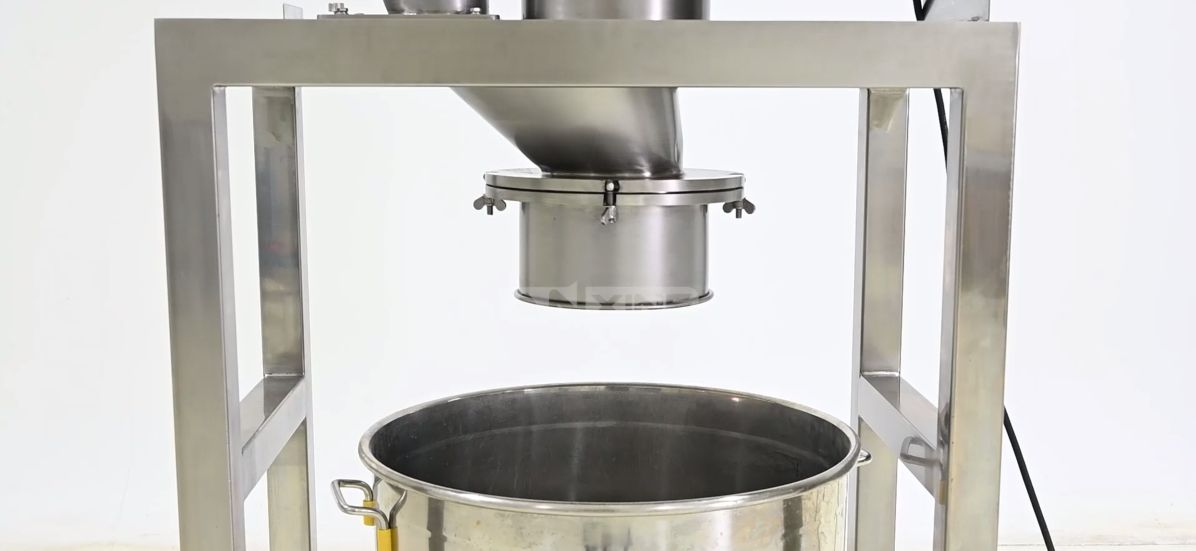
Installation and Commissioning Tips
- Contact the manufacturer or dealer for installation and commissioning.
- The manufacturer will arrange for staff to perform the commissioning (unless commissioning is not required).
- If any abnormal phenomena occur during commissioning (e.g., vibration, sharp noises, excessive temperature rise), the machine should be stopped immediately for inspection until the cause is identified and resolved.
How to maintain the CFZ series?
Note: Only competent engineering technicians or personnel who have received maintenance training for this powder grinder machine can perform maintenance work.
Routine Maintenance
Step 1: Before starting the machine, check if there is any damage or deformation on the exterior of the machine, and ensure that all wires are correctly connected.
Step 2: Check if there are any scratches or deformations on the interior of the screen mesh, and ensure the gap between the screen mesh and the granulation blade is appropriate.
Step 3: Check for any foreign objects inside the screen mesh and beneath the granulation blade, and remove them if present.
Step 4: Inspect the granulation blade for any damage or looseness.
Periodic Maintenance
Step 1: Detailed inspection after every 120 hours of operation.
Step 2: Inspect for oil leaks on the connection shaft of the granulation blade. If there is a leak, the oil seal must be replaced.
Monthly or 500 Hours of Operation Maintenance
Step 1: Inspect the motor and gearbox bearings for abnormal noise, vibration, and overheating. Replace any bearings if necessary.
Step 2: Check the tightness of all fasteners and the wiring of the circuits.
Step 3: Inspect all wiring for damage, deterioration, and overheating.
Quarterly or 1250 Hours of Operation Maintenance
Step 1: Clean the motor housing and the surrounding area by removing all dust and debris.
Step 2: Check if the motor runs smoothly and if there are overheats or abnormal sounds.
Step 3: Test the motor according to the standard electrical practices.
Maintenance During Long-Term Storage
Step 1: When storing the equipment for a long period, disconnect the power supply.
Step 2: The equipment should be stored in a ventilated, dry, non-corrosive, and vibration-free environment.
Step 3: With regular checks of the packaging and humidity, the machine can be stored for up to 3 years.
Step 4: After long-term storage, check the machine before reinstalling or powering it on.


