Stainless steel is everywhere in our daily lives. You have probably noticed that, right? It is corrosion-resistant, strong, easy to clean, and offers many other advantages. This makes stainless steel a practical material for equipment in the food and pharmaceutical industries. As you may know, both industries have strict requirements for materials that directly contact products.
Usually, the better the performance of stainless steel, the higher its cost. So, some dishonest suppliers may use low-cost materials or lower-grade stainless steel to imitate higher-grade stainless steel. By doing this, they can reduce costs and make a higher profit. That is why many buyers want to know how to tell if something is stainless steel before placing an order. In this post, we will introduce seven practical ways to identify stainless steel.
What Is Stainless Steel?
Steel is widely used. It has high strength, good toughness, and a relatively low cost. But ordinary steel can rust easily. This reduces its service life and reliability. To solve this problem, people add at least 10.5% chromium to steel. This helps form a passive film on its surface.
Similarly, elements such as copper, nitrogen, and titanium are added to give stainless steel more useful properties. This further alloys the material. As a result, stainless steel can have more functions.
Common Types of Stainless Steel and Applications
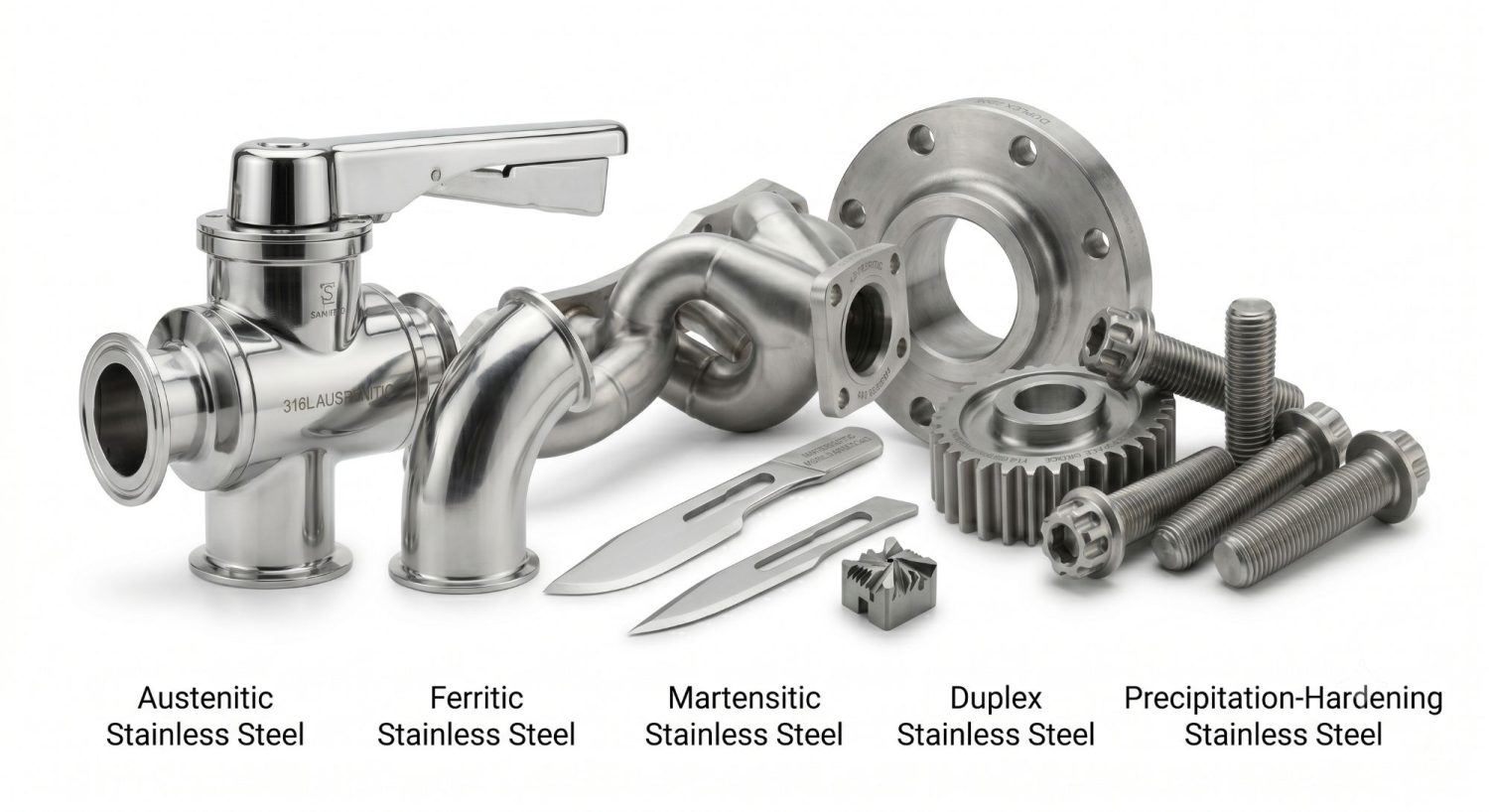
Stainless steel can be divided into five major types: austenitic stainless steel, ferritic stainless steel, martensitic stainless steel, duplex stainless steel, and precipitation-hardening stainless steel.
These names seem confusing. That is because they are mainly named according to their internal crystalline microstructure. These microstructures determine their properties. Different properties make each type suitable for different applications. But note that precipitation-hardening stainless steel is an exception. It is named based on its heat-treatment process.
I will briefly introduce these five categories below.
Common Applications of Stainless Steel
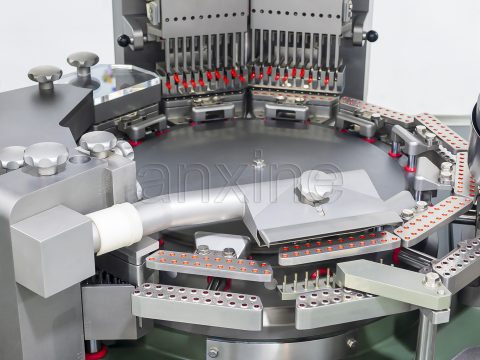
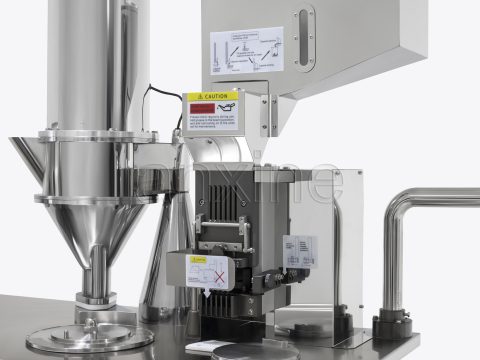
Stainless steel is useful in many situations, especially when you want to buy equipment for production. For example, in pharmaceutical manufacturing, most capsule filling machines are made of stainless steel. It provides many advantages. The smooth surface prevents powder buildup. The corrosion resistance keeps the equipment safe from moisture and cleaning chemicals.
Austenitic Stainless Steel
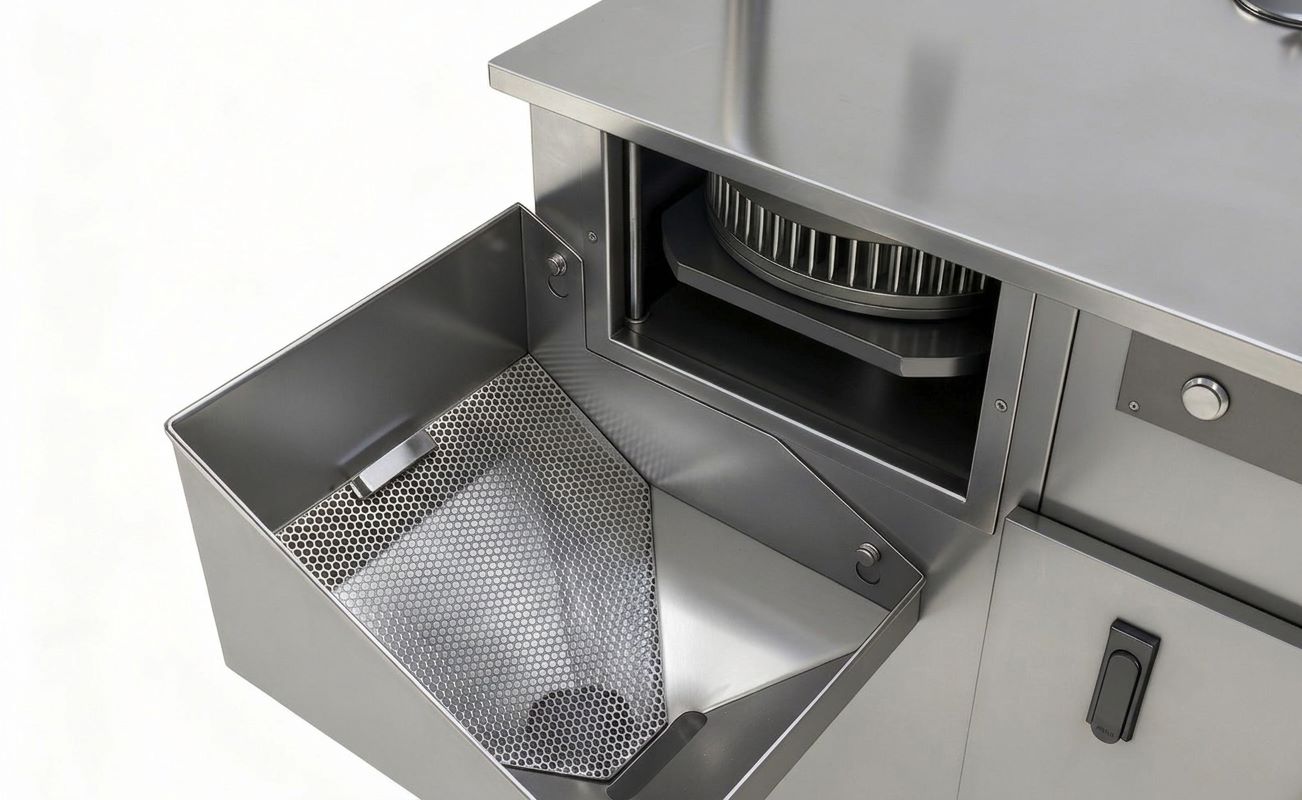
Austenitic stainless steel is one of the most important types of stainless steel. It resists rust and corrosion well, and its high formability makes it easy to shape. This makes it suitable for food equipment, pharmaceutical equipment, kitchenware, and chemical containers. The most common grades in everyday use are 304 and 316.
Ferritic Stainless Steel
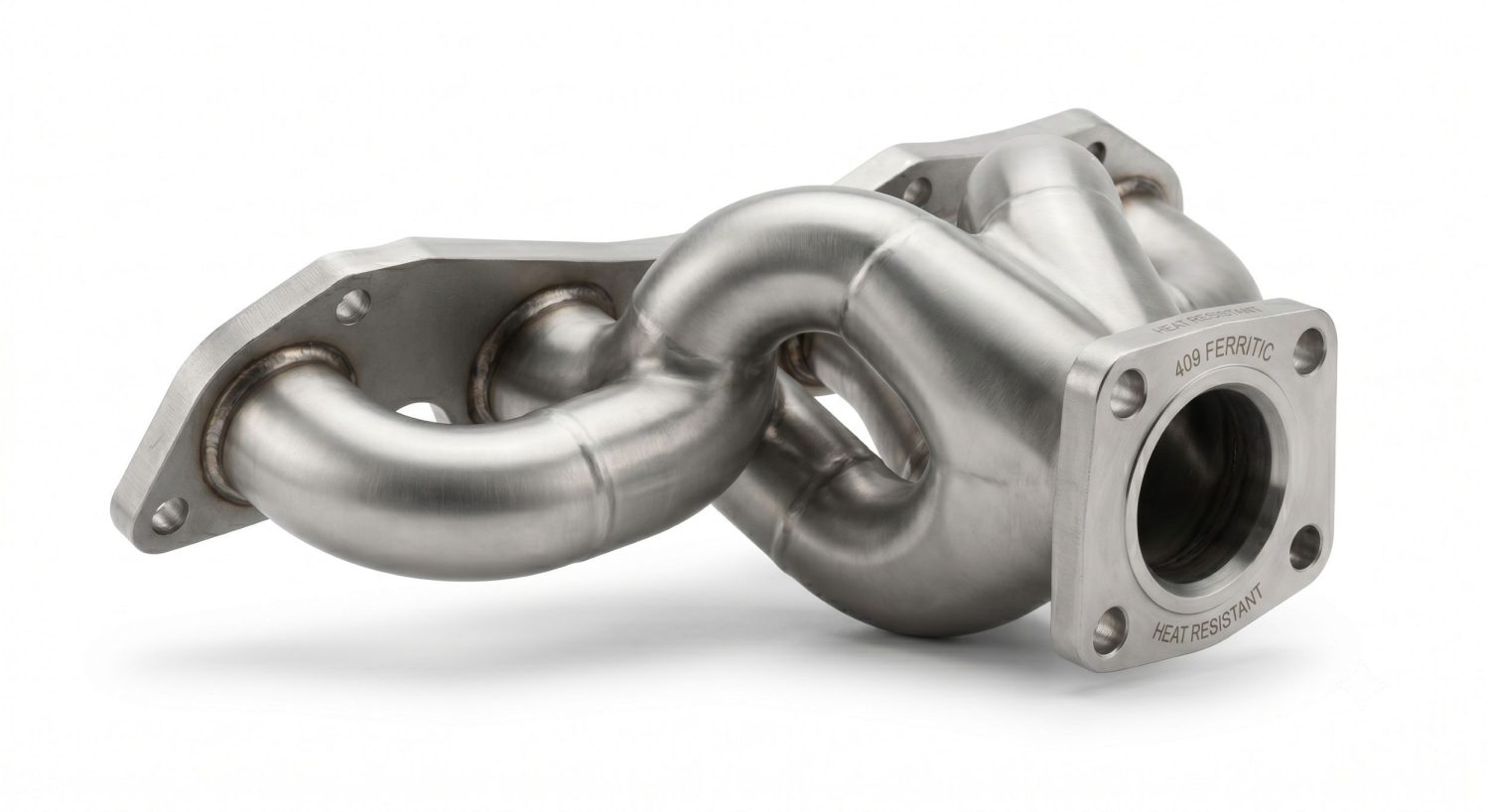
Ferritic stainless steel usually contains 10.5% to 30% chromium and generally has no nickel. This makes it a more affordable option. It is magnetic, with common grades including 409 and 430. This type is often used in automotive exhaust systems, appliance housings, and decorative panels.
Martensitic Stainless Steel
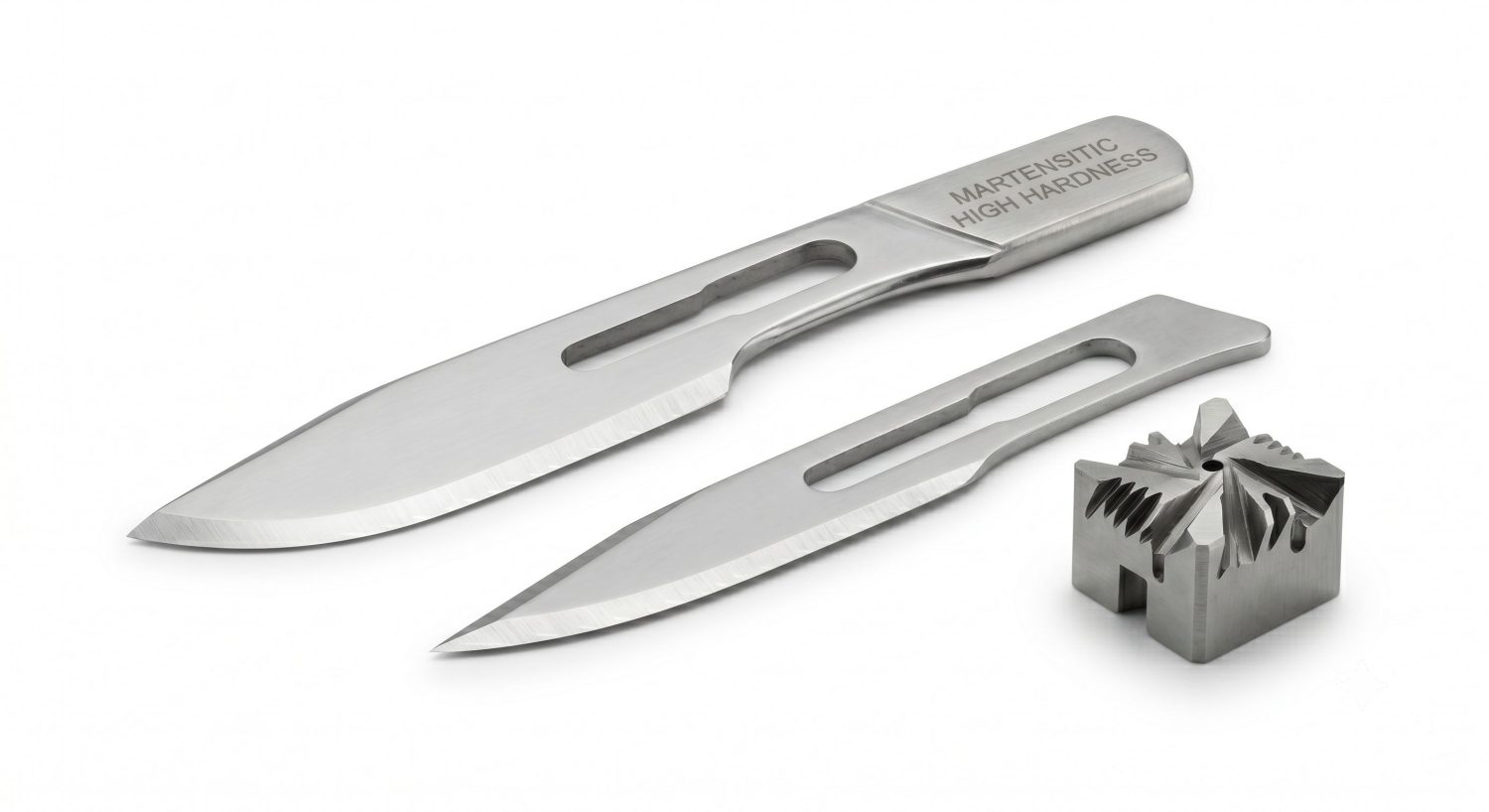
Martensitic stainless steel can be heat-treated to increase its hardness. It is a good choice for products that need strength and wear resistance. Common uses include knives, surgical instruments, valves, and shafts. However, it contains less chromium. As a result, it is less corrosion-resistant than ferritic and austenitic stainless steels. Grades 410 and 420 are among the most common types.
Duplex Stainless Steel
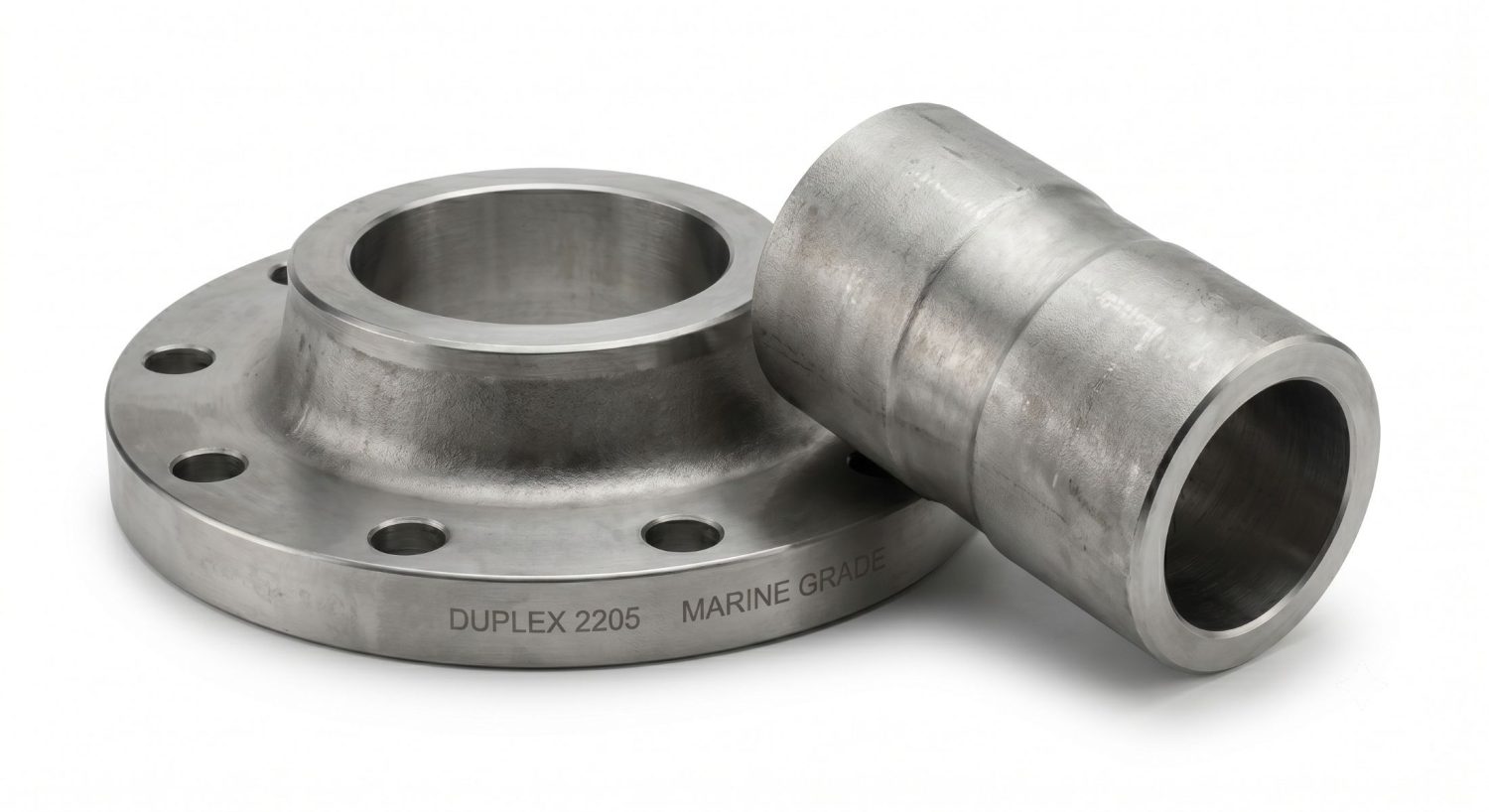
In duplex stainless steel, ferrite and austenite each make up about 50% of the structure. If one phase is lower, it should still be at least 30%. It offers higher strength and better corrosion resistance. It works especially well in salty or chloride-rich environments. Typical choices are 2205 and 2304. For harsher service, 2507 is often used.
Precipitation-Hardening Stainless Steel
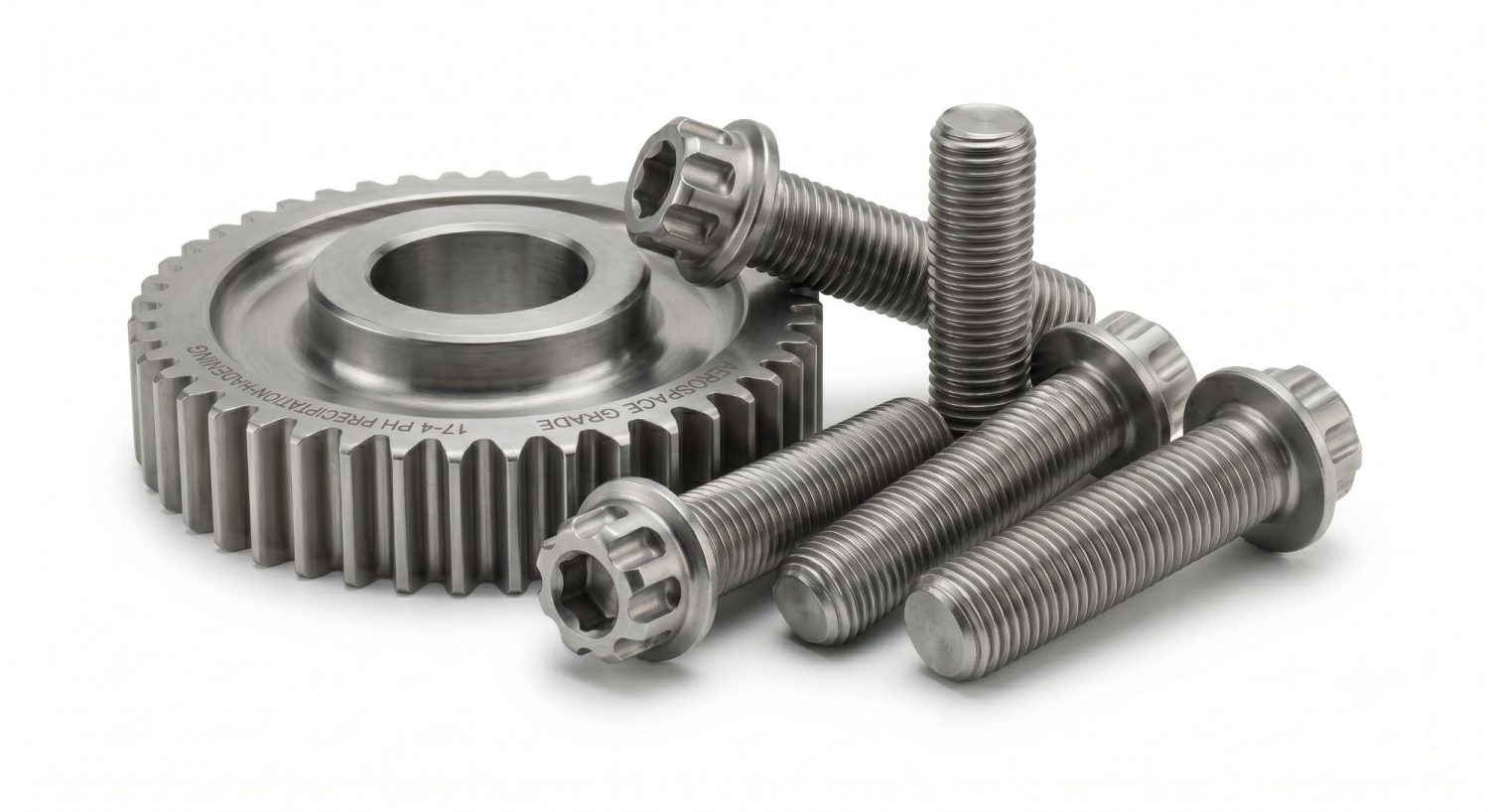
Precipitation-hardening stainless steel, as the name suggests, is made harder by adding elements that strengthen the steel. It still offers some corrosion resistance. Because of this, it is often used in aerospace parts, precision components, springs, and other high-strength mechanical parts. Typical examples include 17-4 PH and 15-5 PH.
Note: This is only a brief introduction. Stainless steel has many types because its composition, structure, and processing methods can vary widely. If you want to learn more, please refer to professional technical resources.
Is It Stainless Steel? Common Metals That Look Similar
Some metals look very similar to stainless steel at first glance. But they are not stainless steel. They also do not offer the same performance. If used by mistake, they can shorten equipment life and increase the risk of product contamination.
Plated or Coated Carbon Steel
The base material is carbon steel. A thin layer of metal plating or coating is applied to the surface, but this layer is not part of the base metal. As a result, the protection may not be stable or long-lasting. If the surface layer wears off, peels, or cracks, the carbon steel underneath can be exposed. This can lead to rust and may create a risk of product contamination.
Common plating and coating types:
- Metal plating or coating: chrome plating, nickel plating, and galvanizing
- Non-metal coatings: powder coating and paint coating
Polished or Surface-Finished Carbon Steel
Stainless steel is naturally silver-white or silver-gray. Carbon steel is usually silver-gray to dark gray. After polishing, brushing, or other mechanical finishing, carbon steel can have a smoother and brighter surface. As a result, it may look similar to stainless steel. However, the material itself is still carbon steel.
How to Identify Stainless Steel: 7 Practical Methods
Some sellers may pass off lower-grade stainless steel as a higher-grade one. Some may even use non-stainless metal and claim it is stainless steel.
So, how do you know if something is stainless steel? And how to tell what type of stainless steel you have? There are several ways to check. Below are some common methods for reference.
Please note: the methods below are listed from easiest to most advanced. Many of them can only help you make a basic judgment, so it is better to use more than one method when possible. Spark tests and chemical tests should only be done by trained professionals.
Appearance
If you are wondering what color is stainless steel, here is the answer. It usually appears silvery-gray, with a smooth surface and a mirror-like shine. When in the light, the surface reflects gently. This balance makes stainless steel look clean and smooth.
Visual inspection is the simplest first step when learning how to recognize stainless steel. It is useful when comparing stainless steel with other metals, such as aluminum or chrome-plated parts.
● Aluminum has a more matte or dull surface. When you touch it, it feels softer and warmer than stainless steel. Aluminum is also much lighter in weight.
● Chrome has a very bright and mirror-like finish. It looks smooth and polished, but chrome is always used as a plating on another metal. Over time, the chrome layer can peel or bubble, while stainless steel stays even and rust-free.
Therefore, appearance alone cannot prove that a material is stainless steel. Different grades of stainless steel can look very similar. Surface treatments such as coating, plating, or polishing can also change the way a material looks.
Label Check
For finished equipment or mechanical parts, labels are one way to quickly check the material. A reliable manufacturer usually states the material on the nameplate, label, technical document, or part surface. Stainless steel is often marked with a grade or code, such as 304 or 316. However, these marks can be faked, so they should not be the only proof. It is also important to check whether the manufacturer is trustworthy and whether a material certificate is available.
Magnet Test
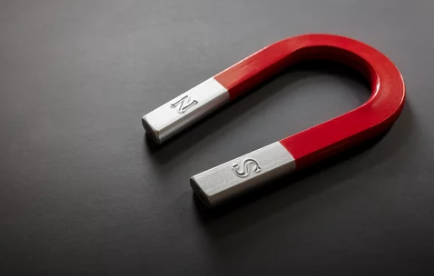
The magnet test is one of the easiest ways to make a quick check. Most carbon steels are magnetic, so a magnet will usually stick to them. Even if the surface has a coating or plating, the magnet can still be attracted to the carbon steel underneath. However, a thicker coating may make the magnetic pull feel weaker.
Stainless steel is more complicated. Whether it is magnetic mainly depends on its internal structure. Based on the categories discussed above, the table below gives a general guide.
Magnetic Behavior of Common Stainless Steel Types
| Stainless Steel Type | Common Grades | Magnetic Behavior |
|---|---|---|
| Austenitic stainless steel | 304, 316, 316L, 201, 202 | Usually non-magnetic or slightly magnetic |
| Ferritic stainless steel | 430, 409, 439, 444 | Magnetic |
| Martensitic stainless steel | 410, 420, 440C | Magnetic |
| Duplex stainless steel | 2205, 2507 | Magnetic or moderately magnetic |
| Precipitation-hardening stainless steel | 17-4PH, 15-5PH | Usually magnetic |
As shown in the table, austenitic stainless steel has the highest production volume. It is usually non-magnetic or only slightly magnetic. Many pharmaceutical machines use this type of stainless steel, such as capsule filling machines.
So, before checking a machine or product with a magnet, it is better to know what material it is usually made of. Then you can use the magnet test to support your judgment.
In other words, a magnet test is not final proof. It works better as a quick, basic check.
Weight and Density
- Density = Weight ÷ Volume
First, the density difference between steel and stainless steel is very small. Their density is usually around 7.7 to 8.0 g/cm³. Because of this, this method works better for materials with a clear density difference, such as aluminum or copper.
The following table shows the densities of common materials for reference only.
| Material | Density |
|---|---|
| Aluminum | 2.70 g/cm³ |
| Zinc Alloy | 6.60–7.10 g/cm³ |
| Cast Iron | 7.10–7.30 g/cm³ |
| Carbon Steel | 7.85 g/cm³ |
| 304 Stainless Steel | 7.93 g/cm³ |
| 316 Stainless Steel | 7.98 g/cm³ |
Rust Check
This is another simple way to test stainless steel. Ordinary steel rusts quickly when it touches water or stays in a humid place. After just a few days, you may see brown or reddish spots forming on the surface.
Stainless steel behaves differently. It contains chromium for better protection. This layer protects the metal from reacting with air and water. Therefore, stainless steel does not rust easily in a humid environment.
You can also run a small moisture test on the equipment surface. Place damp gauze on one area and leave it for several days, then check for rust spots. Keep in mind that this test may cause corrosion. If rust forms, it can create a contamination risk and damage the surface.
Spark Test
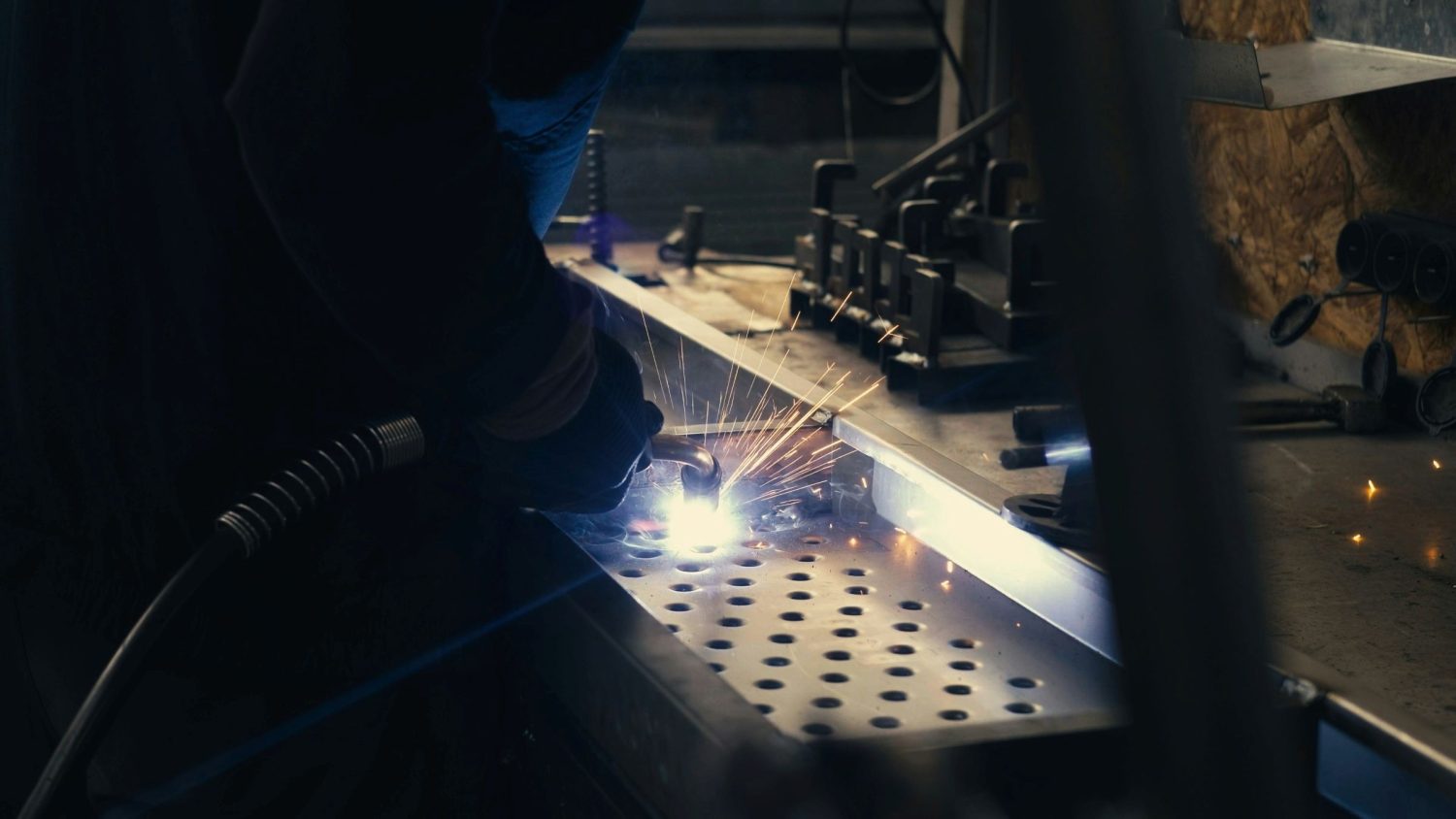
If you want to know how to tell if stainless steel is real, a spark test is one traditional method. It is often used in workshops or factories. In the test, a bench grinder is needed to contact the metal. Then, the sparks will come out. Different metals create different spark patterns and colors.
When carbon steel touches the grinder, it produces bright yellow or orange sparks. The sparks are usually long, straight, and energetic. The higher the carbon content, the more intense and branching the sparks become.
Stainless steel, however, produces shorter and fewer sparks. The sparks are usually red or dark orange, and they do not spread as far. As a result, the sparks appear softer and darker compared to carbon steel.
Please note: A spark test creates hot sparks and can be unsafe. It should not be done by untrained people. The person doing the test should wear proper protection and work in a well-ventilated area. This method can also damage the product surface.
Chemical Test
The chemical test for stainless steel is more accurate in confirming whether a metal is stainless steel. This method is often used in large factories or quality control labs. It applies a small amount of nitric acid to the metal surface. Then you can see how it reacts.
When the material tested with nitric acid is stainless steel, there is usually no strong reaction. This is because stainless steel has a protective layer that helps keep the acid from damaging the metal. This protection is not just a surface coating. Stainless steel is an alloy, so even if the surface is cut open and the inside is tested, the result is usually the same.
In contrast, ordinary steel or iron reacts quickly with nitric acid. It may leave brown stains, bubbles, or rust marks. These reactions show that the metal is not stainless steel. If the metal has a plated or coated surface, the base metal underneath can be tested instead.
Please note: Nitric acid is a highly corrosive chemical. Do not try this test unless you are trained. A professional should perform it with proper safety protection in place. This method can also damage the product being tested.
Final Thought
Knowing how to identify stainless steel can help you feel more confident when choosing products or equipment. Simple checks, such as looking at the surface, checking the label, testing magnet response, measuring density, and watching for rust, can help you make a basic judgment.
Spark tests and chemical tests can give more accurate results, but they should only be done by trained professionals with proper safety protection.
In food and pharmaceutical manufacturing, stainless steel quality is especially important. Before placing an order, always confirm the stainless steel grade and choose a reliable supplier.