Manual capsule fillers are popular powder filling equipment in the pharma and supplement industries. Many capsule manufacturers like it because of the low price and easy operation. This tool has been on the market for many years. Early versions were simple plastic trays used in small pharmacies. Later models became stronger, and they have better plates, smoother operation, and more stable capsule loading. Even with many automatic machines in the industry today, the manual capsule filler is still a common choice for small manufacturers. They always want a basic and low-risk way to make capsules.
What is a manual capsule filler?
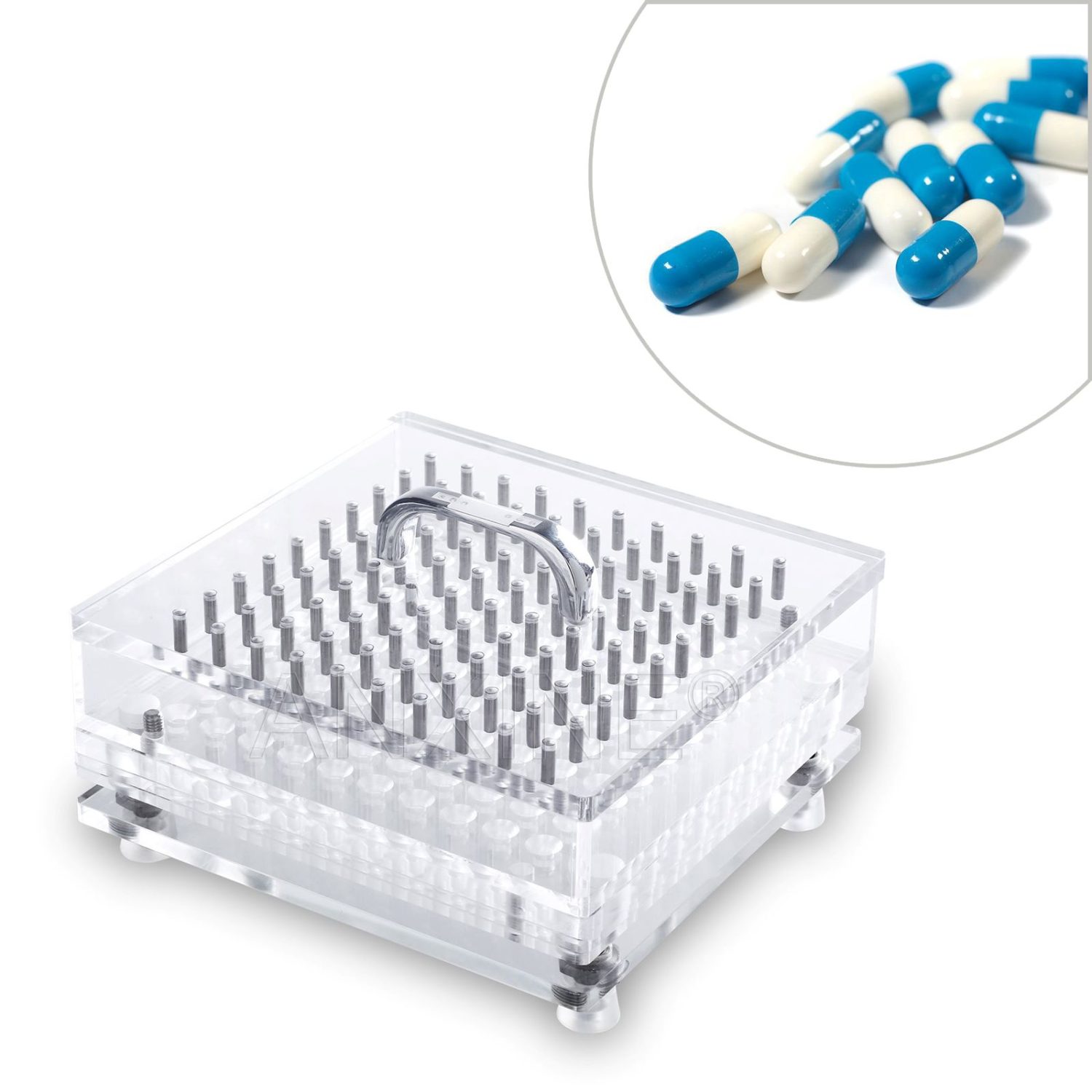
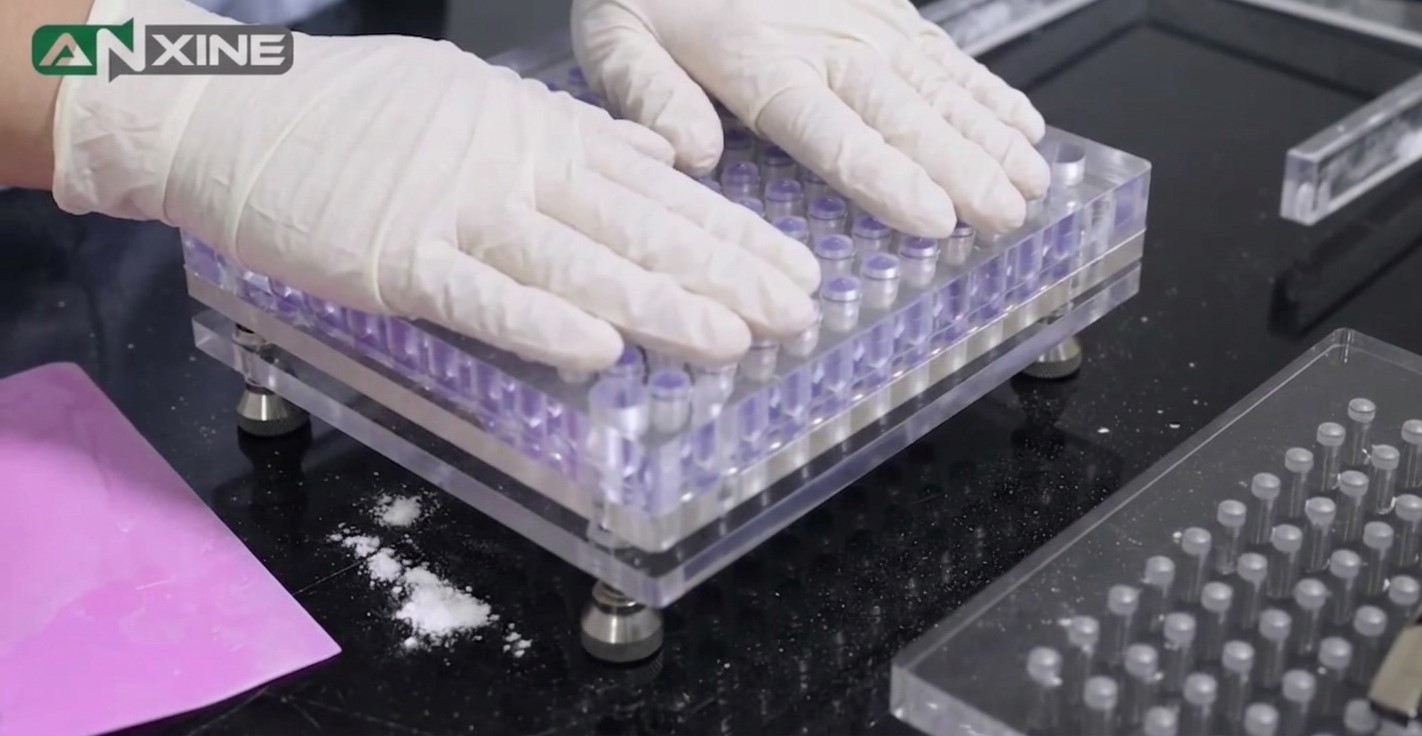
This is a small filling tool, usually about the size of a book or a lunchbox. It helps people fill empty capsules by hand. The machine has two trays that hold the capsule bodies and caps in place. The tool does not use electricity, and all steps are controlled by human effort. This makes it easy to start for small brands or for people who only need limited output.
Most manual fillers are suitable for common capsule sizes such as 00, 0, 1, 2, and 3. These sizes cover most supplement and herbal products on the market. You just need to choose a size that matches your formula and capsule amount. In addition, 100-hole and 200-hole designs are the most common types of manual capsule fillers. Many manufacturers can also make other capacities, such as 50 holes, 120 holes, or 150 holes. However, as the number of holes increases, the size of the tool becomes larger, and the price also goes higher.
The tool is mainly used for dry materials. Fine powders such as herbal blends, vitamins, minerals, nootropic mixes, or simple nutrition formulas are filled well. Some fillers can also handle small pellets or tiny beads, as long as the material flows easily and does not stick to the tray. This makes the manual capsule filler a flexible choice for many small projects.
Pros and cons of capsule filling equipment
The main benefit is that this model features the lowest price. So, many small brands and beginners can afford it without pressure. A manual capsule filling machine is also easy to operate. It features a simple filling process and does not need electricity. The model could work in any small room, like on a desk. This way reduces the risk of breakdowns.
This type is ideal for small batches. It is really helpful to test new formulas, make custom blends, or run small orders. These advantages make the manual capsule filler a friendly option for first-time users and small supplement projects.
However, it may lead to inconsistent weight and powder loss because of hand filling. Some powder can spill during spreading and tamping. Sticky or fine powders may stick to the trays or spreader, causing material waste. Moreover, a manual capsule filler is not suitable for medium or large production. If you want higher output, you’d better consider a semi-automatic capsule filler or an automatic capsule filling machine.
How does a manual capsule filler work?
Load empty capsules into trays
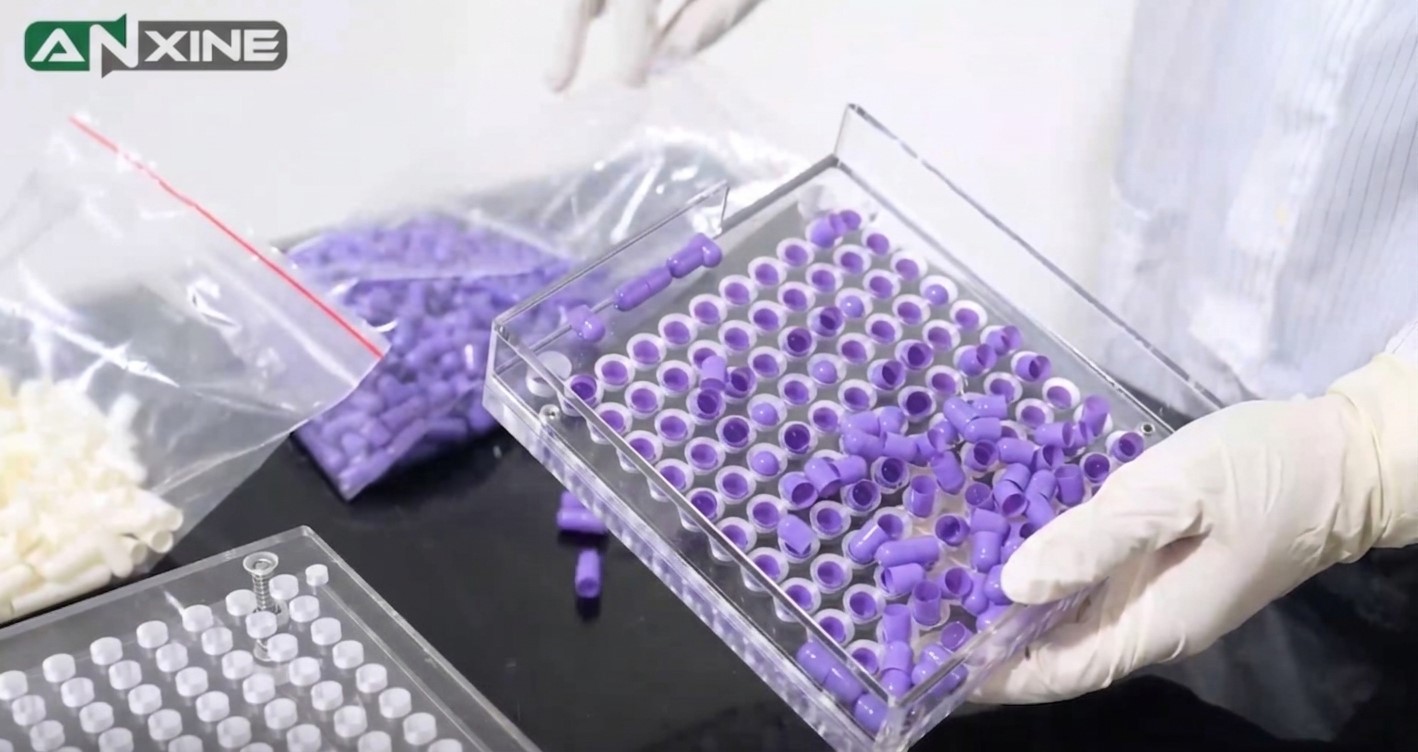
At first, the user pours empty capsules onto the capsule loading tray. A small shake or a gentle tap helps the capsules drop into the holes correctly. Then the user needs to check that all holes hold one capsule and no caps sit upside down.
Separate caps and bodies
Next, the operator places the separation plate on top and pushes it down. This step separates the capsule bodies and caps. Then the cap tray is removed and the bodies are opened to be filled. The user should check both trays to make sure no piece is stuck or missed.

Fill powder into capsule bodies
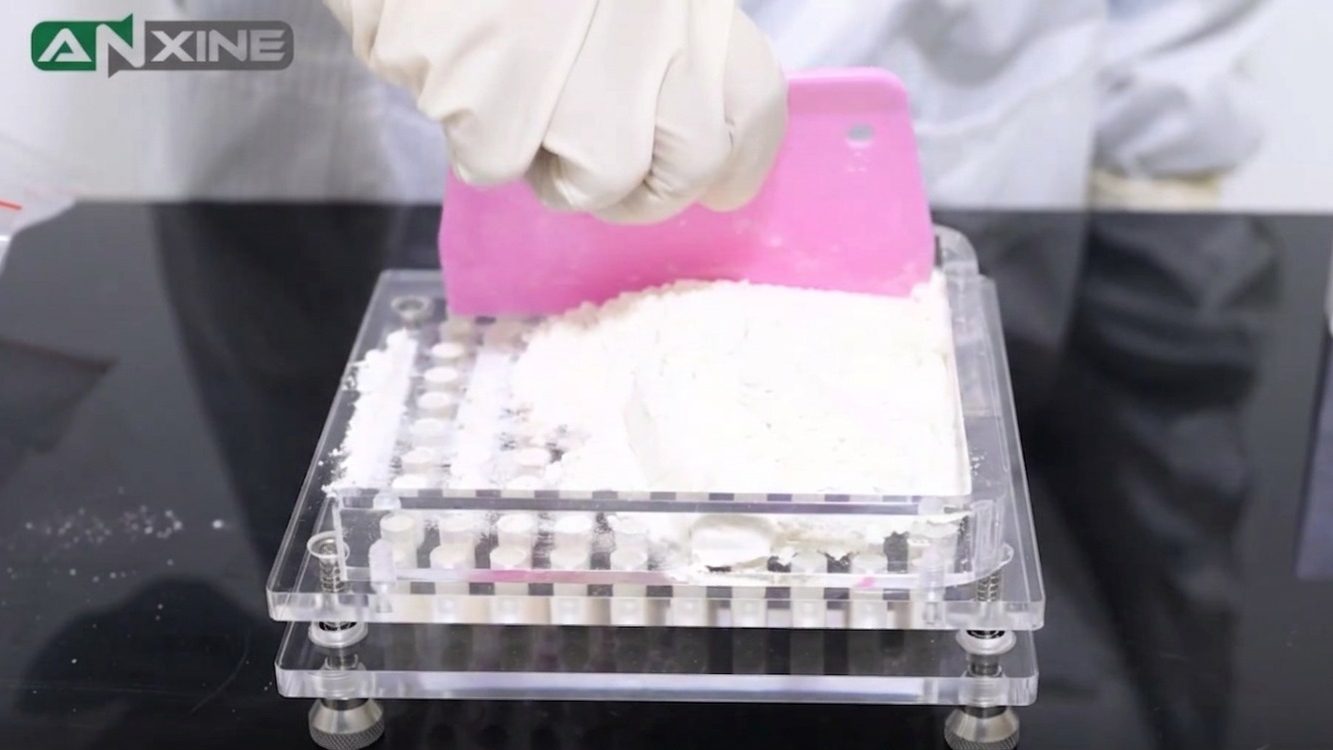
Then, the user puts the powder on the body tray. Then a powder spreader is used to spread and fill powders into each capsule body. This step is important for dosage control. The user needs to work slowly to avoid spills and to keep the fill level even.
Press powder with the tamping tool
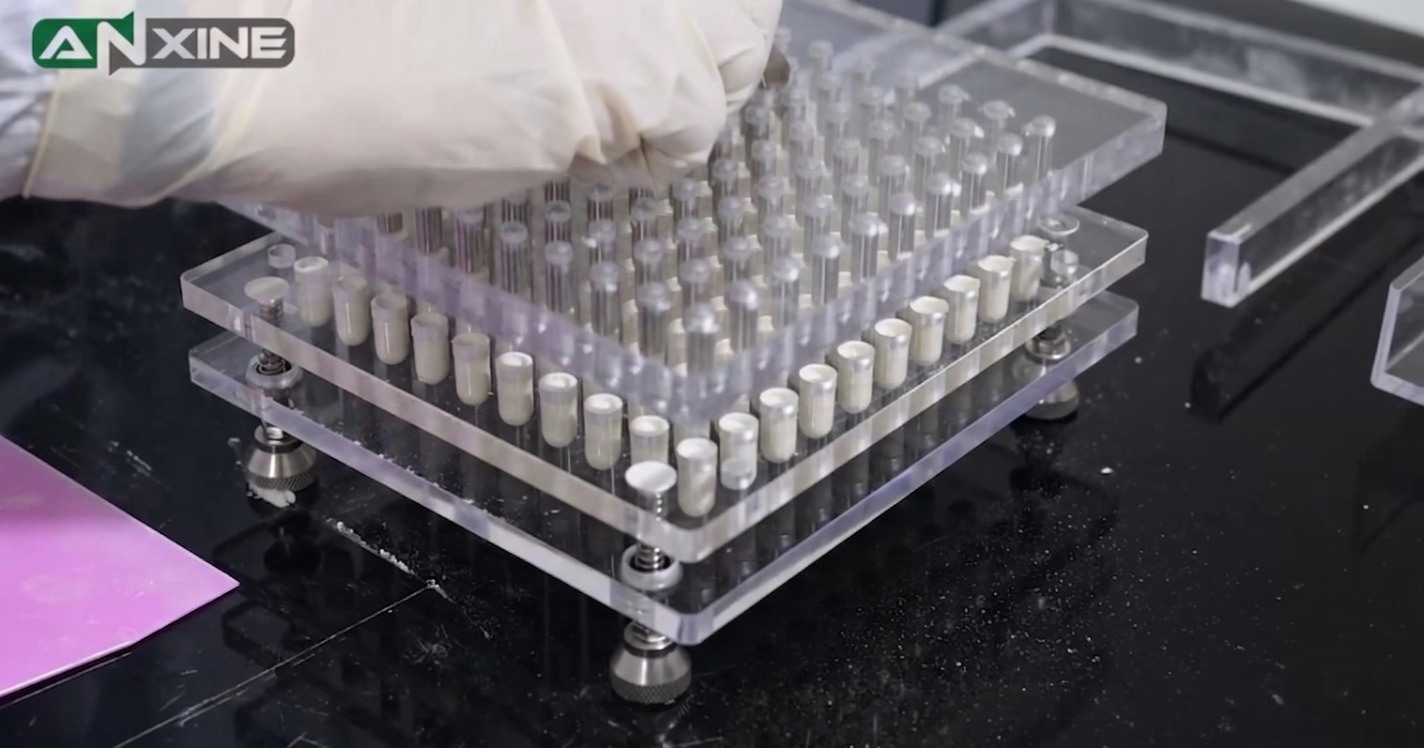
Next, the tamping tool is needed to press the powder inside the capsule bodies. This step compacts the powder and creates space for more material. The operator should press across the whole tray to keep the fill stable.
Add more powder
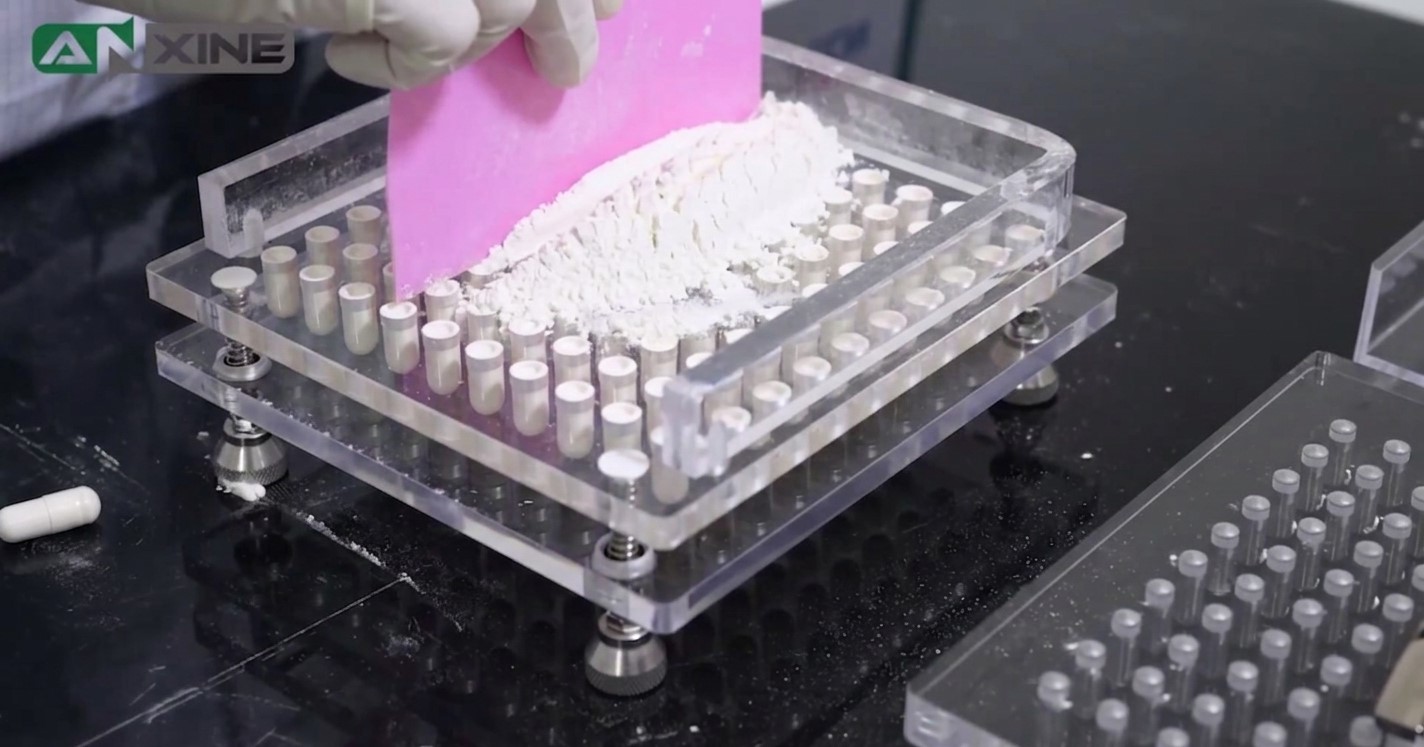
Then, it is always necessary to add another layer of powder after tamping. The step above can be repeated until the capsule bodies reach the desired fill level. You may check one or two capsules with a scale to see if the weight is right.
Capsule sealing
Next, it is time to place the cap tray back onto the body tray. With the locking plate, the user presses both parts together so the capsules could lock tightly. This creates a tight seal that prevents opening during handling.
Empty finished capsules
Finally, the user removes the trays and releases the completed capsules into a clean container. The capsules should be further checked for broken pieces or loose caps. Please remember that the trays and tools need to be cleaned before starting the next batch.

How to maintain manual capsule filling equipment?
Cleaning is necessary. You should clean the trays, plates, and tools after every batch. This avoids cross-mixing between formulas. Mild cleaning methods are also needed. For most fillers, warm water and mild soap are enough. Stainless steel models can be washed more frequently, while plastic trays should avoid very hot water to prevent bending. All parts must be fully dry before the next use, because moisture can make powders clump.
It is also a must to check loose or worn parts. If a plate becomes loose or a part does not sit flat, you should adjust it before the next batch. Some suppliers offer spare parts, such as spreaders or tamping tools. In addition, storage conditions are a factor. A manual capsule filler should be stored in a dry place to keep it from moisture and dust. Humid air can affect the trays and make future cleaning harder.
How to choose a good manual capsule filler?
Capsule size range
A good manual capsule filler should match the capsule size you want to use. Most fillers work with common sizes such as 1, 2, and 3. Some models only support one size, while others allow users to change plates for different sizes. A fixed-size model is cheaper, but a changeable model is more flexible. If you have several formulas, it is better to buy a flexible one.
Materials
Manual capsule fillers are usually made of two main materials: plastic and stainless steel. Plastic models are lighter and cheaper. They work well for home use or very small projects. Stainless steel models are stronger and more stable. They have a longer service life. Stainless steel models are more suitable for herbal powders that may scratch or stain plastic.
After-sale support
A reliable supplier should provide on-time communication, clear instructions, and technical help. Some suppliers also offer replacement trays, or auxiliary tools. Good support can save time when you are new to capsule filling or when you want to upgrade later. Choosing a supplier with stable service makes the whole process smoother and reduces future problems.
Get high-quality manual capsule fillers from Anxine for more efficiency
As a leading manufacturing company in China, Anxine offers many types of capsule filling machines. They are designed on different automation levels, including manual and automatic models. We also support customization to meet your needs. Whatever you want more holes or different sizes for manual capsule fillers, just tell us. We can fully manufacture the equipment fully based on your requirements.
Moreover, we offer a comprehensive one-year warranty on all our machines. During this period, you could enjoy free replacement parts without shipping costs. The warranty also includes free on-site service. Our professional technicians can assist you directly at your facility for better performance.