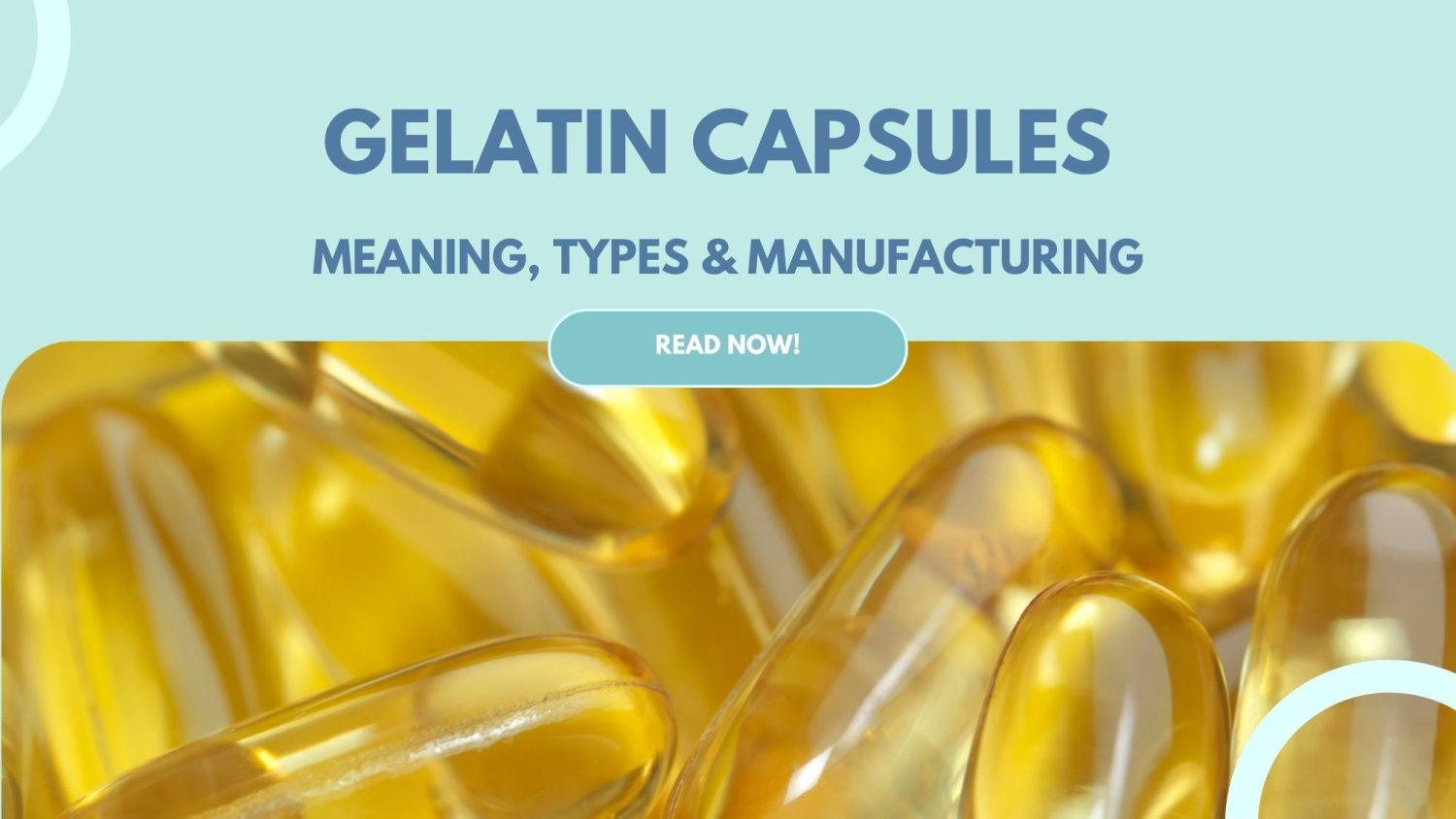
Everyone would take gelatin capsules for health benefits. They play an important role in the dosage form to hold powders or liquids. These capsules have become a familiar part of daily health.
What are gel capsules made of?
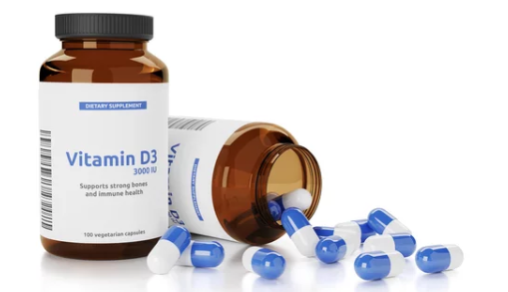
As the name says, gelatin is an important ingredient from animals. This material makes the capsule easy to swallow. Besides gelatin, other ingredients are added. They work together to improve the quality and stability. Common ingredients include
- Water. It keeps the capsule flexible and prevents it from being too hard or brittle.
- Plasticizers, such as sorbitol. They make the capsule softer and more elastic.
- Coloring agents. They are always used for an attractive appearance or to help distinguish different products.
- Preservatives or flavoring agents. They can be added based on your needs.
Together, these ingredients create a capsule shell that is strong enough to hold the drug or supplement. The gelatin shell also dissolves quickly in the stomach for fast absorption.
Benefits of gelatin capsules
Gelatin capsules have many advantages. Their smooth surface and simple shape make them more comfortable to swallow. They also make the smell and taste better. This is important for ingredients with strong or unpleasant flavors. Another benefit is their fast dissolution in the stomach. This allows the body to absorb the active substance quickly.
Gelatin capsules vs vegetarian capsules
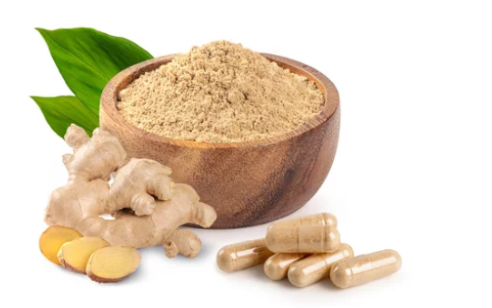
Gelatin and vegetarian capsules have many differences. The first key one is the ingredients. Vegetarian capsules are produced from plant-based materials such as HPMC or pullulan. They are suitable for vegetarians or people who can’t eat animal products. Compared to gelatin capsules, veggie capsules are more expensive. Because the manufacturing process is more complex.
Gelatin capsules are widely accepted by most people. Vegetarian capsules provide an alternative for people with dietary or lifestyle limits. Manufacturers often decide which type to use based on the target market and customer preference.
Two categories of gelatin capsules
Hard capsules
This type consists of a body and a cap. They are usually filled with dry powders, granules, or tiny pellets. These capsules are rigid, and they maintain their shape well. Hard gelatin capsules are always used for vitamins, herbal supplements, and prescription medicines that require precise dosing.
Soft capsules

Soft gelatin capsules are integrated with a continuous shell. They could contain liquids, oils, or semi-solid substances. Softgels feature a soft and elastic shell. It allows for easy swallowing and protects sensitive ingredients, such as fish oil and fat-soluble vitamins. Different from hard capsules, soft gelatin capsules can be customized in different shapes, including oval, round, etc.
How to manufacture gelatin capsules?
Hard and soft capsules have different manufacturing processes. Here, I take the hard gelatin capsules for example.
Material preparation
At first, capsule makers need to prepare all the raw materials they need, like gelatin. Before use, each raw material needs to conduct laboratory testing for microbiological safety, heavy metals, and physical properties. Only approved batches move into production.
Gelatin mixing
Next, dry gelatin is soaked in cold purified water for full hydration. The mixture is then heated gradually in jacketed mixing tanks, typically to around 50-70°C. It turns into a clear and homogeneous solution after a while. Temperature and mixing speed need to be carefully controlled to prevent gelatin protein degradation and to achieve the target viscosity. It directly affects the final capsule wall thickness.
Then, other ingredients, such as plasticizers and colorants, are added and mixed thoroughly.
Capsule shell forming
In this step, rows of stainless steel mold pins are preheated to the required temperature and dipped into the gelatin solution. The pins then come back out, and a thin gelatin film sticks to the surface of each pin.
The wall thickness of the capsule shell depends on several factors, including
- The viscosity and temperature of the gelatin solution.
- The dwell time of the pins in the solution.
- The withdrawal speed.
- The temperature and humidity in the forming area.
Typical capsule shell wall thickness ranges from about 0.07 mm to 0.15 mm. It depends on capsule size and design.
Drying and packaging
Then, they move into a drying tunnel. Gentle air and relative humidity removes moisture slowly to prevent cracks. The drying process usually takes several hours. It is carefully controlled to avoid defects such as brittleness, deformation or stress cracks. The final moisture content of hard gelatin capsules is typically controlled in a narrow range like 12–16%.
Once the shells reach the specified firmness, they are stripped from the pins and cut to form the capsule body and cap. The two parts are then joined and polished. During inspection, capsules are checked for visual defects like cracks and for critical dimensions, such as length and diameter.
Common capsule sizes and fill capacities
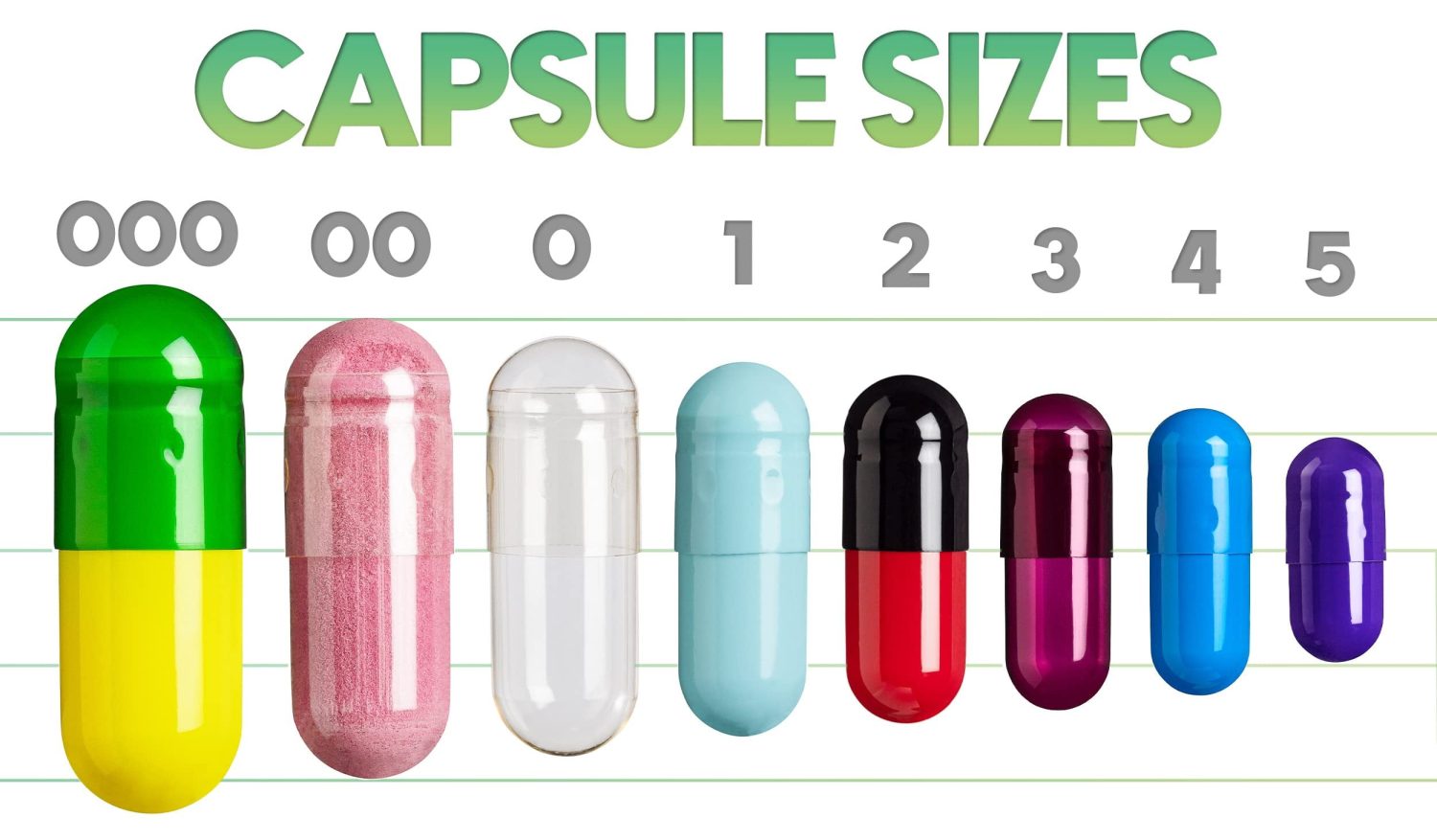
Hard gelatin capsules are manufactured in standard sizes, usually from #000 to #5. The larger the number is, the smaller the fill capacity is. Although the capsule size is the same, the filling volume can differ due to the target dose and powder density. For example, the size #000 could contain 822 mg when the density is 0.6 g/ml and 1096 mg with a density of 0.8 g/ml. For detailed information, you can check the article about capsule sizes.
Three common machines used for gelatin capsules
As capsules are the most popular dosage form, they could be used with many machines. Here are some examples for capsule production and filling.
Capsule filling machines
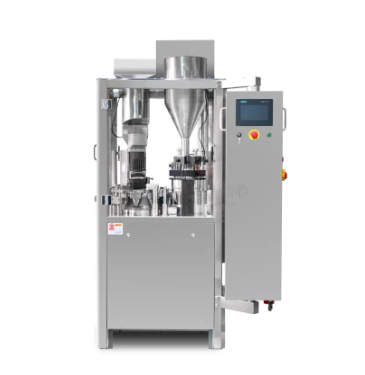
These machines are used to fill capsules with different products. Depending on the machine design, they can handle powders, granules, pellets, or even liquids. The capsule filling machine separates the cap and body of each capsule, fills the body with the correct amount of material, and then closes it again. Their function is to ensure each capsule has a uniform dose and safe use.
Based on automation levels, capsule fillers could be divided into three types: manual, semi-automatic, and fully automatic ones. Manual models are the cheapest, but they feature low efficiency. So they are always used for small production, like workshops. Fully automatic capsule filling equipment automates the whole process from filling to sealing. They feature the highest efficiency, but the price is also the highest. Large-volume production will prefer this type. Semi-automatic models balance the cost and efficiency. You can choose the most suitable one based on your needs.
Inspection machines
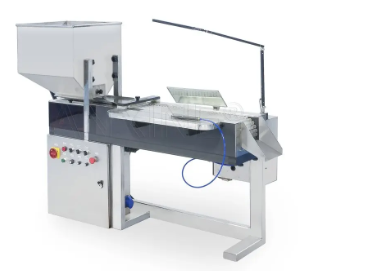
Capsule inspection machines may use high-resolution cameras, optical sensors and sometimes weight checking systems. They can automatically detect and reject capsules with defects such as dents, cracks, incomplete filling, color deviation or incorrect printing. In the pharma industry, visual inspection is often required to ensure that only qualified capsules are released.
Polishing machines
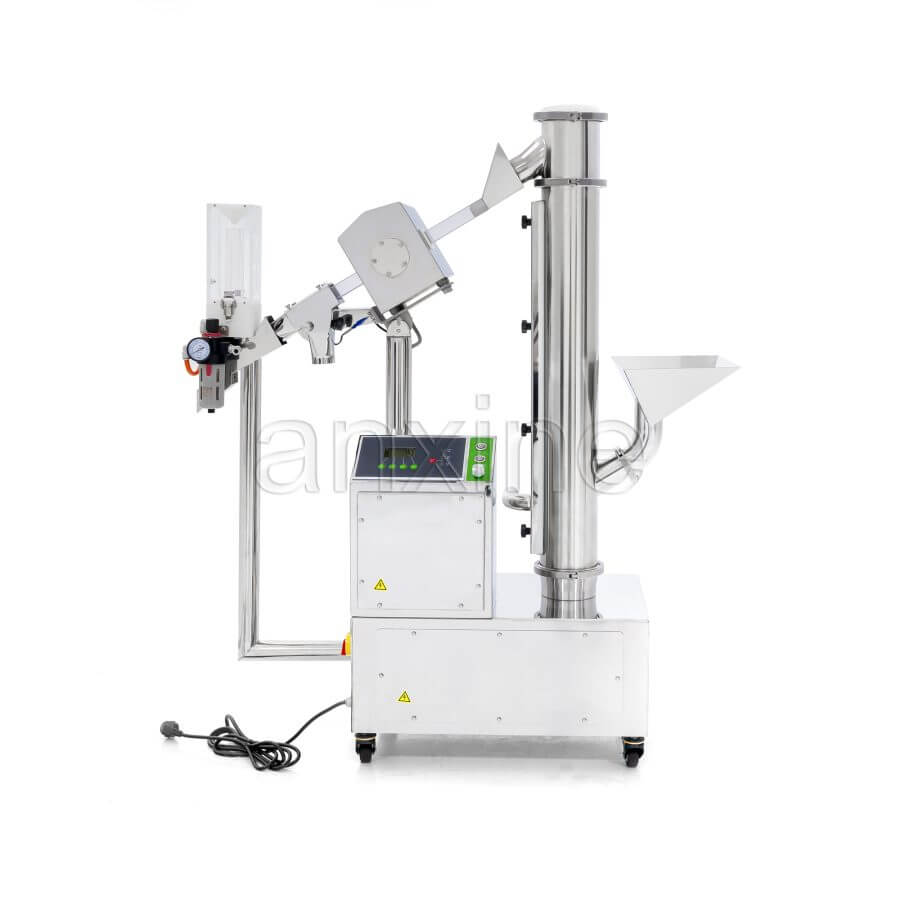
The capsule polishing machine is designed to clean and improve the appearance of capsules. They remove any dust or excess powder from the capsule surface. This gives capsules a smooth and glossy finish that looks more attractive.
The end
Gelatin capsules are popular for their smooth texture, ease of swallowing, and versatility for different medicines. As demand continues, gelatin capsules will keep playing an important role in healthcare and nutrition.