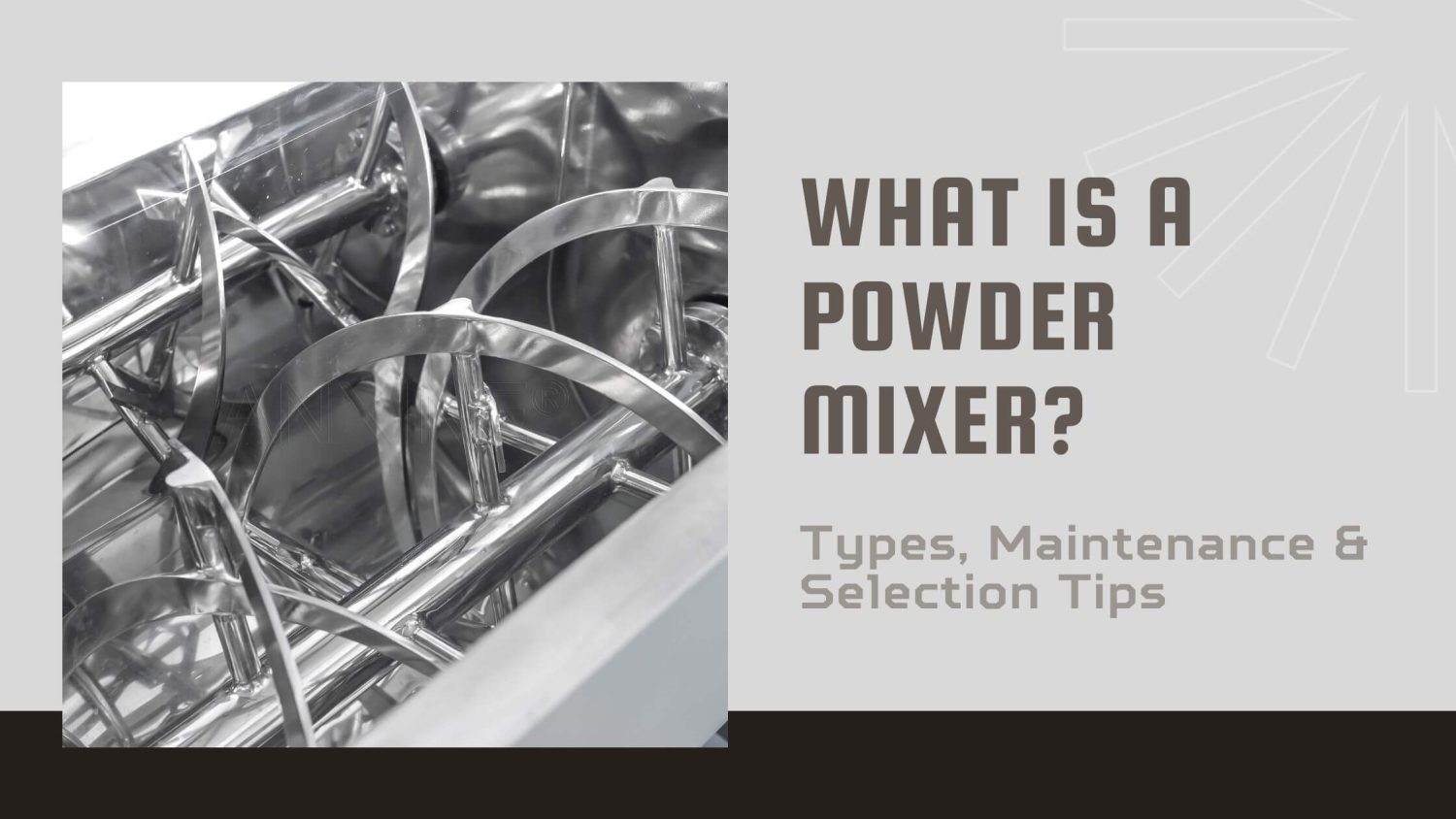
Consistent powder mixing plays a key role in many industries, ranging from pharmaceuticals to food and chemicals. So a high-quality powder mixer is important. It supports making uniform blending and consistent powder quality. This article helps you have a clear understanding of powder mixers and know how to use them better.
What is a powder mixer?
A powder mixer is equipment used to blend dry materials into a uniform mixture. Through mixing, different powders could spread evenly to achieve the same composition. This directly influences the safety and effectiveness of the final products.
Benefits of powder mixers
Powder mixing machines offer many benefits in different production lines. They improve product quality and make the process more reliable. Major advantages include
- Consistent mixing quality. A powder blender could create a uniform blend for stable product performance.
- Better production efficiency. The powder mixing machine reduces manual work and shortens mixing time. It increases output and keeps the process steady.
- Various material handling. Powder mixers can handle different particle sizes and densities. They are suitable for many types of dry materials.
- Support for industry standards. In many areas like pharmaceuticals, consistent mixing is important for quality control to meet related requirements.
What is a powder mixer used for?
Because of their important function, powder mixers are used in many production areas.
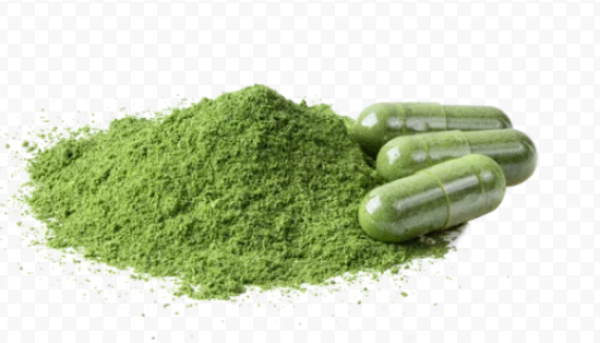
- The pharmaceutical industry. Powder mixers are used to mix active ingredients and excipients. It makes each tablet or capsule has the correct dosage.
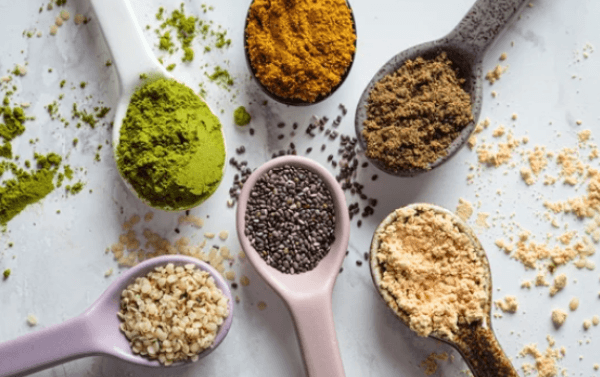
- Food production. They are used to mix ingredients such as flour, sugar, and additives.
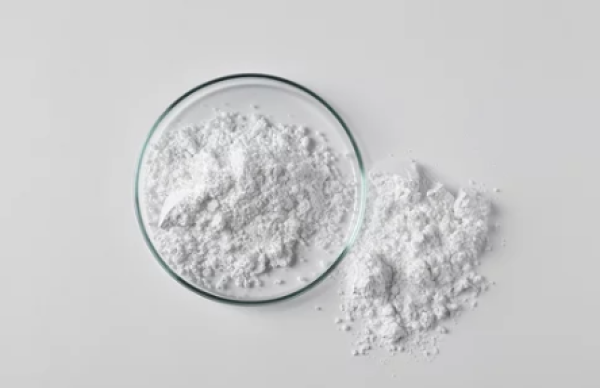
- The chemical area. Powder blenders handle materials such as pigments, detergents, and fine chemicals.
- The nutraceutical industry. They are used to mix vitamins, minerals, and other supplements.
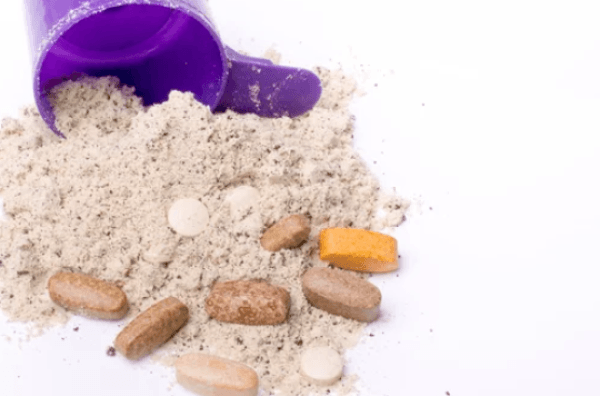
What is the powder mixing method?
A powder mixing machine works based on different mixing methods at the same time. These methods move particles in different ways and form a uniform mixture. Among them, convection mixing, shear mixing, and diffusion mixing are the most common. Each method has a different role in the mixing process.
Convection mixing: basic uniformity
During this method, the material forms a large-scale movement of powders. Materials circulate inside the container and change position continuously. It achieves basic uniformity in a short time. The convection mixing also removes the initial separation of different ingredients. This mixing method is always used in industrial ribbon blenders and paddle mixers.
Shear mixing: breaking agglomerates
The principle of shear mixing is that the mixer applies force between powder layers. This force breaks agglomerates and spreads fine particles into the bulk material. It improves the distribution of small-dose ingredients and enhances overall uniformity after initial mixing. This mixing method is always used in high shear mixers and some ribbon mixers with choppers.
Diffusion mixing: refining uniformity
This mixing method is based on the random movement of individual particles. Small particles move into the gaps between larger ones, and different components mix at the microscopic level. This process improves uniformity at a micro level and makes the mixture more stable. It also reduces subtle differences in composition and achieves high uniformity. Typical industrial mixers include V blenders and bin blenders.
What are the common types of powder mixing machines?
There are many types of powder mixers used in real production. Each type has its unique advantages and applications. Here are some common types.
V blender machines
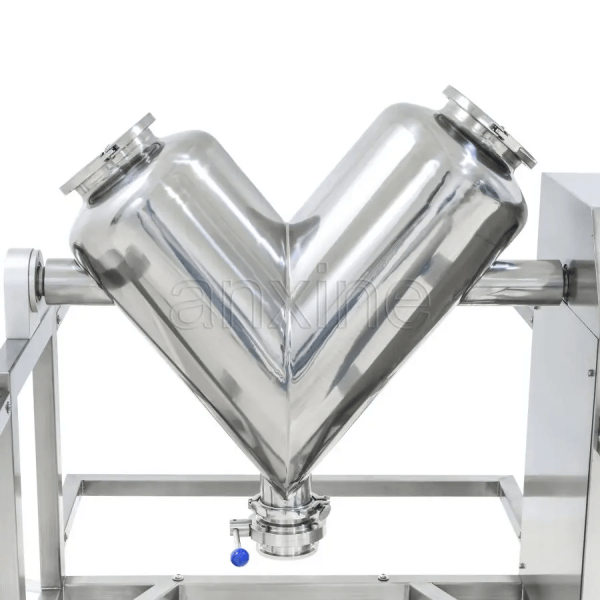
The V blender has a V-shaped container that rotates around its axis. The rotation causes powders to tumble gently, and particles can move from one side to the other repeatedly. This gentle tumbling avoids high shear, so it is ideal for fragile or brittle powders. It also works well for free-flowing powders and granules in pharmaceuticals, chemicals, and food. The blender makes uniform micro-level distribution without damaging sensitive ingredients.
3D powder mixers
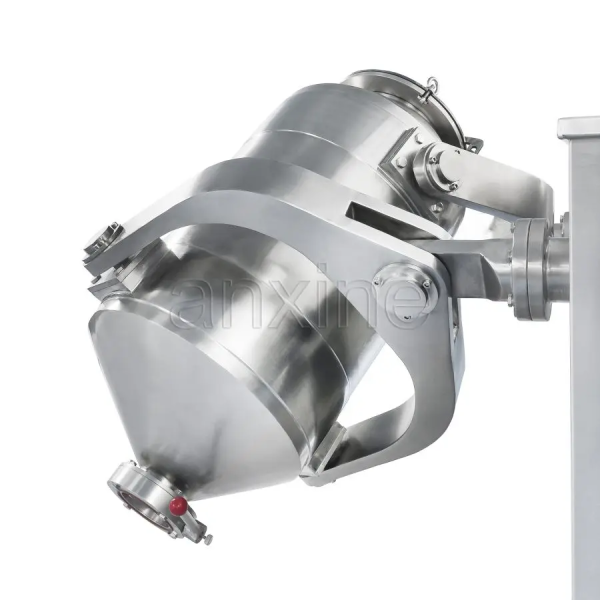
The 3D powder mixer moves powders along multiple axes. It combines rotation, tilting, and lifting motions. This produces a complex three-dimensional flow. The motion spreads particles evenly and reduces dead zones. This machine handles powders and granules of varying densities and sizes. It is suitable for dust-free blending of delicate or multi-component materials.
Horizontal ribbon blender machines
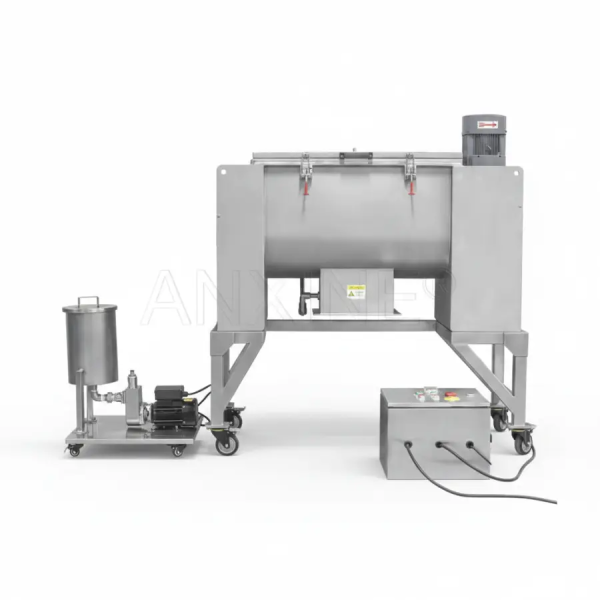
A ribbon blender has a horizontal U-shaped or cylindrical container with a double-helix ribbon agitator. The ribbons move powders in opposite directions. This creates convection and shear mixing simultaneously. This mixing equipment features large-scale circulation and medium shear force. The circulation distributes powders quickly, while the shear force breaks small lumps and ensures uniformity. Ribbon blenders are highly efficient, suitable for dense powders and powder-liquid mixtures. It is always used in large-volume production.
Trough mixers
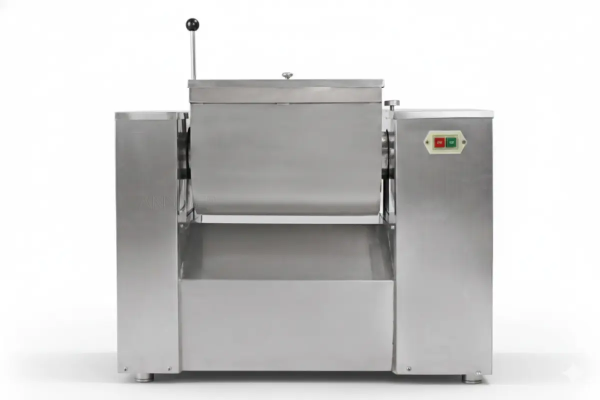
The trough mixer uses a long and open horizontal trough with a central rotating agitator. The agitator moves powders forward and backward for convection mixing. Its design allows materials to flow along the trough length, leading to even blending in large batches. This mixing machine is suitable for free-flowing powders, granules, and slightly cohesive materials. The open structure makes it easy to load, clean, and maintain.
Cone blender machines
The cone blender has a vertical conical container that rotates slowly around its axis. Powders flow down along the walls and move upward at the center. This process minimizes shear and preserves particle integrity. It is ideal for fragile, heat-sensitive, or free-flowing powders. The gentle tumbling makes a uniform micro-level distribution while preventing degradation. Cone blenders are divided into single and double cone blenders. You can choose one based on your production needs.
You can check the following chart to see which type suits your business better.
| Type | Total volume (L) | Mixing method | Feature | Best for |
|---|---|---|---|---|
| V Blender | 1-50, 100-3000 | Diffusion | Gentle tumbling, and low shear | Free-flowing and fragile powders |
| 3D powder mixer | 1-600 | Convection + diffusion | Multi-direction movement with no dead zones | Powders with different densities |
| Ribbon blender | 50-1800 | Convection + Shear | Fast mixing, and strong circulation | Dense powders, powder-liquid mixing |
| Trough mixer | 10-500 | Convection | Simple structure, and steady mixing | General powders and granules |
| Cone blender | 200-5000 | Diffusion | Gentle mixing | Heat-sensitive and fragile powders |
How to select a suitable powder mixer?
A good powder mixer is important for the final powder quality and efficient operation. The following factors need to be considered.
Material properties
Powder characteristics affect mixing performance. Particle size, density, and flowability are all important. Free-flowing powders work well with gentle mixers, while cohesive powders need stronger mixing force. Also, you may check the chart above to see which one is much better.
Mixing uniformity
Different products need different levels of uniformity. Some applications require basic blending, while others need precise distribution of small-dose ingredients. This requirement decides the mixing principle and machine type you need to choose. For a simple food powder such as seasonings, small differences are acceptable. Basic blending is enough, so a convection-based mixer can meet the need. By comparison, in a pharmaceutical formula, the amount of active ingredient should be precise and uniform. In this way, the mixing equipment should achieve high uniformity, so diffusion mixing is required.
Batch size
Daily production scale affects machine selection. Large batches need high-capacity mixers that can handle a lot of material at once. On the other hand, small batches require mixers that allow easy adjustment of quantities and faster changeovers. The production time is then less and the efficiency is higher. The mixer should match your daily output and process flow.
Compliance and standards
In some industries that have strict requirements like pharmaceuticals and food, the mixer should comply with GMP or FDA regulations. It guarantees product safety and quality consistency.
How to maintain a powder mixer for better performance?
Proper maintenance makes the mixer produce powders with stable quality and extends its service life. When you use a powder mixing machine, regular maintenance is needed.
Regular cleaning
You’d better clean the machine when mixing different powders for next batch. Residues can cause contamination or affect the next batch. It supports
- Dry cleaning or a vacuum for most powders.
- Wet cleaning if the material is sticky or oily.
Please note that all parts should be fully dry before the next use.
Check key components
Important parts should be checked regularly to prevent unexpected failure. You may
- Inspect if gaskets wear or not.
- Check bearings and moving parts for noise.
- Inspect if fasteners and connections are tight.
- Check cables and wiring for damage.
- Test control panels and emergency stop button
You have to disconnect the power supply before maintenance and cleaning for safe operation.
Lubrication
Lubrication is also necessary for less wear. It is suggested to follow the manufacturer’s lubrication schedule and use food-grade lubricant if required in food or pharma production. It makes the mixing machine operate more smoothly.
Data recording
You can keep the data of regular maintenance, like date and time, abnormal noises, etc. They should clearly show what was done, and how the machine work. Then, if problem appears, you can trace more easily and avoid repeated mistakes.


