People often see creams, ointments, lotions, and gels on pharmacy or skincare shelves. In pharmacies, they are common forms for delivering medicines to treat skin problems or relieve symptoms. For cosmetics, they can improve skin conditions. Although these products may seem similar at first glance, their composition and texture lead to very different effects.
Understanding Common Topical Formulations
Before making a comparison, it’s better to first clarify what a cream is, what an ointment is, and what lotions and gels are.
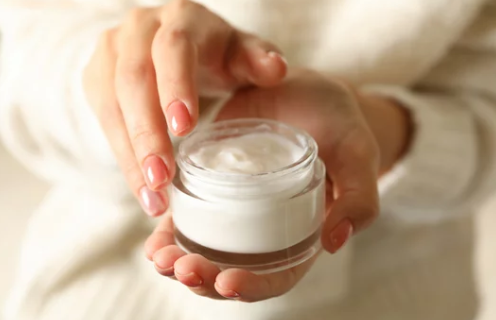
What is a cream?
A cream is a smooth and light topical product. It is made mainly from a mixture of water and oil. It features a soft and non-greasy texture that absorbs easily into the skin. Most creams are made as an emulsion. In this way, small droplets of oil are mixed with water with stabilizers or emulsifiers. They often include preservatives to prevent bacterial growth, since the high-water content can allow microbes to form.
What is an ointment?
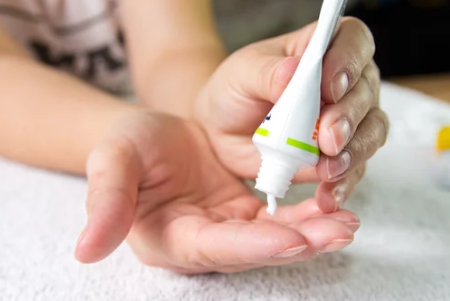
An ointment is a thick, oil-based topical product. It is designed to protect and heal the skin. An ointment is made mostly from fats and oils. It can stay on the surface longer than a cream. The common ingredients to make ointments include petrolatum, mineral oil, and lanolin. They help form a barrier that locks in moisture and protects the skin from air or bacteria. Unlike creams, ointments contain little or no water, so they do not need many preservatives.
What Is a Lotion?
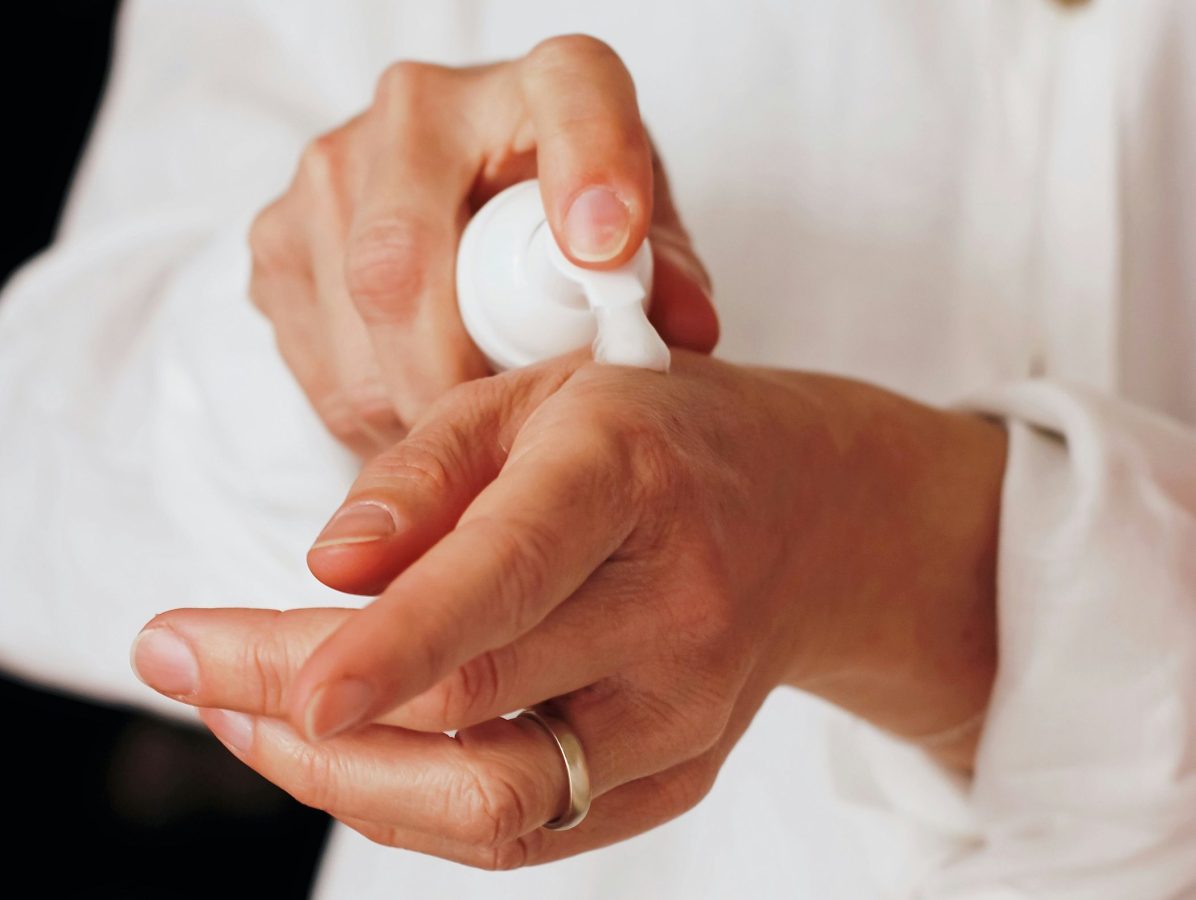
Lotion is a low-viscosity liquid or emulsion. Like other water-and-oil mixtures, it needs an emulsifier to keep the ingredients evenly blended. But lotion contains more water and less oil, so it is lighter and absorbs quickly into the skin without feeling greasy. Lotion can moisturize the skin, help deliver medicine, and provide cosmetic and protective benefits.
What Is a Gel?
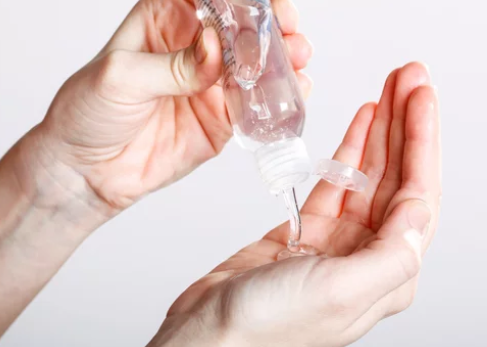
A cream is a smooth and light topical product. It is made mainly from a mixture of water and oil. It features a soft and non-greasy texture that absorbs easily into the skin. Most creams are made as an emulsion. In this way, small droplets of oil are mixed with water with stabilizers or emulsifiers. They often include preservatives to prevent bacterial growth, since the high-water content can allow microbes to form.
The table below quickly presents the differences between ointments and creams and between lotions and gels.
Comparison of Creams, Ointments, Lotions, and Gels
| Form | Composition | Appearance and Skin Feel | Common Uses | Absorption |
|---|---|---|---|---|
| Cream | Water and oil balanced | Thicker and not easily flowable, strong moisturizing effect | Face care, moisture repair, external ointment | Moderate |
| Ointment | Mostly oil or petrolatum | Semi-transparent or oily, thick and sticky, strong occlusive effect | Skin protection, very dry skin, external medicine | Slow |
| Lotion | More water, less oil | Usually white or milky white, thin and light | Moisturizing; body care; topical medication | Fast |
| Gel | Water-based, little or no oil | Clear or translucent, jelly-like, cool and quick to absorb | Skincare; drug application | Very fast |
Applications of Creams, Ointments, Lotions, and Gels
After having a basic understanding of these four dosage forms, how are they used in practice? For example, what is ointment used for, and when should you use ointment vs. cream? Let’s find out together.
Creams in Pharmaceutical and Cosmetic Products
In skincare and medicine, creams are widely used for conditions such as acne, eczema, and rashes. The main advantage of creams is that they spread easily and leave little residue on the skin. It makes them comfortable for daily use. However, because they contain more water, they may dry out faster. Then people need to apply more often to maintain the same effect.
Note: Creams are usually semi-solid emulsion products. Their emulsion system can become unstable with temperature changes. High heat may cause phase separation. So, storage conditions matter. Also, emulsifiers, preservatives, and fragrance ingredients may irritate or sensitize people with sensitive skin.
Ointments in Pharmaceutical and Cosmetic Products
Ointments are often used for dry, cracked, or damaged skin. They are also commonly used to treat burns, wounds, and skin conditions that require deep hydration. Ointments feature a strong ability to retain moisture. They could also keep the treated area soft and offer good protection for a long time. However, they have a thick and greasy texture. It can feel heavy or sticky, especially on large areas or in warm weather.
Note: Ointments have a strong occlusive effect. Because of this, they may not be a good choice for oily skin, acne-prone skin, or skin that tends to get folliculitis. They should also not be used in thick layers over large areas for a long time, since this may feel heavy or clog.
Lotions in Pharmaceutical and Cosmetic Products
For medicine, lotions are often used to deliver active ingredients into the skin. These ingredients may include antibiotics, acne treatments, or anti-itch agents. For cosmetics, lotions are used for daily skin care. They can help with moisturizing, anti-aging, and sun protection. However, because of the high-water content, they provide less moisture. Moreover, they may not protect very dry or cracked skin as effectively as creams or ointments.
Note: Lotions are easy to spread and flow quickly. If they contain irritating ingredients, they should not be used on sensitive areas such as around the eyes or on mucous membranes. Lotion-type or suspension-type products may separate or settle, so they should be shaken well before use.
Gels in Pharmaceutical and Cosmetic Products
In pharmaceutical products, gels are also effective carriers for active ingredients. They can deliver drugs such as retinoids and salicylic acid, so they are often used to treat inflammation, acne, and burns. Because of its quick absorption, they are also commonly used in pain relief and anti-inflammatory products.
In cosmetics, gels are widely used in moisturizers, serums, and masks. They help deliver ingredients well without feeling heavy on the skin. Unlike creams or ointments, gels dry to form a thin film. It offers a refreshing and non-sticky sensation but provides little moisture.
Note: Gels are more sensitive to the formula and storage conditions. Improper storage may lower viscosity, damage the gel network, or cause the structure to break down. They should not be applied too thickly. The outer layer may dry first. The inner layer may not fully form a film. When rubbed, it can pill.
What they are best for
| Best for | Cream | Ointment | Gel | Lotion |
|---|---|---|---|---|
| Skin type | Normal to dry skin | Very dry skin | Oily skin | Normal skin |
| Application area | Small-area application | Spot application | Medium-area application | Large-area application |
| Residue/greasiness | Moderate residue | Heavy residue | Light to low residue | Low residue |
Note: Whether a product is safe for broken skin depends on the full formula and active ingredients. Read the label and follow medical advice when needed.
Suitable Packaging for Different Dosage Forms
The suitable packaging is based on the differences between them. For example, the difference between cream and lotion. They are suitable for completely different packaging methods.
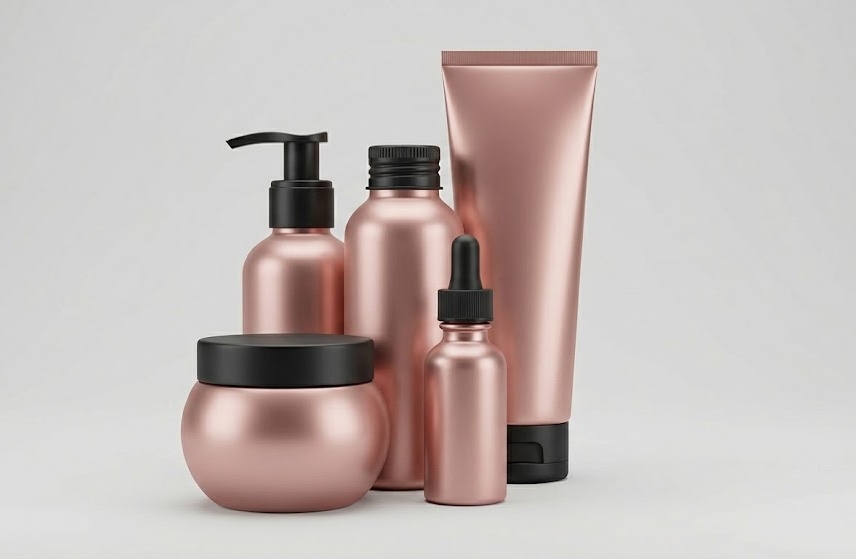
Tubes or Jars for Creams
- Tube or jar packaging is suitable for creams.
Creams have a moderate thickness and flow more easily than ointments. Tubes help control the amount used. The squeeze design and small opening reduce direct contact with air and skin. This lowers the risk of contamination during use.
Jar packaging is convenient for scooping and daily use. It gives products a more premium appearance, which makes it suitable for high-end products. However, jars are less resistant to contamination. It’s better to use them together with a spatula and an inner cap.
Soft Tubes for Ointments
- Soft tube is often the best match for ointments.
The ointment is thick and does not flow easily. So, squeezing is the easiest way to use it. Compared to a jar, a tube also keeps air out better, helping maintain a smooth texture and preventing hardening.
Bottles for Lotions and Gels
- Lotions and gels are usually packaged in bottles, pump dispensers, or squeeze bottles.
Both lotions and gels flow easily. With features like nozzles and pump tops, bottles can help control how much is used and keep the product clean. Bottles can also hold more product, as lotions and gels are often used in larger amounts.
A Note on How to Choose Suitable Packaging
The choice of packaging depends not only on the product’s material but also on its intended use, market positioning, brand image, and product characteristics, etc.
Packaging Equipment Selection for Different Formulations
In the previous section, we mentioned the most suitable packaging methods for the four common dosage forms. It’s also easy to conclude that product properties affect filling difficulty, which then shapes the packaging format and influences machine selection. Production volume and budget also affect how automated the equipment should be. Below are some reference steps for selecting the right machine.
Step 1: What Type of Product Are You Making?
Are they creams, ointments, lotions, or gels? Different machines are suitable for products of different thicknesses. For example, liquid products can range from water-thin liquids to thick pastes, creams, and heavy gels.
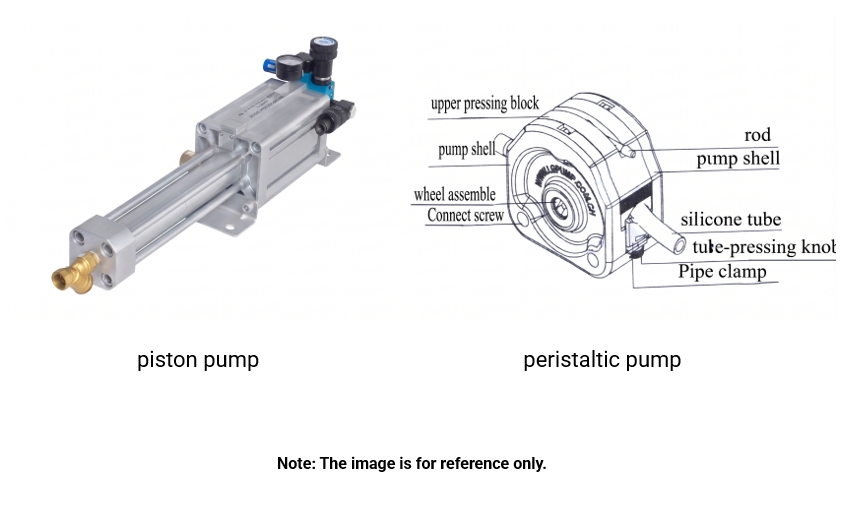
For automatic liquid filling machines, the filling system can be a peristaltic pump, a piston pump, or a dual filling system with both a piston and a peristaltic pump. A piston pump is better for medium-high to high-viscosity products, such as creams, ointments, and high-viscosity gels. A peristaltic pump is more suitable for low- to medium-low-viscosity liquids, such as oral liquids and eye drops. Compared with a piston pump, a peristaltic pump is cleaner, more hygienic, and more accurate for small-volume filling.
Step 2: What Kind of Packaging Do You Want for Your Product?
Bottles, tubes, filling, or pouches? Different machines support different packaging types. Even among bottle-filling machines, the bottle types they handle can vary, such as standard pharmaceutical vials, eye drop bottles with pipette inserts, or slender, unstable bottles.
For fully automatic filling machines, capping and sealing options also vary. Some use rubber stopper insertion with aluminum crimping, some use plastic plug insertion with screw capping, and others use single-stage screw capping. These factors should all be considered.
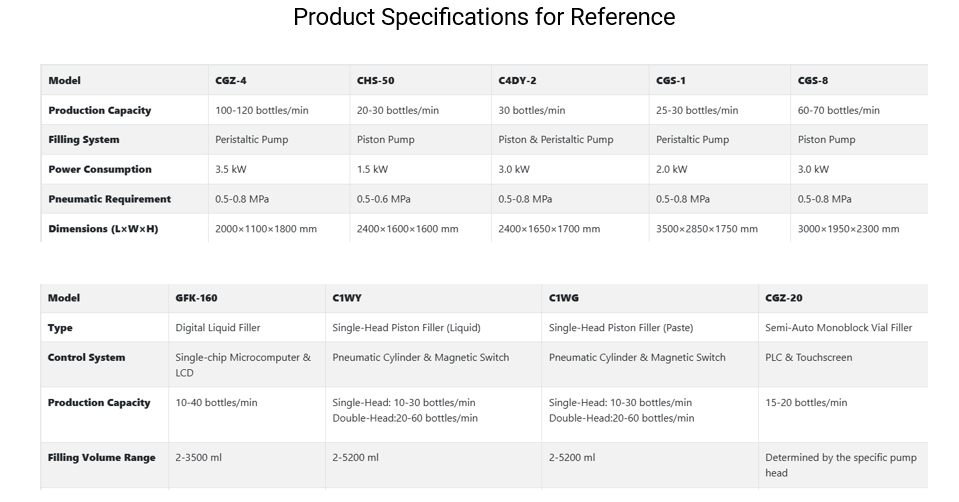
Step 3: What Production Efficiency Do You Need?
Machines are available in manual, semi-automatic, and fully automatic models. Manual and semi-automatic machines are suitable for single, small-batch runs. Fully automatic machines are ideal for high-speed mass production.
Step 4: Your production standards?
Whether for food or cosmetics, there are strict production standards. For example, whether safe materials such as 304 stainless steel and 316 stainless steel are used, whether the equipment is easy to clean, whether it complies with GMP, etc.
For cosmetics, an international standard example is ISO 22716. For pharmaceuticals, a common international standard example is WHO GMP or ICH Q7 for active pharmaceutical ingredients.

Get Instant Budgetary Quote
- Confidentiality for samples and drawings (NDA available)
- Engineer will respond within 24 hours
- FAT report and acceptance criteria available before order
The end
Creams, ointments, lotions, and gels all play important roles in skincare and medicine, and each has its own benefits. If you are a customer, you can choose the most suitable one based on your needs. If you are a manufacturer, you can choose the appropriate dosage form according to your product’s purpose, characteristics, and other factors.
Also, if you need liquid filling machines, Anxine is here to help. We offer different types of machines to fill and pack creams, ointments, lotions, or gels. For highly specialized container formats like slender vials or eye droppers, we provide fully tailored machine manufacturing solutions.


