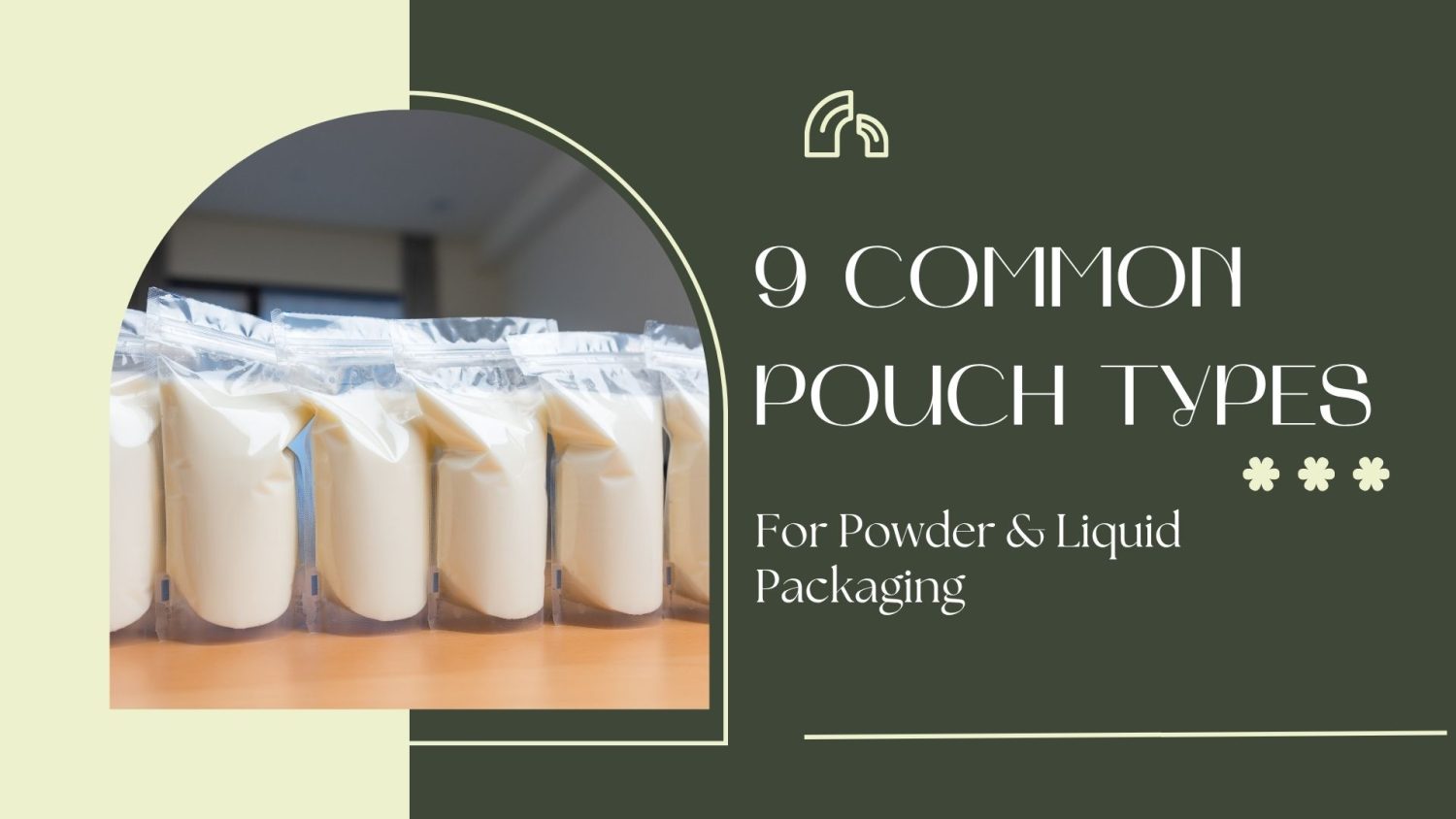
Pouches are one of the most common packaging types used today. They are used in many industries, such as food, beverages, and pharmaceuticals. Many products, like protein powder and detergent, are often packed in pouches. This packaging style is practical, lightweight, and easy to use.
Compared with other rigid packaging, such as bottles or cans, pouch packaging usually requires less material and storage space. This reduces transportation costs and improves packing efficiency. Many pouch designs also provide good protection against moisture and contamination. It extends product shelf life. Pouch packaging also plays an important role in product marketing. It could be made in various shapes and printings to catch customer attention and affect buying decisions. Therefore, manufacturers often select pouch types based not only on product protection but also on convenience, branding, and storage. This article introduces you to the main types of pouch packaging. Then you can know which suits your product better.
Gusseted Pouch
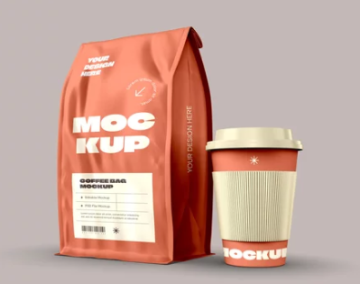
A gusseted pouch is made with folded expansion sections called gussets. These gussets increase the filling volume of the pouch and make the pouch hold larger amounts of product in an easy design. There are two main types of gusseted pouches: side gusset pouches and bottom gusset pouches. A side gusset pouch has expandable folds on both sides of the package. When filled, the sides expand outward and create a box-like shape. This design is widely used for coffee beans and tea. A bottom gusset pouch has an expandable fold at the base. It allows the pouch to stand more easily after filling. Bottom gusset designs are often used for bulk powder, granules, pet food, and agricultural products.
In addition, some pouches also include degassing valves to release internal gas for better protection. However, gusseted pouches usually require more precise sealing and forming control during production. Poor gusset alignment may affect package’s appearance after filling.
Stand-up Pouch
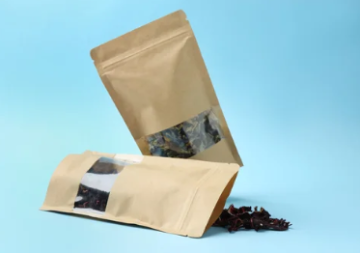
A stand-up pouch is a flexible packaging bag designed with a bottom gusset. It allows the pouch to stand upright on store shelves. Stand-up pouches are one of the most widely used pouch types. They combine good product protection and can stand on the shelf steadily. The structure usually includes multiple material layers such as PET, PE, or aluminum foil.
Many stand-up pouches also include zipper closures, tear notches, spouts, or transparent windows for better product visibility. This pouch type is commonly used for snacks, coffee, pet food, supplements, protein powder, and dried fruits. The upright design also improves storage efficiency and appearance on the shelf. However, stand-up pouches may have lower puncture resistance compared with rigid packaging, and some multi-layer materials are difficult to recycle.
Flat Pouch
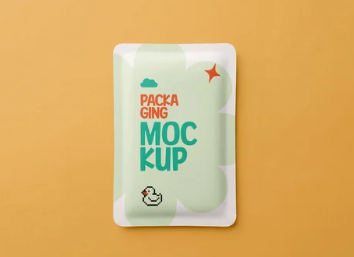
A flat pouch is made from two layers of film sealed together on three or four sides. Unlike stand-up pouches, flat pouches do not have a bottom gusset. So, they cannot stand upright after filling. This pouch type is popularly used because of its simple structure and low material cost. Common materials include PET, PE, CPP, aluminum foil, and laminated films. They can pack instant drink mixes, pharmaceutical powders, tablets, capsules, seasoning sachets and sometimes face masks. Flat pouches are especially suitable for small package sizes and high-speed automatic packaging lines.
The main advantage of a flat pouch is its low production and transportation cost. The compact shape also reduces storage space before filling. However, flat pouches usually have lower filling capacity compared with stand-up pouches. After opening, many flat pouches also lack resealing functions unless additional zippers are added.
Spouted Pouch
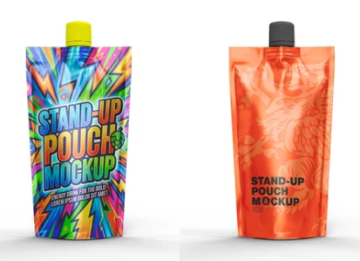
A spouted pouch is designed with a built-in plastic spout. It features easy pouring and controlled dispensing of liquid or semi-liquid products. The spout is usually attached to the top corner or center of the pouch. It is sealed with a screw cap or flip cap to prevent leakage during transportation and storage. Compared with bottles, spouted pouches are lighter and require less storage space. The pouch body is commonly made from laminated films that provide strength and barrier protection.
This pouch type is widely used for juice, puree, liquid soap, detergent, and refill products. However, spouted pouches usually require more complex filling and sealing equipment. And the added spout component increases packaging costs compared with other types. This type of packaging places greater demands on the pouch packing machine due to higher precision and more advanced technology. So the cost is also higher.
Zipper Pouch
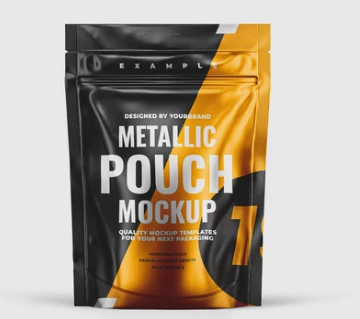
A zipper pouch is equipped with a resealable zipper closure near the top opening. The zipper allows users to open and close the pouch multiple times after the seal is broken. It could maintain product freshness and reduce exposure to moisture, air, or contamination. They are especially suitable for products consumed over multiple uses rather than single servings. Zippers are commonly added to stand-up pouches, flat pouches, and gusseted pouches to improve the shelf time after opening. There are many types of zipper designs to choose from. They include press-to-close zippers, slider zippers, child-resistant zippers, and heavy-duty zippers for larger packages. You can select the most suitable one based on your specific requirement. Please note that improper zipper sealing may also affect product protection if the package is not fully closed after use.
Vacuum Pouch
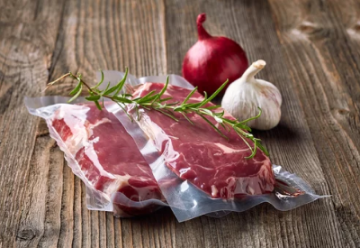
A vacuum pouch is a packaging bag designed for vacuum sealing. This packaging removes most of the air from inside the package before sealing. The pouch is usually made from nylon and polyethylene to prevent oxygen from entering. During packaging, the product is placed inside the pouch. Then, air is extracted with a vacuum packaging machine, and the opening is heat sealed tightly. A low oxygen level slows bacterial growth, oxidation, and odor development. It could preserve product quality for a longer period.
Vacuum pouches are widely used for fresh meat, seafood, cheese, and vegetables. They are also used for frozen food because the tight packaging reduces freezer burn and ice crystal formation during long-term cold storage. Transparent vacuum pouches are common in retail packaging because they allow customers to clearly see the product’s condition and appearance.
Pillow Pouch
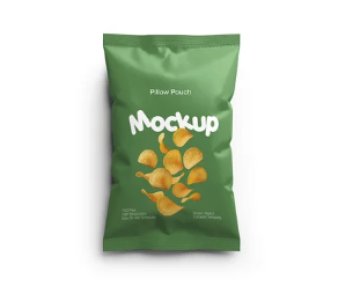
A pillow pouch is one of the most common packaging types used in automatic packaging lines. It gets its name from its pillow-like shape after filling and sealing. The pouch is usually made from a continuous roll of packaging film that is formed into a tube around the product. After filling, the package is sealed at both ends, while a vertical seal runs along the back or side of the pouch. This structure makes pillow pouches suitable for high-speed production and large-volume packaging lines.
The sealing structure of a pillow pouch normally includes one vertical seal and two horizontal end seals. The vertical seal can be designed as a fin seal or a lap seal. The pouch itself does not have a flat bottom or gusset structure, so it usually lies flat. Because of its lightweight and compact design, pillow pouch packaging is widely used for chips, candy, biscuits, bakery products, and frozen food.
One major advantage of pillow pouches is their low packaging cost and fast production speed. Most of these pouches are made with vertical form fill seal (VFFS) machines. However, pillow pouches cannot stand well on the shelf. It may affect the clients’ buying decision.
Stick Pack
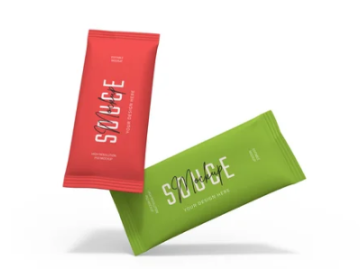
A stick pack is a narrow and flat package designed for single-dose products. The slim shape makes the package easy to carry, open, and take. Stick packs are commonly used for instant coffee, sugar, salt, protein powder, pharmaceutical powder, and drink mixes. Some liquid products such as syrup and gel are also packed in stick packs.
However, stick packs are not suitable for products with poor flow properties or large particles. It may cause difficult filling because of the narrow opening. The package is designed for one-time use, so it usually does not include resealing functions after opening.
Quad Seal Pouch
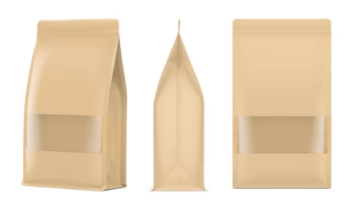
A quad seal pouch is designed with four vertical seals and a flat bottom. This structure creates a box-like shape to stand on the shelf well. Because of their strong structure and good appearance, quad seal pouches are commonly used for high-value products such as premium coffee, pet food, and nutritional powder. The flat side panels also provide more space for printing product information and brand marketing. Some quad seal pouches include zipper closures or degassing valves, especially in coffee packaging.
You can check the following to see the differences among these pouch types.
| Type | Feature | Stand upright | Product size | application | Cost |
|---|---|---|---|---|---|
| Gusseted pouch | Expandable side or bottom folds | Based on type | Medium to large | Coffee, tea, bulk powder | Medium |
| Stand-up pouch | Bottom gusset creates a stable base. | Yes | Small to medium | Snacks, supplements, pet treats | Medium |
| Flat pouch | no gusset | No | Small | Powder, sachets, pharmaceutical products | Low |
| Spouted pouch | Built-in plastic spout and cap | Usually yes | Medium | Juice, baby food, detergent | High |
| Zipper pouch | Resealable zipper closure | Depend on the pouch structure | Small to medium | Dried food, frozen food, protein powder | Medium to high |
| Vacuum pouch | Air removed before sealing | Usually no | Medium | Meat, seafood, cheese | Medium |
| Pillow pouch | Tube-shaped pouch with end seals | No | Small to medium | Chips, candy, bakery products | Low |
| Stick pack | Narrow elongated single-dose package | No | Very small | Coffee powder, sugar, supplements | Low |
| Quad seal pouch | Four vertical corner seals | Yes | Medium to large | Premium coffee, pet food | High |
How to Choose a Suitable Pouch Type?
If you want to select a pouch type to pack your products, some factors need to be considered.
Product Properties
Different products require different pouch structures and materials. Liquids usually need leak-resistant packaging such as spouted pouches. Powder products often use flat pouches, stick packs, or stand-up pouches. Large granules or products with sharp edges may require thicker packaging film to reduce the risk of damage during transportation.
Moisture sensitivity is also important when selecting pouch material. Products such as coffee and pharmaceutical powders can absorb moisture from the air. Excess moisture may cause clumping, texture changes, or product spoilage. In these cases, manufacturers often use aluminum foil layers or high-barrier films for better protection. If products are sensitive to oxygen, vacuum pouches or nitrogen-filled pouches are commonly used.
Filling and Sealing Method
The packaging machine and filling process should match the pouch design. Some pouch types are easier to run on high-speed automatic machines, while others require more precise positioning and sealing control. Pillow pouches and stick packs are commonly used in continuous high-speed production lines. They feature a simple structure for easy manufacturing.
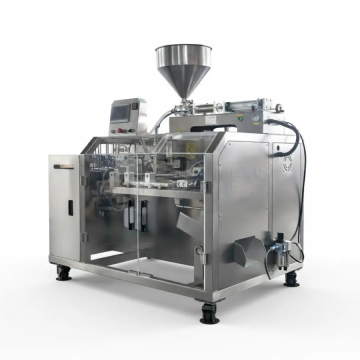
Premade pouches, such as stand-up pouches, usually require premade pouch filling machines. Vacuum pouches require vacuum sealing systems that remove air before sealing. If the pouch structure does not match the machine design, problems like leakage may occur.
Display Requirements
Packaging appearance can influence customer attention and product positioning. If you want to place the pouches on the shelf, they are often made with stand-up pouches. These designs create a clean display and they are convenient for customers to select. They also allow you to print many attractive patterns or logos. Transparent windows are sometimes added to allow customers to see the product directly.
Premium products may require packaging with a strong visual impact. Matte finishes, metallic films, special shapes, and zipper closures are commonly used to improve product appearance. In contrast, industrial or bulk products may focus more on function than shelf appearance.
Budget
Packaging cost includes not only pouch material cost but also machine investment, maintenance, and operation expenses. Simple pouch types usually cause lower production costs because of the easy making process. More complex pouch types usually increase packaging cost due to extra components and more complicated sealing processes. Please note that you don’t pursue the lowest price but compromise on pouch quality.
Cooperate with Anxine to Get High-quality Pouch Packaging
Anxine specializes in different types of pouches to pack powders, liquids, and granules. We offer VFFS and HFFS packaging machines in various speeds and capacities. They are also compatible with a wide range of premade pouches to meet your needs. Moreover, many intelligent sensors are equipped to detect if pouches are filled accurately and sealed tightly. If you want to make spouted pouches or quad seal pouches, we have many premade pouch packaging models for you to choose from. The accuracy could be up to >99%.


