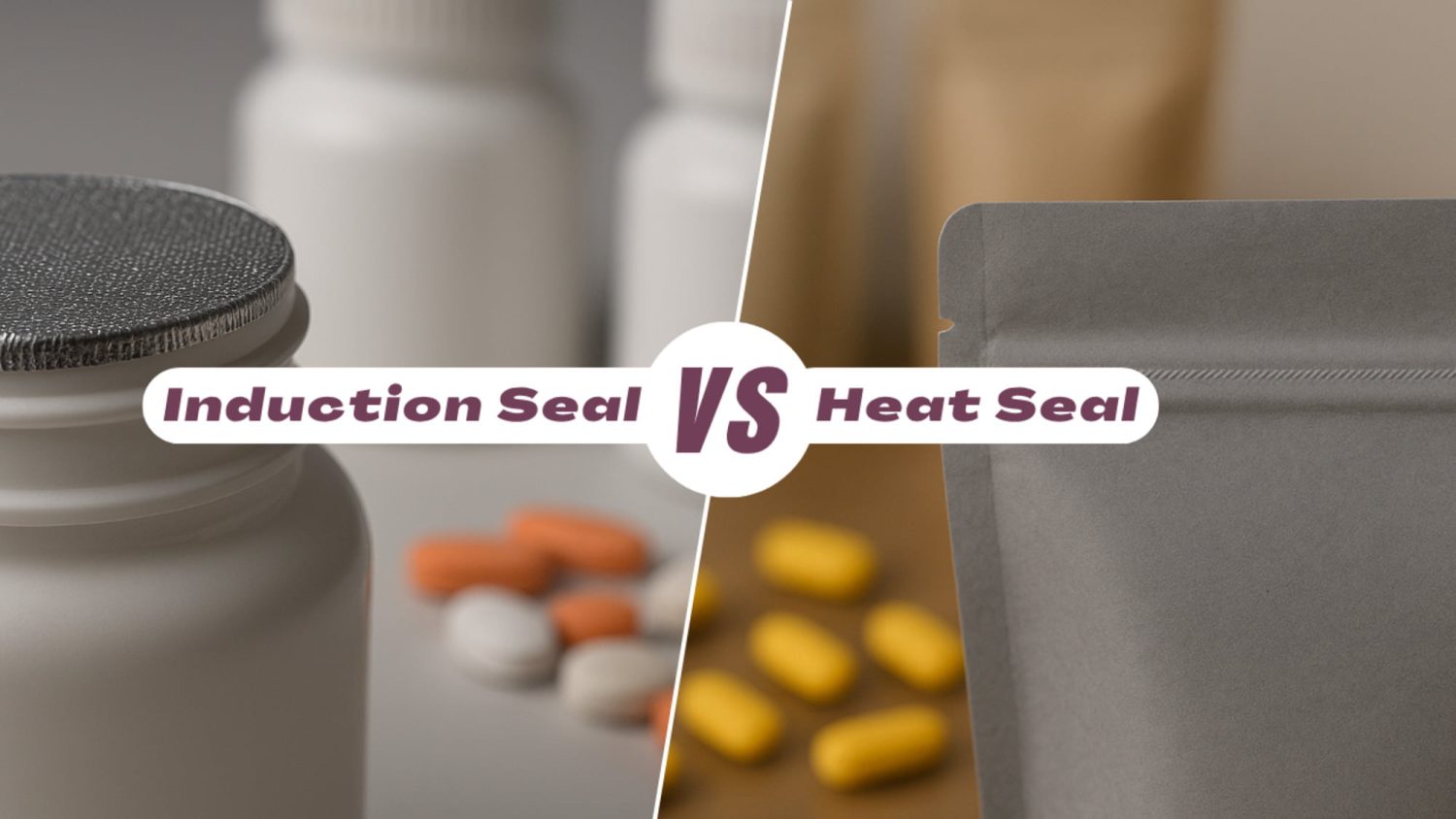
If you work in packaging, you already know this truth: a bad seal destroys everything. Leaks, spoilage, tampering, and contamination often trace back to one thing: the sealing method.
Two of the most common options are induction sealing and heat sealing. They both produce airtight seals to keep products fresh, but they work in completely different ways and suit different types of packaging.
This post walks you through the difference between induction and heat sealing, how each process works, their pros and cons, and most importantly, how to choose the right sealing machine for your production line.
What Is Induction Sealing?
Induction sealing is a non-contact sealing method. Instead of touching the container, it uses electromagnetic energy to create a hermetic, tamper-evident seal on its opening. Yes, this sealing method is usually used to handle rigid containers like bottles and jars.
What you need for induction sealing:
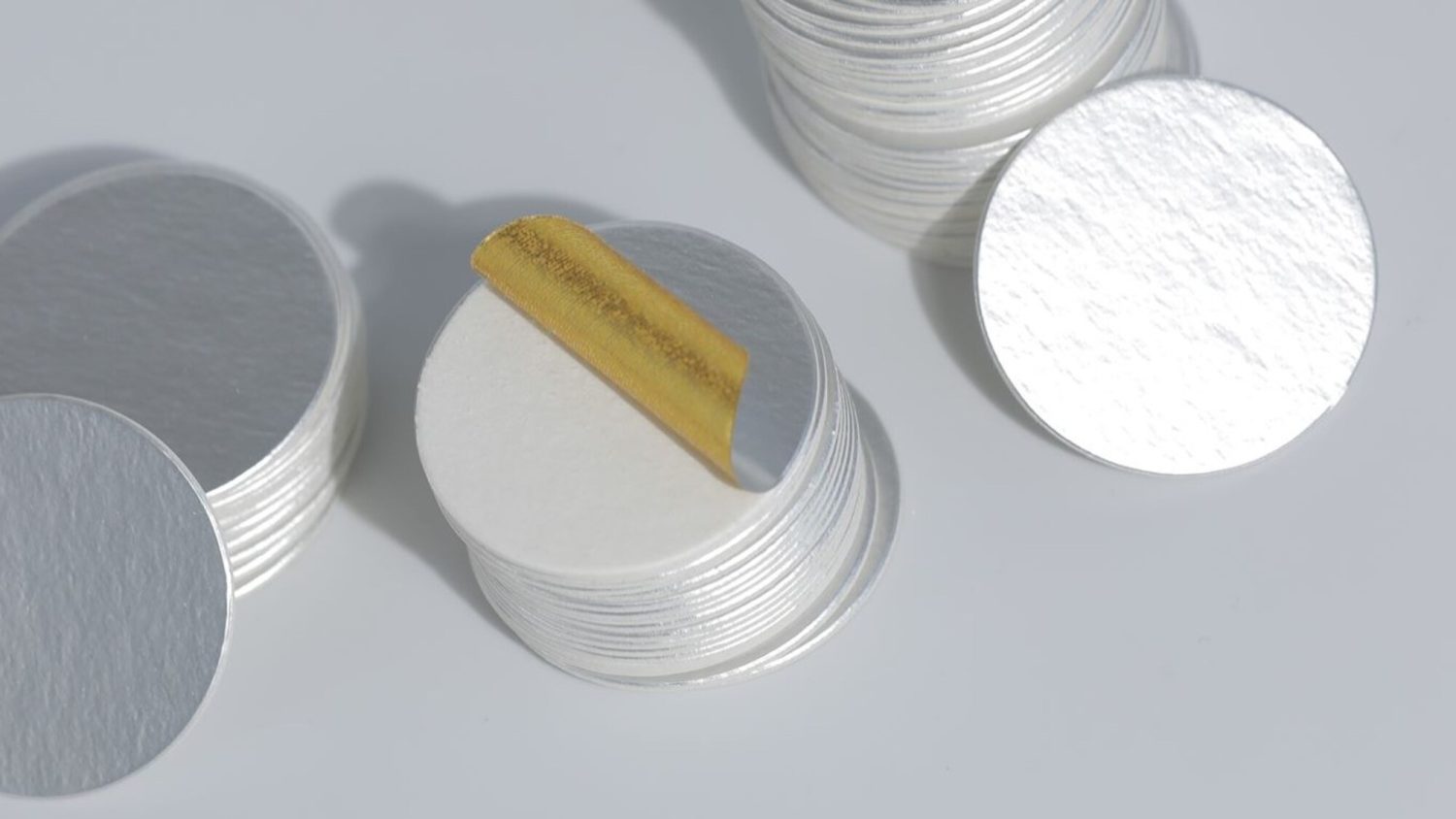
- A foil-based cap liner: The liner is often called a heat induction liner. The two main styles are one-piece and two-piece. One-piece liners typically include a heat-seal polymer, an aluminum foil layer, and a backing. Two-piece options add a wax layer and use a pulp or foam board as the backing.
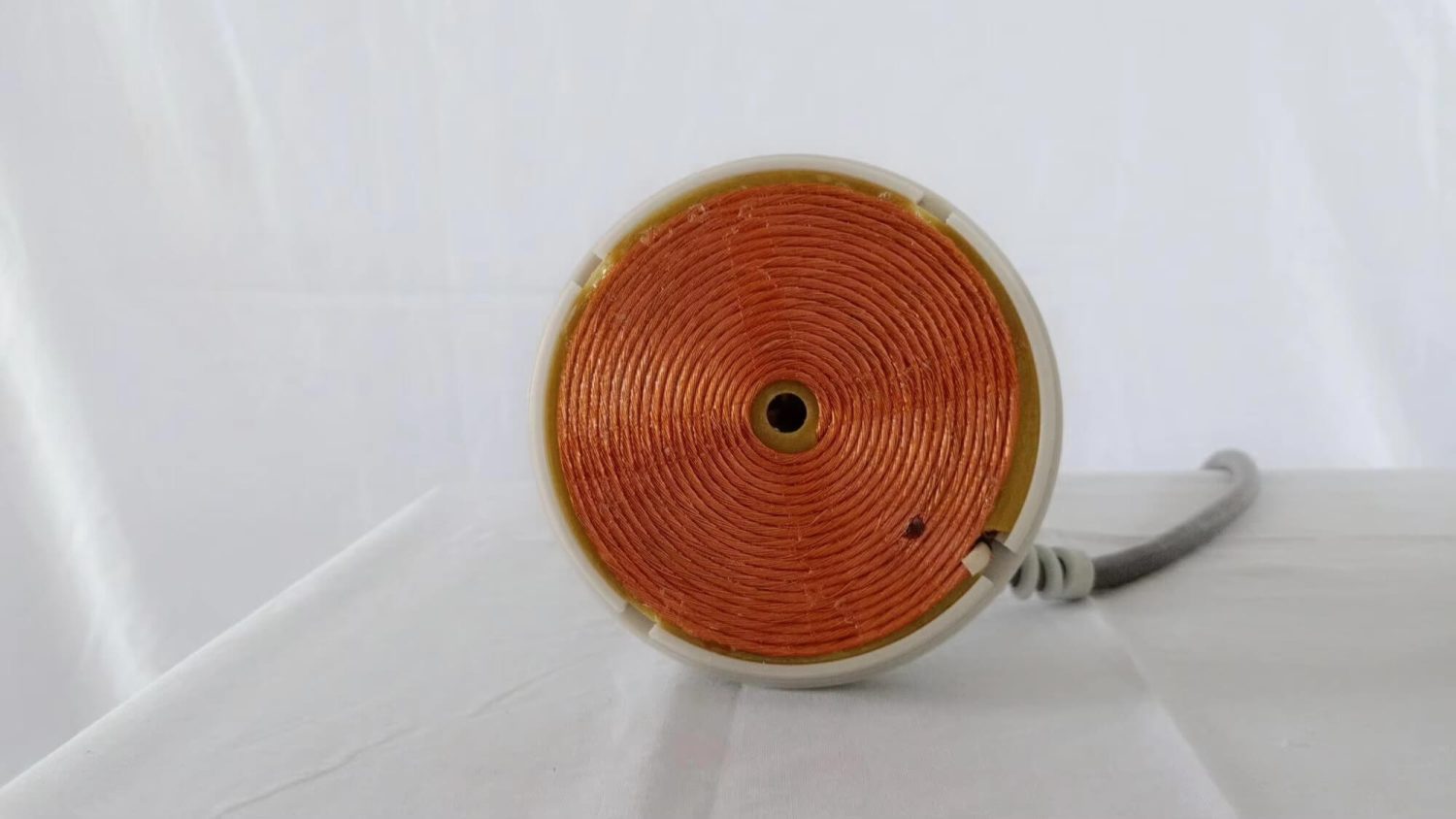
- An induction coil: It’s built into an induction sealing machine. The coil generates a magnetic field that heats the liner and melts the polymer layer so it bonds to the rim of your bottle or jar.
After sealing, this bond is what gives the container its airtight closure.
How the Induction Sealing Process Works
Induction sealing is non-contact. It’s like “wireless welding” a foil liner onto your bottle. The induction sealing machine never touches the cap, and you don’t need to wait for its sealing head to heat up. Let’s see how the process works on a packaging line.
- Prepare caps that have induction liners inside. The liner usually comes pre-inserted into the cap when sourced from packaging suppliers.
- Screw or press the cap onto the filled container. On an automatic line, this step is completed by a capping machine.
- The capped container moves to the sealing station on a conveyor. It passes under the induction sealer.
- The induction coil in the sealing head generates a high-frequency electromagnetic field around the cap.
- The magnetic field introduces eddy currents in the aluminum foil layer of the liner. The foil heats up instantly.
- The heat melts the polymer layer of the liner. The melted layer bonds firmly to the rim of the container. If you use a two-piece liner, the wax layer melts too, and the paper or foam backing stays inside the cap.
- The container then moves away from the induction sealer. The melted layers cool and solidify. And you get a clean, tight, tamper-evident seal.
Benefits of Induction Sealing
Induction sealing is popular in many industries because it offers several big perks:
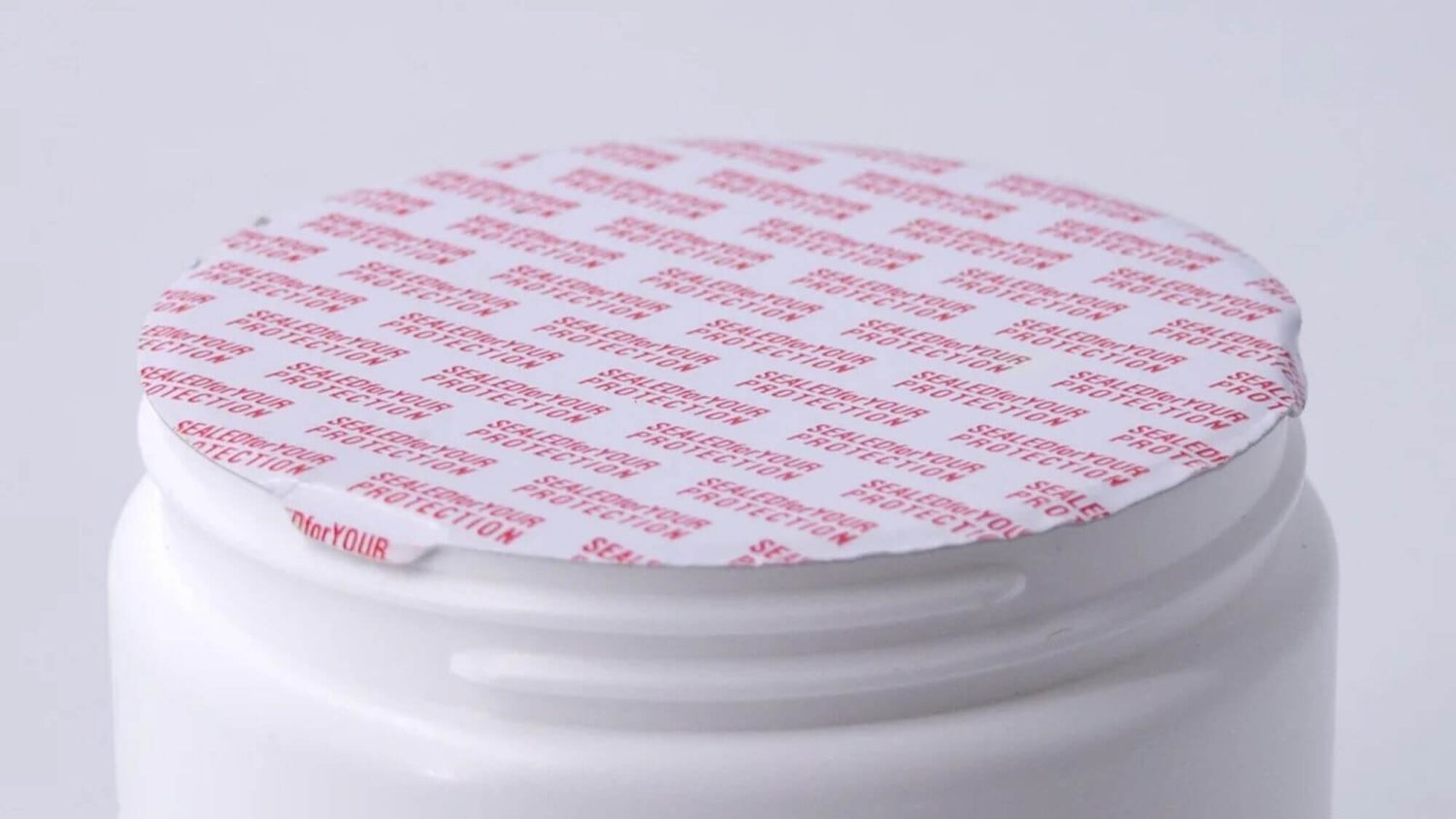
- Offers tamper evidence. It’s easy for consumers to see if the foil seal is broken. For example, the foil under a vitamin cap clearly shows if someone opened it. This ensures safety.
- Prevents leaks and spills. Once sealed, even thin liquids stay locked in. An induction seal is great for powders, oils, syrups, and other liquid products.
- Maintains freshness and shelf life. The seal blocks oxygen and moisture. It helps foods and chemicals stay fresher longer.
- Works with various container materials. Induction seals can be used on plastic, glass, and even some metal bottles or jars.
- Has no direct heat contact. The non-contact sealing is safe for heat-sensitive products and meltable materials.
- Operates in a cleaner way. Since the liner bonds with just heat, there’s no need for extra glue or messy heating elements. So the process is cleaner and greener.
- Fast and efficient. Automatic induction sealers can run on a high-speed line. When the capped containers pass under the machine, the sealing process happens quickly and smoothly.
Limitations of Induction Sealing
Of course, induction sealing isn’t perfect for every situation. This method:
- Only works with foil liners. You’ll need the matching induction foil liners in your caps. They can’t just be pulp board. The liner must include an aluminum foil layer.
- May cost you more initially. Besides the special liners, you also need dedicated equipment. To run on a packaging line, an automatic induction sealer is required. This unit is generally more expensive than other sealing tools or machines.
- Cannot be used on uneven surfaces. If the container’s rim is not flat, the seal won’t form correctly. Induction sealing is meant for bottle and jar rims, not for bags or pouches.
What Is Heat Sealing?
The heat sealing we’re talking about here specifically refers to conduction sealing. Unlike induction sealing, it’s a direct-contact method. Heated elements press directly onto the packaging material and melt it enough to fuse the layers into a tight seal.
Sealing elements include heated bars, jaws, or bands. You’ll see this method used in machines like I-bar or L-bar sealers, impulse sealers, constant-heat models, and continuous band sealers.
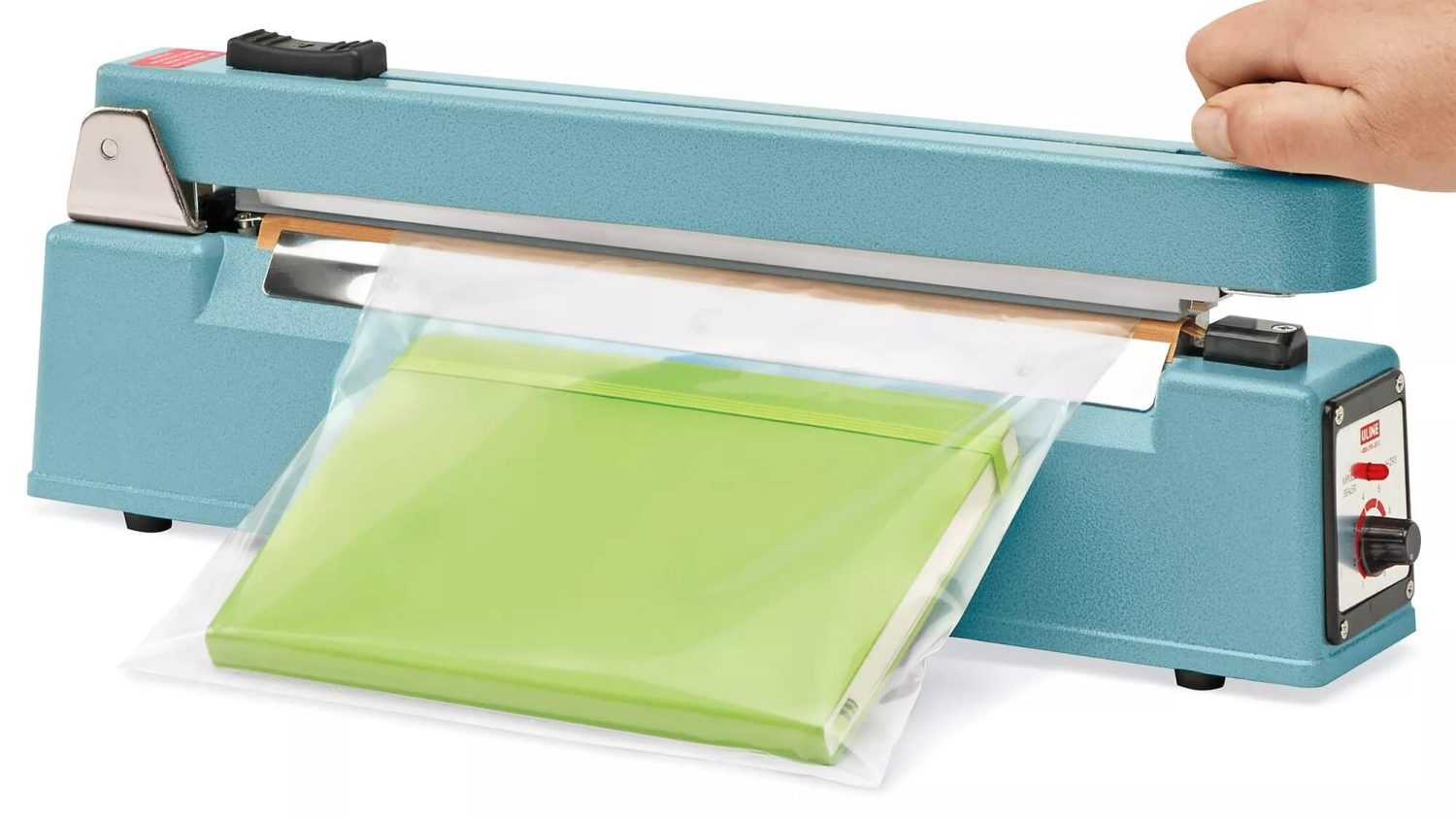
Heat sealing often handles materials like PE, PP, PVC, and laminated film very well. It’s the go-to choice for flexible packaging like pouches, sachets, and bags.
How the Heat Sealing Process Works
Heat sealing is an easy process to understand. Just keep an eye on three key factors: temperature, pressure, and dwell time. Here’s how it works on a pouch:
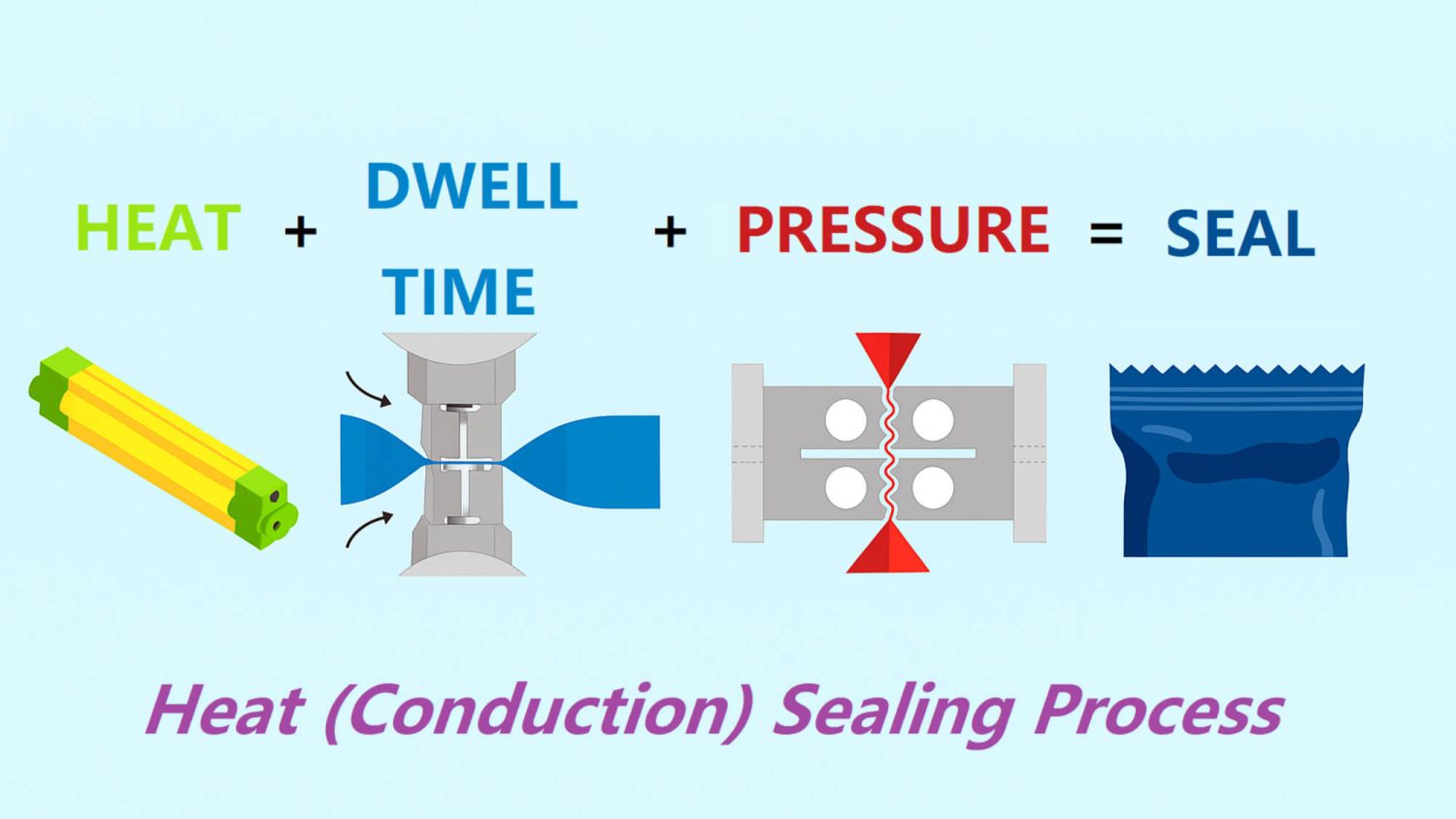
- Place the open-mouth pouch between a pair of sealing bars, jaws, or plates. The sealing elements are preheated to a temperature warm enough to melt the packaging material.
- The heated elements close and clamp the opening of the plastic pouch. This pressure is held for a set period, called the “dwell time”, to ensure the open mouth is tightly closed.
- The heat, at the same time, softens the film at the contact area to let the layers fuse and form a strong bond.
- When the dwell time ends, the sealing elements open. Air-cool the area for a while, and you’ll get a strong, airtight seam.
Pros and Cons of Heat Sealing
Conduction heat seal has its own upsides and downsides:
Pros:
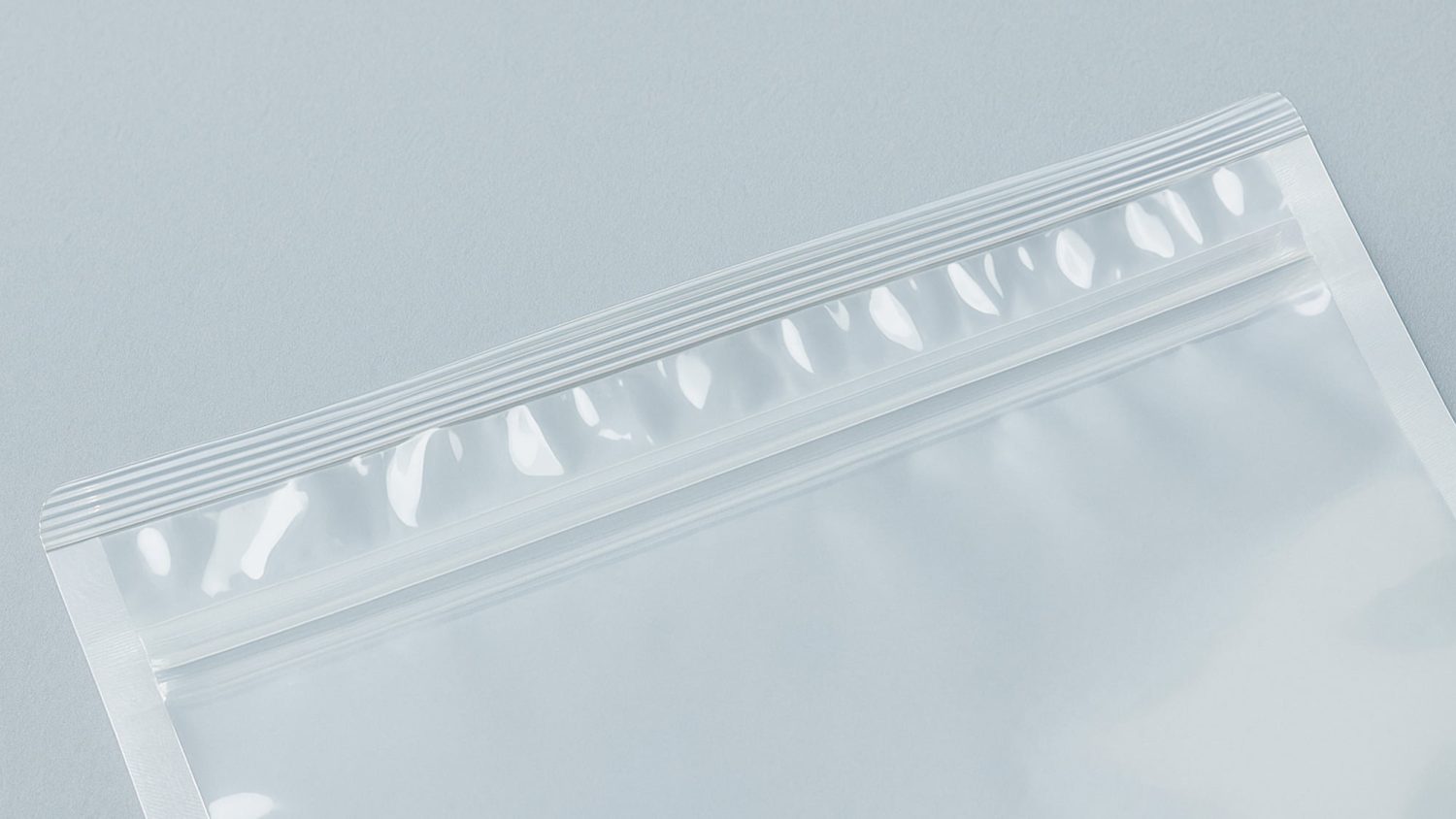
- Versatile for flexible packaging. It’s excellent at bonding two plastic layers together. That’s why this method is widely used for stand-up pouches, pillow bags, sachets, and other flexible pack styles.
- Easy to master and operate. This sealing method is old and well-understood. Training staff is easier because the machines are less complex than induction sealers.
- Works with many laminated films. You can use conduction sealing on PP, PET, aluminum laminates, nylon films, and more.
- Costs you less. Since the sealing technology is simple, heat sealing machines are generally cheaper than induction sealers. That makes them attractive for smaller operations.
Cons:
- Not suitable for rigid containers. Conduction heat sealing can’t be used to seal the rim of bottles or jars.
- More prone to sealing issues. Heat sealing requires direct contact and pressure, so the package must be well-aligned under the heating elements. A slightly crooked pouch can lead to a poor seal.
- Can damage the package. You must be careful not to overheat. If the temperature is too high, it can burn and even melt the packaging material. So, the temperature control is very important.
- Sealing parts may wear out. Continuous exposure to heat, pressure, friction, and possible misalignment or contamination can cause wear and tear over time.
- Less safe than induction sealing. Because it relies on direct heat, there is a small risk of burns for operators if they’re not careful.
Induction Seal vs Heat Seal: Head-to-Head Comparison
To make things clearer, here’s a table comparing the major differences between induction sealing and heat (conduction) sealing.
| Feature | Induction Seal | Heat Seal |
|---|---|---|
| Mechanism | Generates an electromagnetic field that heats a foil liner in a capped container to form a tight seal | Presses a heated bar or plate directly against the two layers of the package to melt and fuse them |
| Contact | With no touching the container | Direct contact with the package |
| Startup Time | Instant, no warm-up needed | Must heat up the sealing components beforehand |
| Energy Use | Generally more energy-efficient because the heating and sealing cycles are faster | The sealing parts have to stay hot even when idle, which consumes more energy |
| Speed | Can seal at line speeds. In an automatic model, containers pass through one after another with no pause | Slower, because it requires dwell time and a warm-up period. Sometimes, cooling cycles are also needed |
| Tolerance | Minor misalignments are okay. The induction coil can handle slight variations in container shape or height | Less forgiving; packages must be well aligned. Even a small error can cause weak seals |
| Material Limits | Requires bottles or jars with foil-based cap liners | Works with any material that has a heat-seal layer |
| Seal Quality | Creates 100% hermetic, tamper-evident seals | Can make airtight seals but is less durable |
| Applications | Widely used for bottled food, pharma, cosmetics, and chemicals | Common for pouches or bags |
When to Choose Induction Sealing vs Heat Sealing
Which sealing method is right for you? This quick decision checklist can help:
Choose induction sealing if:
- You’re sealing bottles or jars.
- You need tamper evidence.
- You want the longest shelf life and freshness.
- Your product must stay leak-free during shipping.
- Your contents are heat-sensitive.
Choose heat sealing if:
- You’re sealing flexible packaging like pouches, bags, or sachets.
- Your products are not sensitive to direct heat or pressure.
- You want an economical sealing method.
- You’re using different types of packaging materials including plastics, laminated films, and paper coated with a heat-sealable layer.
How Anxine Helps You Achieve Successful Sealing
At Anxine, we offer solutions for both induction and heat sealing. You can choose from induction sealing machines, continuous band sealers, and equipment with built-in heat-sealing functions.
We can support you in choosing:
- The right sealing technology;
- The proper liner-and-cap match; and
- The most suitable packaging material.
If you’d like expert advice or a recommendation tailored to your product, feel free to reach out. We’d be happy to help you pick a solution that works best.


