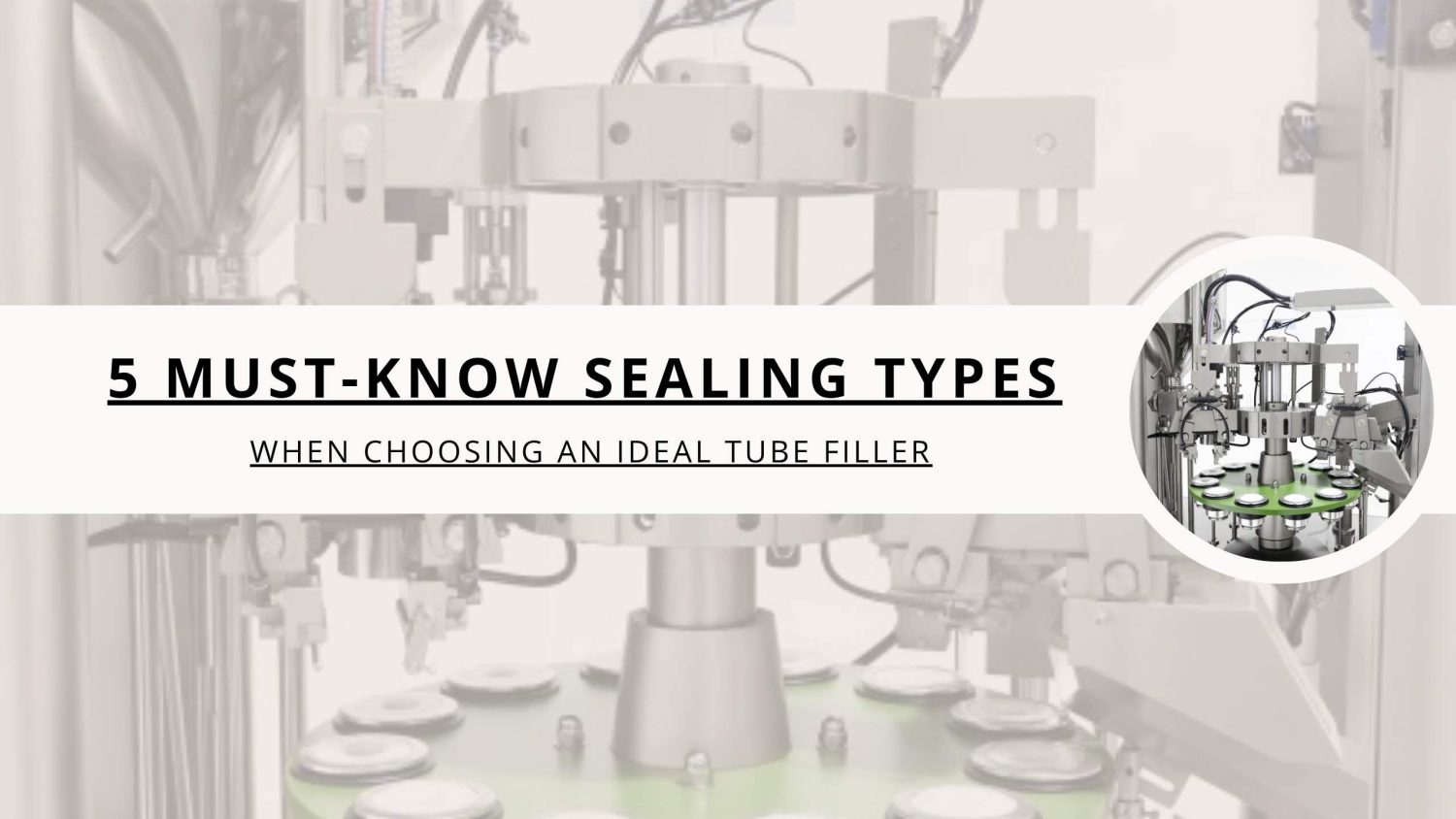
Tube sealing is the process of closing the open end of a filled tube to keep the product safe and stable. After filling, the tube passes through a sealing station to be sealed by different methods. This creates a tight seal that prevents leakage and protects the product from air, moisture, or contamination.
Tube sealing is widely used in industries like the pharma and cosmetic industries. Different products are applied with different sealing methods. Here are some common types.
Heat Sealing
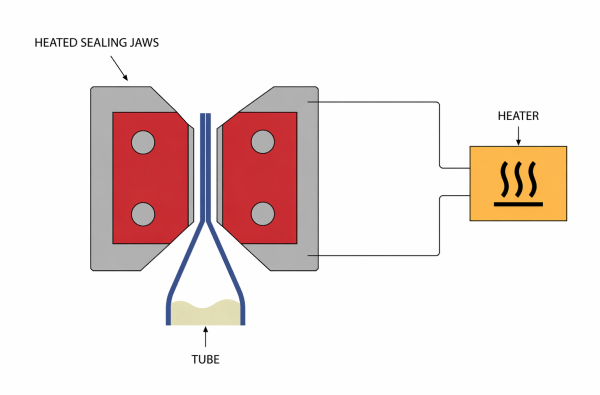
Heat sealing features controlled temperature and pressure to seal a tube. The sealing jaws are heated to a set temperature and clamp the tube tail. Heat transfers from the outer surface to the inner layer through contact. When the inner thermoplastic layer becomes soft, the jaws press the two sides together to form a seal. After that, the material cools and becomes solid again. In this method, heating and pressing happen at the same time. The process depends on stable control of temperature, pressure, and sealing time.
When the heat is removed, the material cools and forms a firm seal. Heat sealing are ideal for materials that soften easily when heated. They include
- Plastic tubes, like PE. These materials melt and bond well. They are widely used and cost-effective.
- Laminated tubes, like ABL and PBL. These tubes have multiple layers. The inner layer is usually plastic for good protection.
Most plastic and laminated tubes have a thermoplastic inner layer. This layer melts at a set temperature and bonds easily under pressure. The process needs stable control of temperature, pressure, and sealing time. If the temperature is too low, the seal may be weak. If it is too high, the tube may deform or show burn marks.
Ultrasonic Sealing
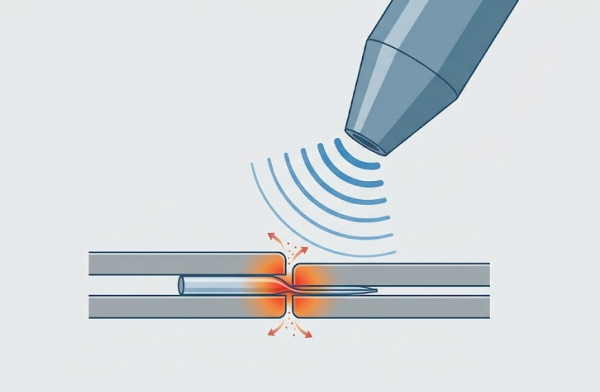
Ultrasonic sealing uses high-frequency vibration to create a seal at the tube end. An ultrasonic horn applies vibration to the tube tail while sealing jaws hold it in place. The vibration causes friction within the material. This friction produces heat at the contact area. The inner layer of the tube softens quickly, and pressure from the jaws forms the seal. When the vibration stops, the material cools and becomes a firm bond. This process does not rely on external heating elements. Heat is created only at the sealing point. The sealing time is usually very short, and the temperature rise is in the limited area.
Ultrasonic sealing can still form a strong seal even if a small amount of product remains at the tube end. The vibration pushes the product away from the sealing area. Moreover, there is no need to heat the entire sealing jaw. It reduces the risk of tube deformation, burn marks, and damage to heat-sensitive products. PP, PE and laminated tubes are widely used for this sealing method.
Hot Air Sealing
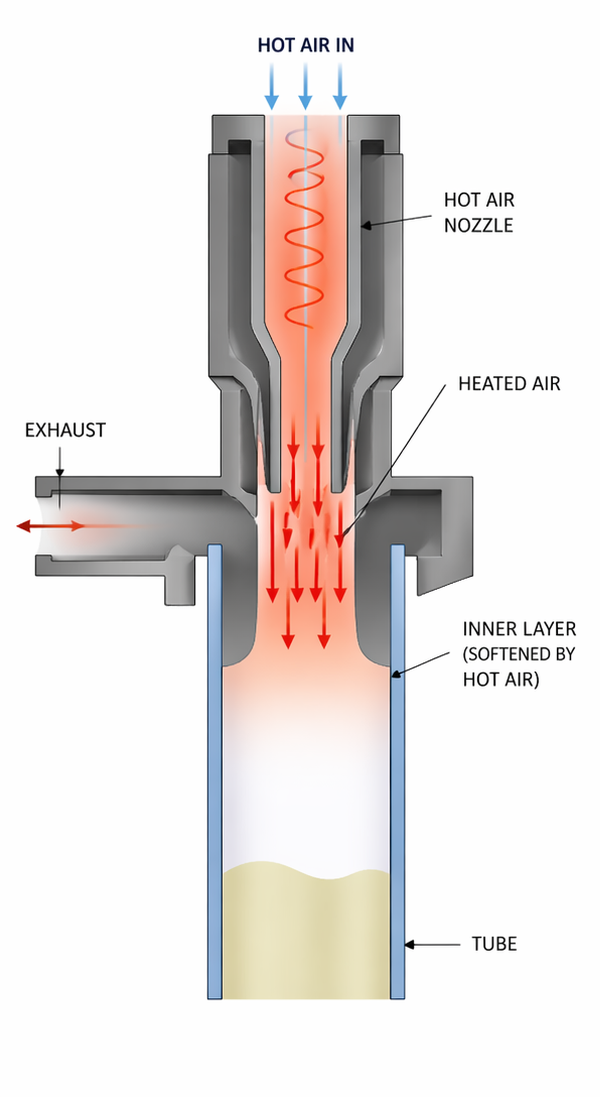
Hot air sealing uses heated air to soften the inner layer of the tube before sealing. A nozzle blows hot air directly into the open end of the tube. This air then heats the inner surface of the tube tail. Once the inner layer becomes soft, the sealing jaws close and press the tube tail together. The softened material bonds under pressure. After that, the seal cools and becomes firm.
Heat Sealing vs Hot Air Sealing
These two sealing methods both use heat, but the way heat is applied is different.
- The heating process. Hot air sealing uses a stream of heated air to warm the inner layer. Direct heat sealing uses heated jaws that touch the tube surface.
- Appearance. Hot air sealing often has a cleaner and smoother seal. It reduces the risk of burn marks on the outside. Direct heat sealing may leave marks if temperature control is not stable.
- Process control. Different from heat sealing, hot air sealing separates heating and pressing. This makes the heating process easier to adjust each step to meet specific production needs.
High-frequency Sealing
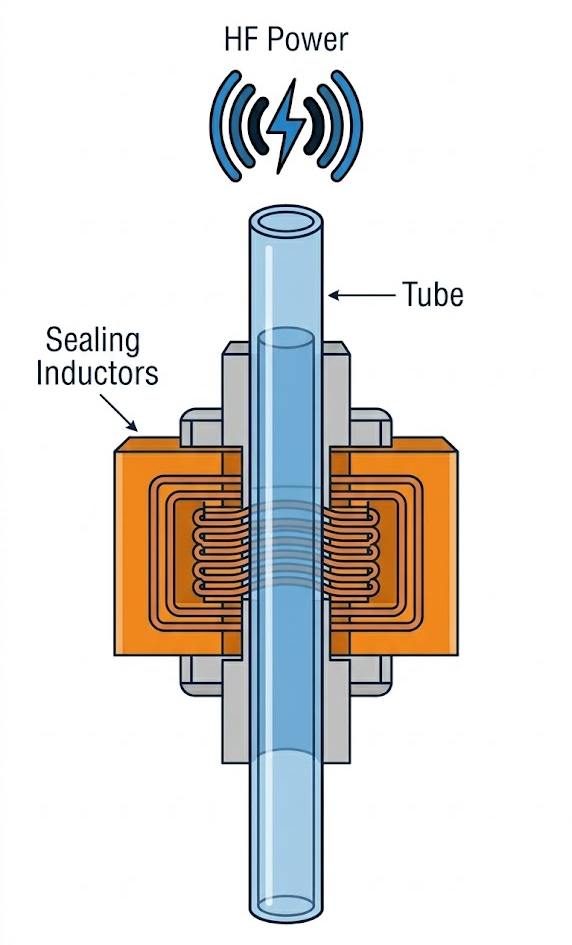
This method uses an electromagnetic field to heat the tube material from the inside. Electrodes apply high-frequency energy to the tube tail while pressure is applied. Then heat is generated inside the material itself. As a result, the inner layer softens evenly. Meanwhile, pressure from the sealing jaws forms the seal. After the energy stops, the material cools and becomes a firm seal.
Compared to the other two heating methods, high-frequency sealing makes more even softening of the sealing area. It also has a lower risk of burn marks or deformation. This method is always used in medical and healthcare packaging for different tubes.
Metal Tube Folding and Crimping
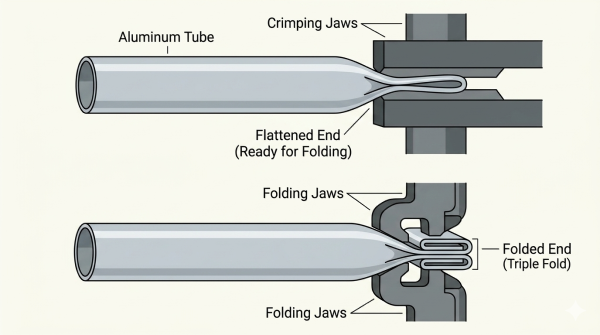
This sealing method is always used to seal aluminum tubes. Unlike plastic or laminated tubes, aluminum does not soften with heat in normal production conditions. Because of this, sealing relies on mechanical deformation, not melting. After filling, the open end of the tube is flattened and then folded several times. Pressure is applied to create a tight seal. This method creates a strong barrier against air, light, and moisture. So it is always used in pharma and cosmetic products.
Each sealing method has unique advantages and applications. You can check the following chart to see which suits your business better.
| Sealing method | Tube material | Production efficiency | Cost | Sealing strength | Feature |
|---|---|---|---|---|---|
| Heat sealing | PE, PP, laminated | Medium-high | Low | Medium | Simple structure, widely used |
| Hot air sealing | Plastic, laminated | Medium-high | Medium | Medium–High | inner layer heated with a cleaner seal |
| Ultrasonic sealing | PE, PP, laminated | High | Medium–High | High | Works even with product residue |
| High-frequency sealing | PVC, PU, laminated | Medium to High | High | High | Internal heating and uniform appearance |
| Metal folding & crimping | Aluminum | Medium | Low–Medium | Very High | No heat, mechanical sealing |
How to Choose the Right Tube Sealing Type for Your Products?
There are many factors that need to be considered when you seal tubes. Wrong selection may lead to many problems, such as leakage. The following considerations are for your reference.
Tube Materials
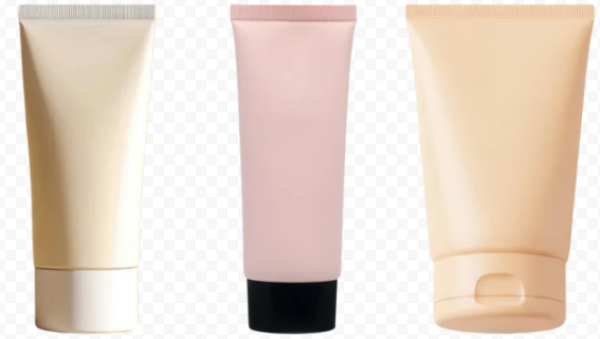
This is the first factor to check because it directly limits the sealing method. Plastic tubes such as PE or PP can be applied with heat sealing, hot air sealing, or ultrasonic sealing. Laminated tubes also work with these methods because the inner layer is plastic. Aluminum tubes are different. They do not soften under normal heating, so they require folding and crimping instead of sealing. If the material is special, such as PVC, high-frequency sealing may be suitable. A clear understanding of tube material helps you avoid choosing a method that cannot work in practice.
Product Properties
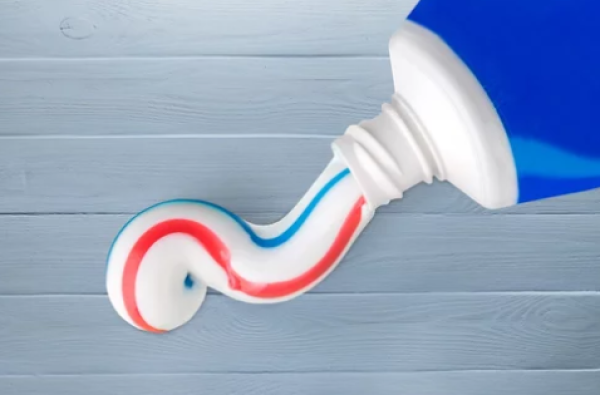
Product characteristics affect which sealing method works better. For liquid products, flowability is high. It is harder to keep the sealing area clean. In this case, ultrasonic sealing is a better choice because it can still form a reliable seal. If you use heat sealing or hot air sealing, strict filling control is required.
For creams and gels, stability is moderate. Most sealing methods can be used. Heat sealing and hot air sealing are commonly used because they provide stable sealing and a good appearance.
For pastes or high-viscosity products, flowability is low. It is easier to keep the sealing area clean. In this case, heat sealing or hot air sealing is usually enough. These methods are simple and cost-effective for this type of product.
Sealing Strength
Sealing strength determines how well the tube can protect the product after packaging. Different products and distribution conditions require different levels of protection. Some products only need to prevent leakage during handling. In this case, heat sealing is often enough. It provides a stable seal at a lower cost.
For products with higher protection needs, sealing strength becomes more important. For example, products may be sensitive to air or moisture, or they may be transported for a long distance. In these cases, a stronger and more consistent seal is required. Ultrasonic sealing or metal tube crimping is better.
If sealing strength is not properly considered, problems may appear after packaging, such as contamination or product degradation. These issues increase returns and damage your brand trust.
Cost
This includes the machine price and the long-term cost, like maintenance. For a limited budget, basic heat-sealing machines are suitable for most production needs. More advanced systems, such as ultrasonic or hot air sealing, require higher investment because of more complex components. Don’t pursue the lowest price at the expense of product quality. It may lead to serious problems later.
Long-term cost is also important. It includes maintenance, spare parts, and energy use. You need to calculate the consumption and make a suitable choice.
Upgrade Your Sealing Efficiency with Anxine Tube Fillers
As a leading Chinese manufacturer, Anxine has 14 years of experience in pharma packaging. We offer different types of tube fillers to meet your sealing needs. Whether you run a small business or a large factory, there is one model to achieve your output. The filling volume could be up to 250 ml, and the filling accuracy is within ±1%. Moreover, you could customize the tube diameter and length for smoother running. If you have any questions, feel free to contact us.


