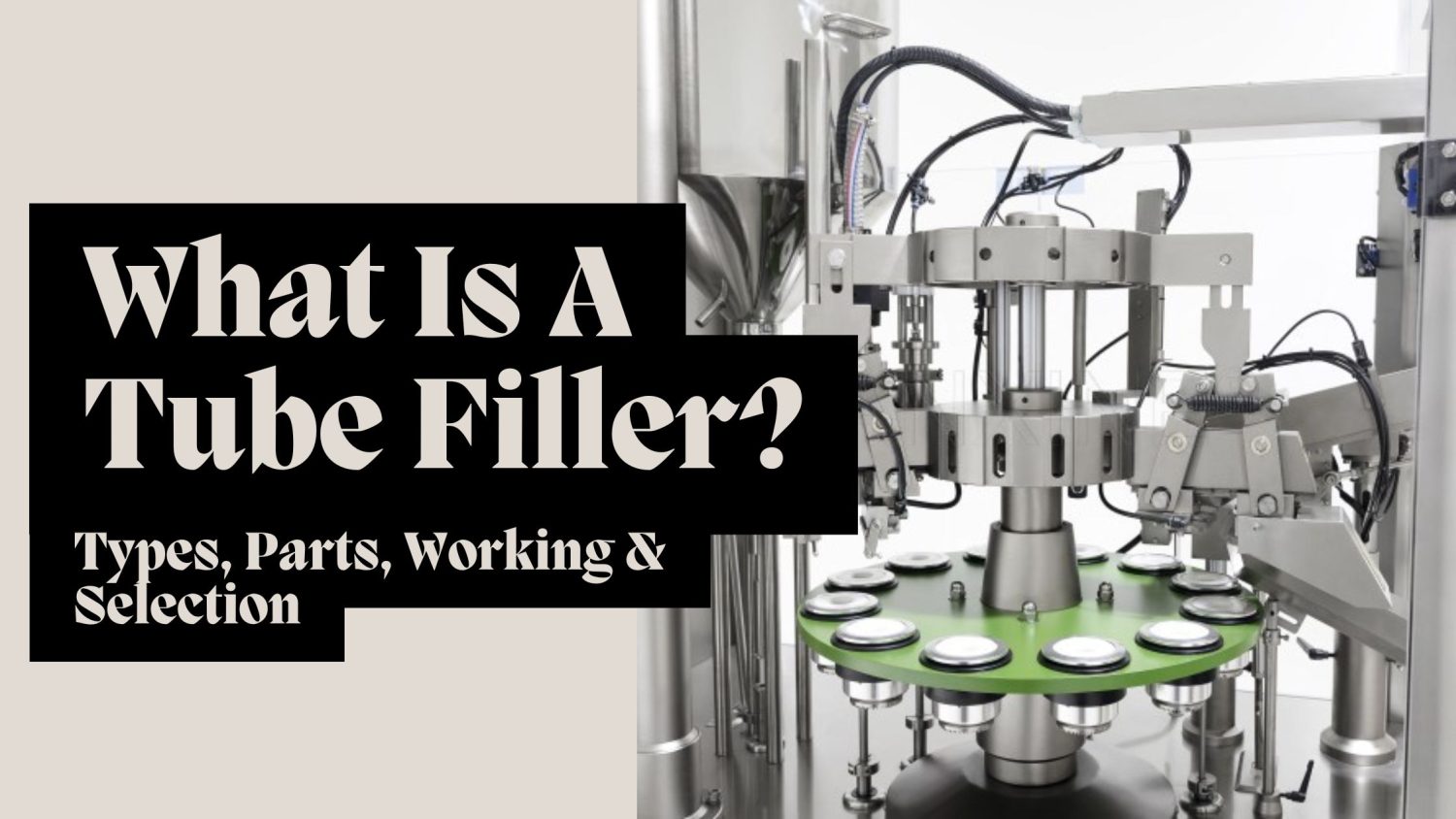
A tube filling machine plays an important role in the pharmaceuticals, cosmetics, and food industries. It produces many tubes with the required amount, such as toothpaste, cream, and ointment. As production demand increases, tube fillers are more popular. If you also want to buy a tube filler, a clear understanding is necessary.
What is a tube filling machine?
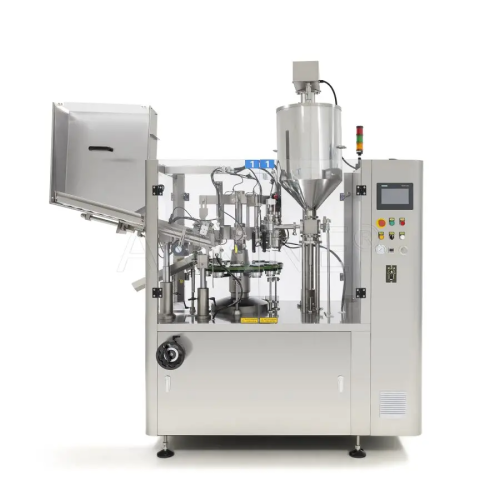
A tube filling machine is a machine used to fill materials into tubes and then seal them tightly. The materials can be cream, gel, paste, or other semi-liquid ingredients. The machine supports controlling the filling amount and speed to meet your production needs.
Advantages of tube filling machines
Tube fillers offer many advantages during production. They include
- High filling accuracy. Precise volume control is available for different materials.
- Great efficiency. The machine completes feeding, filling, and sealing in one process.
- Consistent sealing. This prevents leakage and keeps the product protected during storage and transport.
- Wide application. Besides filling different ingredients, tube fillers can work with different tube sizes and materials.
Applications
Tubes are easy to carry and simple to use. So tube fillers are widely used in
- Pharmaceuticals. The machine is used to produce medical products such as ointments, creams, and gels.
- Cosmetics. Cosmetic products like face cream, lotion, and hand cream are often packed in tubes.
- Food. Some food products use tube packaging, such as sauces, chocolate paste, and condiments.
- Chemicals. Products include adhesives, sealants, and industrial pastes.
What are common types of tube fillers?
There are many types of tube filling machines according to different classification standards. Here introduces you to the types based on automation levels and sealing methods.
Semi-automatic tube fillers
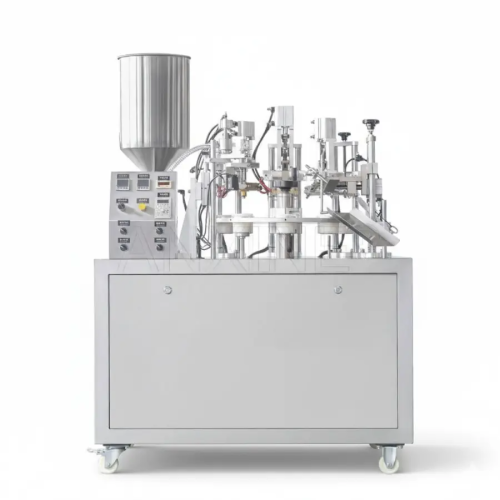
A semi-automatic tube filling machine requires some manual work during operation. An operator usually needs to place empty tubes into holders and remove the finished ones. The machine can complete the filling and sealing steps by itself. This type is suitable for small to medium production. It offers stable filling accuracy, and the price is not very high. It also offers good flexibility when handling different tube sizes or frequent product changes.
Fully automatic tube fillers
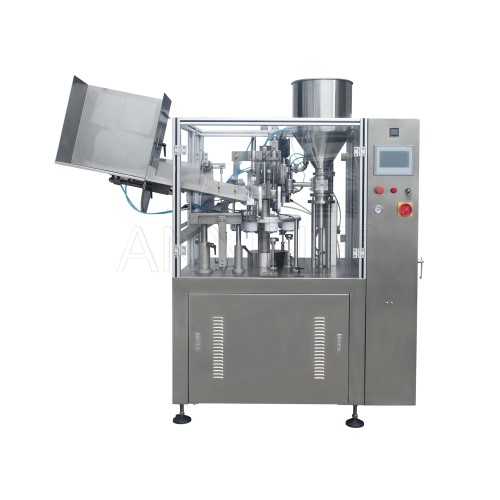
A fully automatic tube filling machine completes the entire process with little human effort. The operator just needs to put the empty tubes into the hopper. The machine finishes the process from tube feeding to discharging by itself. This type is always used for large-scale production that requires high output. It also reduces labor costs and keeps production consistent.
Tube piston filling machines
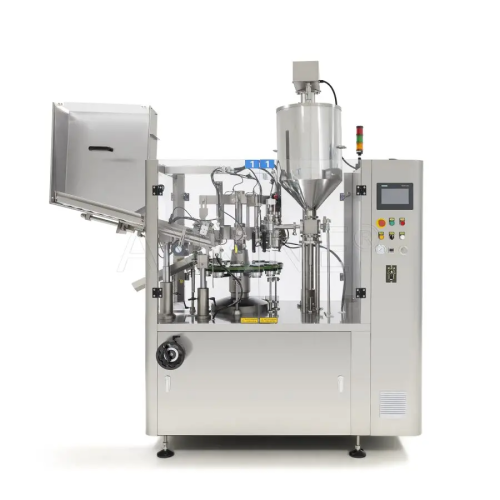
Piston filling is the most widely used filling method. This type uses a piston cylinder to control the filling amount. The piston draws a set volume of product and then pushes it into the tube. This method is suitable for materials that have medium to high viscosity, such as creams, ointments, gels, pastes, etc. This tube filling equipment is always used in the pharma and cosmetic areas.
Tube pump filling equipment
Pump filling is more flexible. It uses a pump to transfer the material into the tube. Common pump types include gear pumps, peristaltic pumps, and rotary pumps. The machine controls the filling amount through pump speed or rotation. It can handle a wide range of products from low-viscosity liquids to medium-thick materials. However, for very thick materials, some pump fillers may not perform as well as piston filling.
Tube volumetric filling machines
This machine fills the materials based on a fixed volume setting. It is a good choice when the material has a stable density and flow. It is often used for liquids or semi-liquids with uniform properties. This machine is less common for thick tube products.
How does a tube filling machine work?
A tube filler handles the tube filling, sealing and coding in one process. The working process is usually as follows.
Material feeding
At first, empty tubes are placed into the hopper. The machine then transfers each tube into a fixed position on the rotary table or holder. Every tube should be correctly aligned before filling begins. Stable feeding prevents jams and keeps the production flow smooth.
Tube positioning and orientation
After feeding, the machine checks and adjusts the position of each tube. Some machines are equipped with sensors to confirm that the tube opening faces the correct direction. This step is important because incorrect positioning can affect filling accuracy and sealing.
Filling
Once the tube is in the correct position, the filling process begins. The tube filling machine measures a required volume of product and fills it into the tube. Thick creams, gels, or pastes usually require strong pressure control.
Sealing
After filling, the tube moves to the sealing station. The sealing method depends on the tube material. Plastic tubes are often applied with hot air or ultrasonic sealing, while aluminum tubes are folded and crimped. The machine applies heat or pressure to close the tube tightly.
Coding and marking
Many tube filling machines support coding and marking. Clear coding could be used for traceability and quality control. It prints batch numbers, production dates, or expiration dates as required. The marking is usually done at the sealing stage to save time.
Discharge
After sealing and coding, the finished tube is released from the holder. The machine then transfers it to an output conveyor or collection tray. Some machines also cut excess material near the seal for a better appearance. At this stage, the tube is fully finished and ready for packaging or inspection.
You can check the video to see how the tube filler works.
What are the key parts of a tube filling machine?
There are many parts in the machine you should know for better operation and maintenance. Take the automatic tube filler CNF-80A for example.
Feeding unit
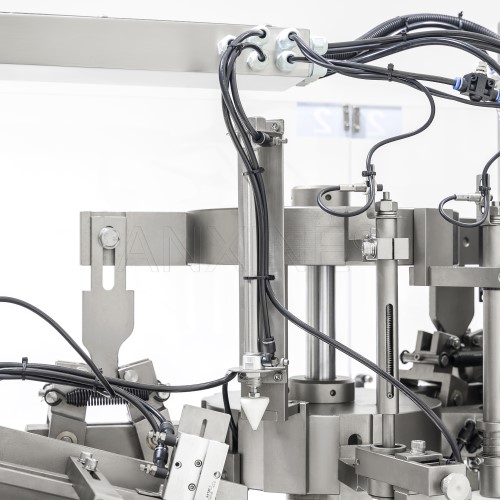
The feeding system is used to move empty tubes into the process station. It includes the tube slot, guide rail, and feeding mechanism. Tubes are arranged and transferred into the holders in the correct order. Moreover, the position and angle of the tube slot can be adjusted based on tube size. It can prevent blockage and ensure stable feeding.
Tube holder and rotary table
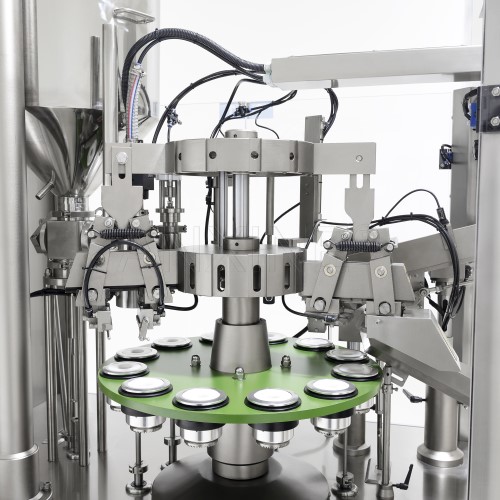
This part carries the tubes through each working station, such as filling and sealing. The tube is fixed in a holder and moves step by step as the table rotates. This component controls the timing of the entire process. The height of the rotary table can be adjusted according to tube length. Therefore, each station can work at the correct position efficiently.
Filling nozzle
The filling nozzle delivers the materials directly into the tube. This can reduce air bubbles and prevent the product from sticking to the tube wall. The nozzle size can be changed based on tube diameter and product type. The position and depth can also be adjusted to match different tube specifications for better quality.
Heating system
This part is used to seal the tubes. There are many sealing methods, including hot air sealing, ultrasonic sealing, folding and crimping. If the machine is equipped with hot air sealing, it uses a hot air blower to heat the tubes. The temperature can be changed depending on the tube material and thickness.
Sealing unit
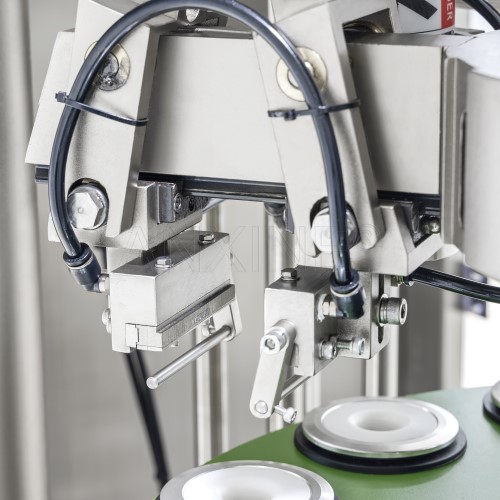
The sealing unit presses the heated tube end to form a closed seal. Meanwhile, it can imprint batch numbers or dates on the tube. This part ensures that the tube is tightly sealed and properly marked for traceability. The pressure, position, and coding settings can all be adjusted to match different production needs.
Discharge system
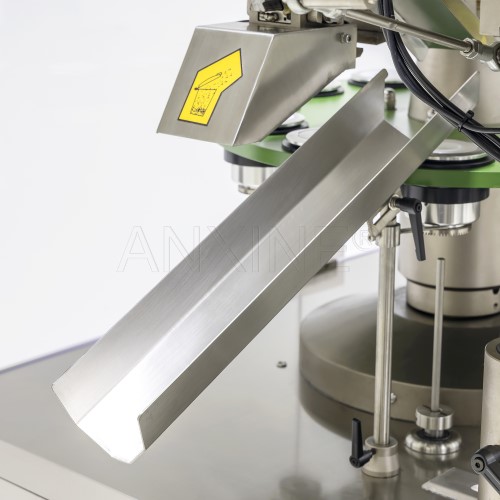
It removes finished tubes from the machine and transfers them to the next stage, such as inspection or packaging. It is used for smooth output and doesn’t damage the sealed tubes. The discharge path and speed can be adjusted to match the overall production flow.
Control panel
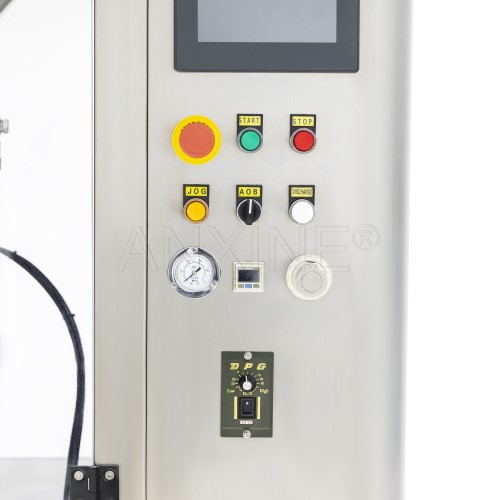
The control panel manages the operation of the entire machine. It allows the operator to set parameters such as filling volume, speed, and temperature. The system also shows alarms and machine status if problems occur. Operators can adjust settings through the touchscreen to control and monitor the process.
How to choose a tube filling machine?
A suitable tube filler helps a lot in your production. So a careful selection is important.
Tube type and material
This is the first consideration. Common materials include plastic tubes, laminated tubes, and aluminum tubes. Each material requires a different sealing method and machine configuration. Plastic and laminated tubes usually need hot air or ultrasonic sealing, while aluminum tubes use folding and crimping.
Tube diameter and length also affect the operation. Bad matching between tube type and machine design can lead to poor sealing or unstable products. Most machines allow adjustment for tube size, but the material must match the sealing system.
Filling volume
Filling volume refers to how much material goes into each tube. The machine must match your required range, such as 5–50 ml or 50–250 ml. If the range is too wide, accuracy may decrease. Many machines have different piston sizes to cover different ranges. Though they could be adjusted, you’d better choose a machine where your main product volume is in the middle of its range. The accuracy could be more stable. For example, if you want to fill 100 ml into each tube, choose a machine with a 10-120 ml piston. If 20-250 ml piston is selected, small mechanical errors may always occur.
Material features
The product has a direct impact on machine selection. Thick materials such as ointments and creams require a strong and stable filling system, usually piston filling. Low-viscosity liquids may work with pump systems. Poor flowability can cause uneven filling or air bubbles, so the machine may need special features such as anti-drip nozzles. It is important to test the material if the machine can handle it well.
Budget
Your production needs should be achieved within your budget. For a start-up business, you may select a semi-automatic model. It balances the cost and product efficiency. When your business gets larger and more profit is earned, a fully automatic tube filler could be considered.
How to maintain a tube filling machine?
Maintenance is also important to keep it running smoothly. Here are some common maintenance tips.
Daily cleaning
Daily cleaning keeps the machine stable and reduces contamination risk. After production, the operator needs to remove the remaining product from the hopper and pipeline. The filling nozzle, valves, and contact parts are then cleaned with water or a mild cleaning agent. After washing, all parts should be dried to prevent residue or corrosion. The outer surface of the machine should also be wiped with a clean cloth to remove dust and spills.
Check and lubrication
Regular inspection prevents downtime for efficient production. The filling system, including the piston, seals, and valves, should be checked for wear or leakage. The sealing unit should be inspected for proper temperature and pressure. Because poor sealing can lead to product loss. Moving parts such as cams, chains, and bearings should be checked for abnormal noise. Electrical components and sensors also require a check to confirm if the signal response is in time.
These parts also need lubrication to work smoothly and reduce friction. Otherwise, they may wear faster and cause problems. In most cases, lubrication is always required once a month. High-speed machines may require more frequent checks.
Recording
Maintenance records could be used to track the condition of the machine over time. Each cleaning, inspection, and repair should be recorded with the date and details. These records make it easier to identify recurring problems and plan better maintenance. In addition, records also support compliance and product traceability. If a quality issue occurs, maintenance data can help check whether the machine condition is a possible cause.


