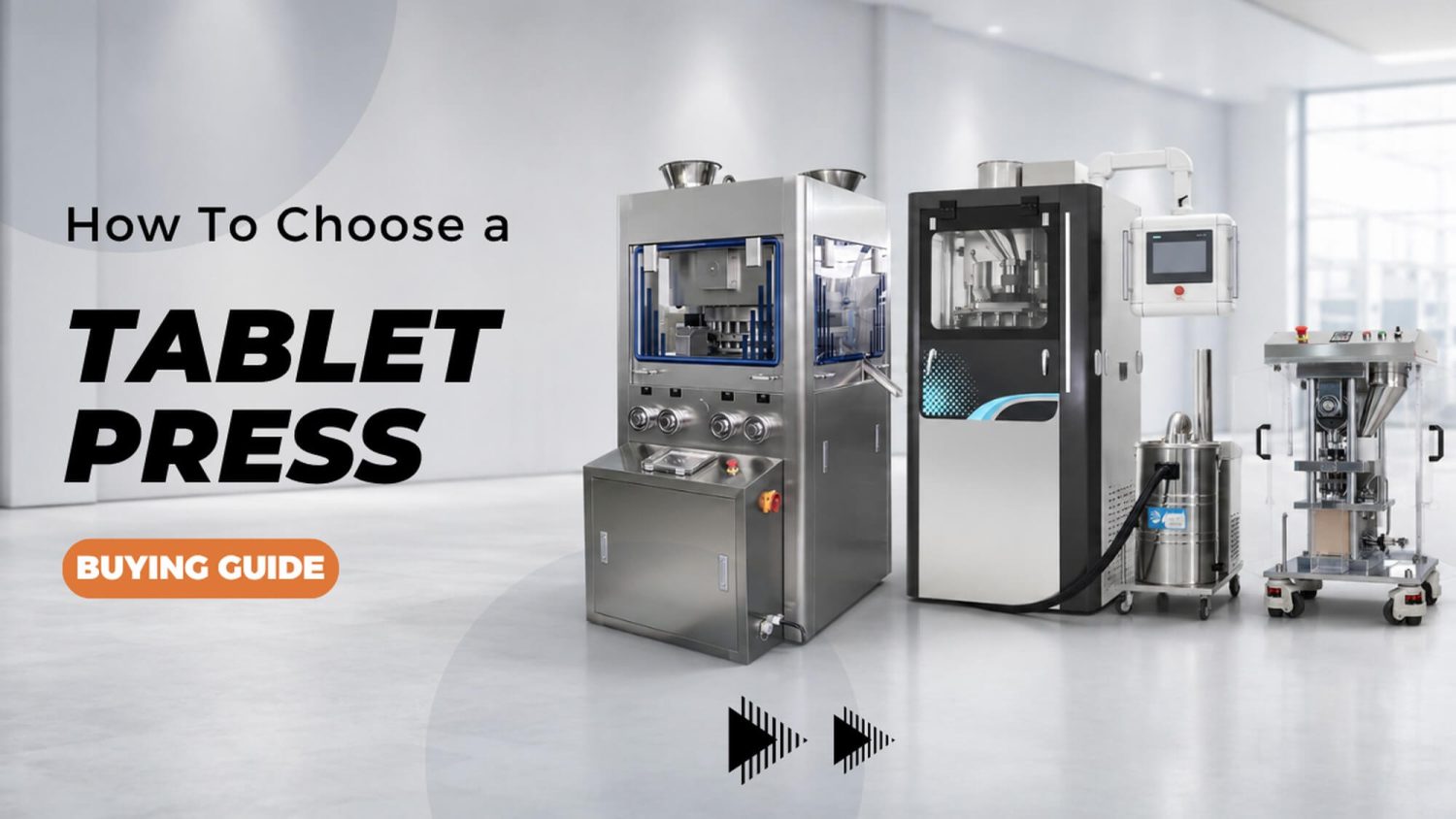
When scrolling through tablet press specifications, it is easy to be drawn to the biggest numbers. Higher output or a wider force range may look better on paper. But those numbers alone do not tell you whether the press will run your product well.
A good buying decision begins before you compare quotes. You need to know the types of tablet presses available, whether your formulation is compatible with the machine, how much usable output you really need, and whether the press will fit into your existing production line.
Tablet Press Types for Different Production Needs
If you are not sure where to begin, machine type is a useful first filter. Tablet press machines usually fall into two main categories: single-punch presses and rotary presses.
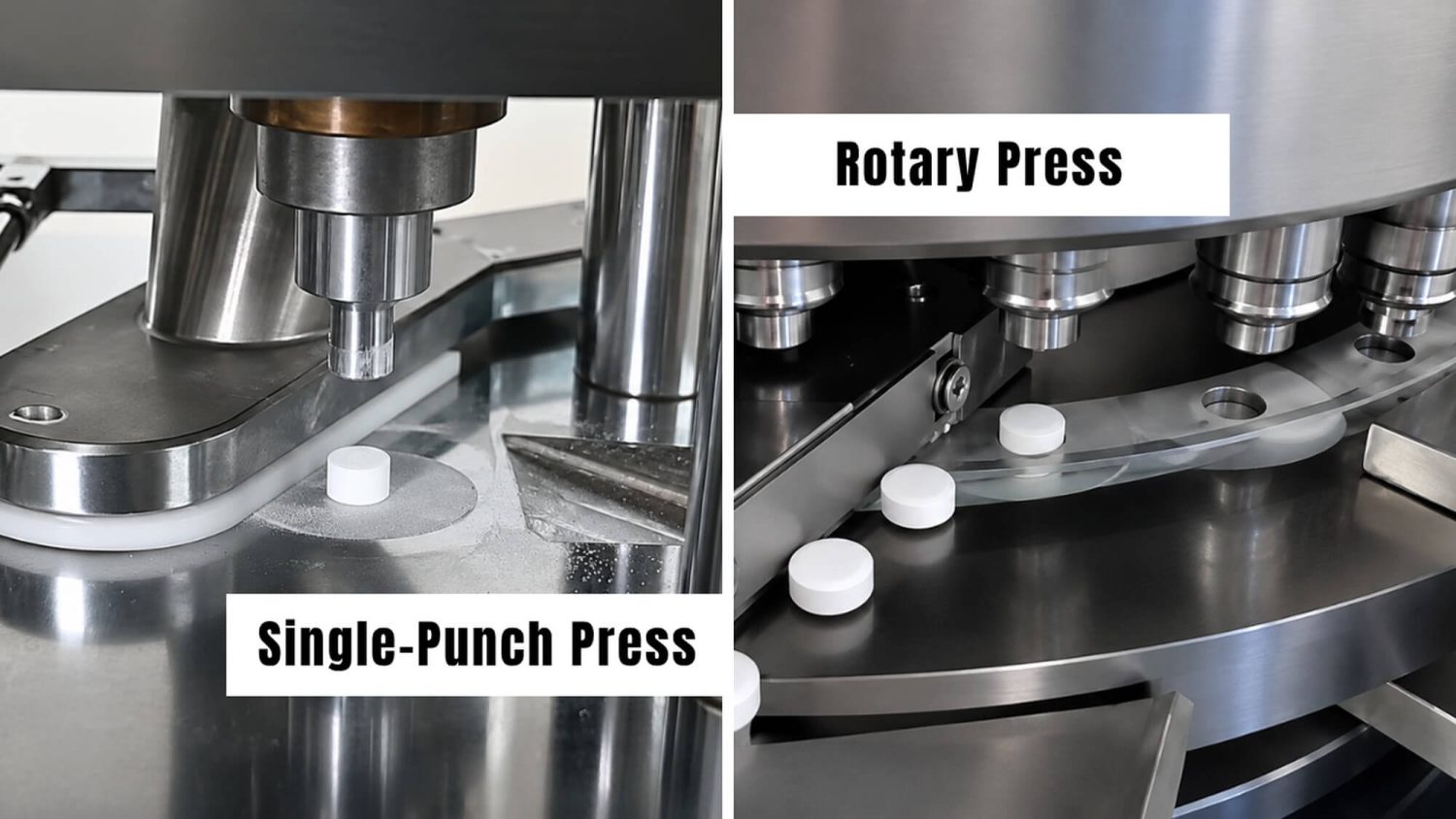
A single-punch press produces one tablet at a time. The low output makes it suitable for simple lab work or very small batches. If you are developing a new product for later scale-up, a dedicated R&D press may be a better option.
Rotary tablet presses use multiple punch-and-die stations on a rotating turret, so they can make many tablets in each rotation. These machines also cover a wide range of applications, from smaller batches to regular commercial runs. If you need much higher output, a high-speed rotary press may make more sense. This type usually has more stations and runs at higher turret speeds.
| Production need | Tablet press type to consider | What to look for |
|---|---|---|
| Simple trials | Single-punch press | Easy operation for small test batches |
| New product development or scale-up | R&D press | Useful process data relevant to scale-up |
| Small production batches | Compact rotary press | Easy changeover and flexible operation |
| Regular commercial runs | Rotary tablet press | Stable output under normal production conditions |
| High volume production | High-speed rotary press | Stable die filling and compression at high turret speed |
Machine type alone does not decide which press is best. If your factory changes products often, a flexible machine may suit you better than a high-speed one. But if you run the same product for long periods, speed should be the priority.
Scale-up also matters if you will use the press for product development. A formulation that works well on an R&D press may behave differently on a larger rotary machine. As production speed increases, dwell time becomes shorter. This can affect how the tablet forms.
In that case, a servo-driven R&D press may be worth considering. It can reproduce punch speed and dwell-time conditions closer to those of a high-speed production press.
Match Tablet Press Selection to Your Product
Now that the main tablet press types are clear, the next move is to find out whether the machine can handle your product. Production problems are not always caused by machinery failure. Sometimes the press is fine, but the powder does not match its feeding or compression system.
How the Formulation Behaves
Flowability matters a lot on a rotary tablet press. For direct-compression formulations, powder flow can affect the feed frame you need. If the blend doesn’t flow well, it can bridge in the hopper. The dies may not fill evenly. This can lead to inconsistent tablet weight and hardness. In that case, you will need a force feeder rather than a regular gravity feeder.
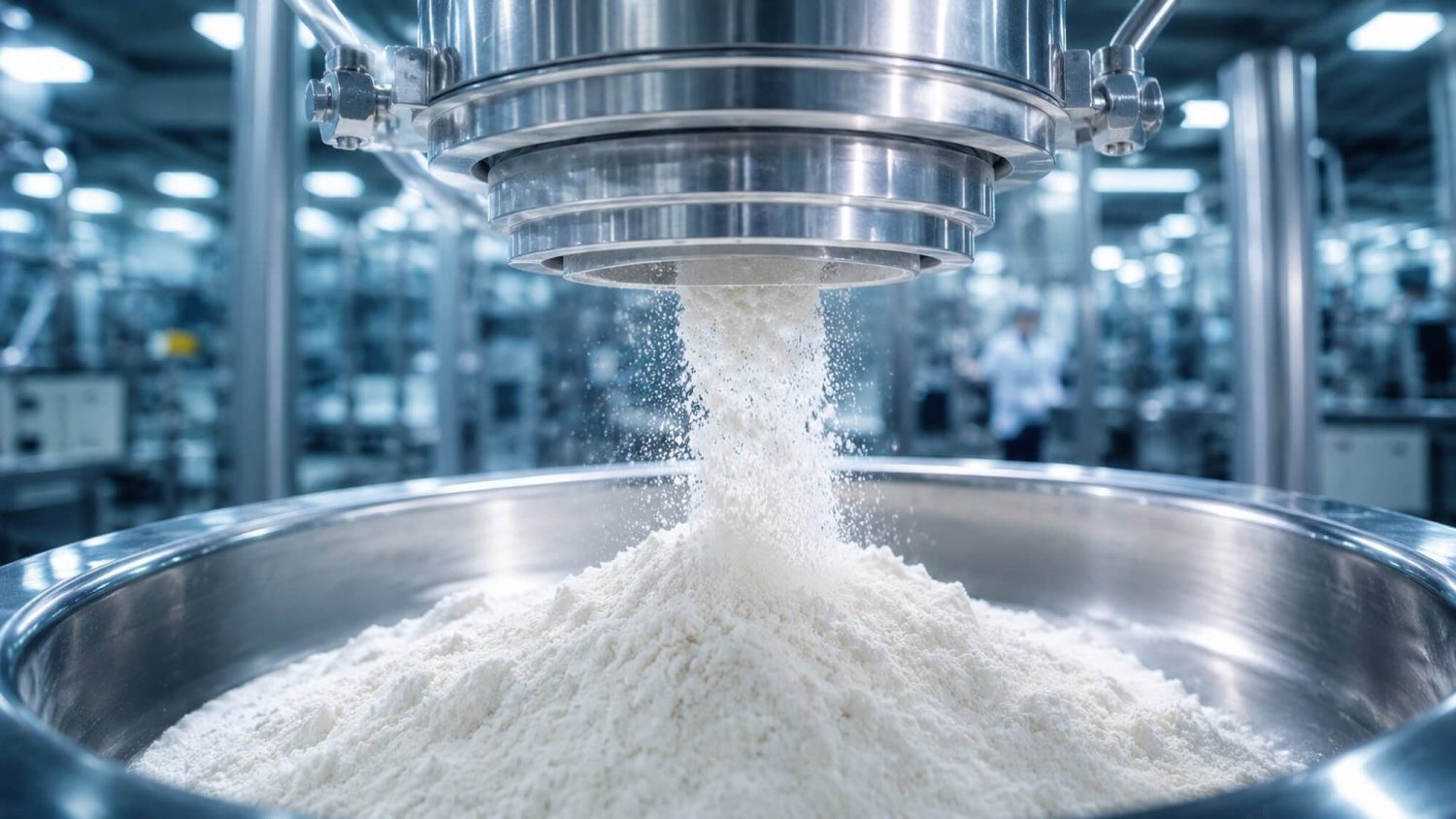
Underfilling may also happen when a poor-flowing blend cannot keep up with a faster turret. A press may be rated for 100,000 tablets per hour, but your product might run at only 50,000 or less. So do not rely on catalogue speed alone. Test your formulation at a realistic production speed before you buy.
FDA inspection guidance for oral solid dosage forms also points out that newer equipment works best with granules that flow well and stay uniform.
How the formulation behaves under pressure is also important. Some blends need a different compression setup to make tablets with the right hardness. So even if a press has plenty of maximum force on paper, that does not mean it will suit every product.
Light, fluffy, sticky, or hygroscopic powders may also change the machine configurations. For example, the press may need pre-compression, specially coated tooling, or stronger containment. That is why you should base machine selection on real formulation data.
Tablet Size and Product Requirements
The tablet’s physical design also affects the press and tooling configuration. Its size and shape help determine which tooling standard can be used. Larger tablets may require larger tooling, such as D tooling, which takes up more space on the turret and may reduce the number of available stations.
Target tablet weight also sets how much material must fit into the die before compression. Heavier tablets need more material, and low-density blends require more space. That may mean a deeper fill.

Tablet shape and surface design can create additional tooling requirements. Shaped tablets may require keyed or anti-rotation tooling to keep punches aligned with the dies. If your product needs deep score lines or detailed embossing, it can increase picking risk. So if the formulation is already prone to sticking, you may need to consider punch-face design or a suitable tooling coating.
Set a Capacity Target Based on Real Production
Capacity is often one of the first figures buyers compare. Most rotary tablet press specifications show a maximum output in tablets per hour. That number is useful, but it may not reflect how many good tablets you can actually produce.
Why Rated Output Can be Misleading
Usually, the output shown on a website or in a brochure is the press’s theoretical maximum. It is calculated from the number of stations and turret speed under ideal conditions.
In real production, many pharmaceutical and supplement blends may stop the press from reaching its maximum speed. Your formulation may need to run slower to keep tablet quality stable. Rejected tablets and changeovers can slow down the machine as well.
For this reason, find out whether the stated rate is a theoretical output or a demonstrated operating rate. The better question is not whether the press can reach its top speed. Ask the supplier whether your formulation can run well at that speed. If your product is difficult to compress, a material trial will tell you much more than the headline number.
How to Estimate the Capacity You Need
A simple planning calculation is:
Required Average Output = Required Tablet Volume ÷ Effective Production Hours
This is only a planning estimate rather than an official tablet press formula. A peer-reviewed pharmaceutical manufacturing study used the same basic logic. It set a fixed annual tablet demand, then allowed for available production days and time lost to non-production work.
Effective production hours should already exclude planned downtime. For example, the study reserved time for maintenance and cleaning before calculating available processing hours.
The result gives you a starting capacity target. It should still leave some room for process losses, because actual production yield is rarely 100%.
Read Tablet Press Specifications Before Buying
Once you know the product requirements and capacity target, the specification sheet can be used to check whether a shortlisted press fits the job.
Compression Force and Pre-Compression
Check main compression force and pre-compression force separately when both are specified.
Maximum main compression force shows the highest force the press can apply in that setup. But it is not the force every tablet should use. So a higher kN number does not automatically mean a better press.
Pre-compression happens before the main compression step. If your formulation needs it, check how much pre-compression force the machine can actually provide. Just having the function does not mean the available force will be enough.
Compare force values with the compression data you already have from development or earlier trials. Then you can confirm that the press provides enough compression range for your production.
Dwell time matters too, but it is not a fixed machine rating. The value changes with press speed and tooling setup. It is better to evaluate it under real running conditions than compare it as a single number on a spec sheet.
Tooling, Turret, and Tablet Limits
Tooling type and turret configuration need to be read together. A different tooling type can change the number of punch positions on the turret. That can also change the largest tablet the press can make and its rated output. For example, a press with B tooling may have 40 die positions for smaller tablets. If you switch to D tooling for larger tablets, the turret may only have 30 positions.
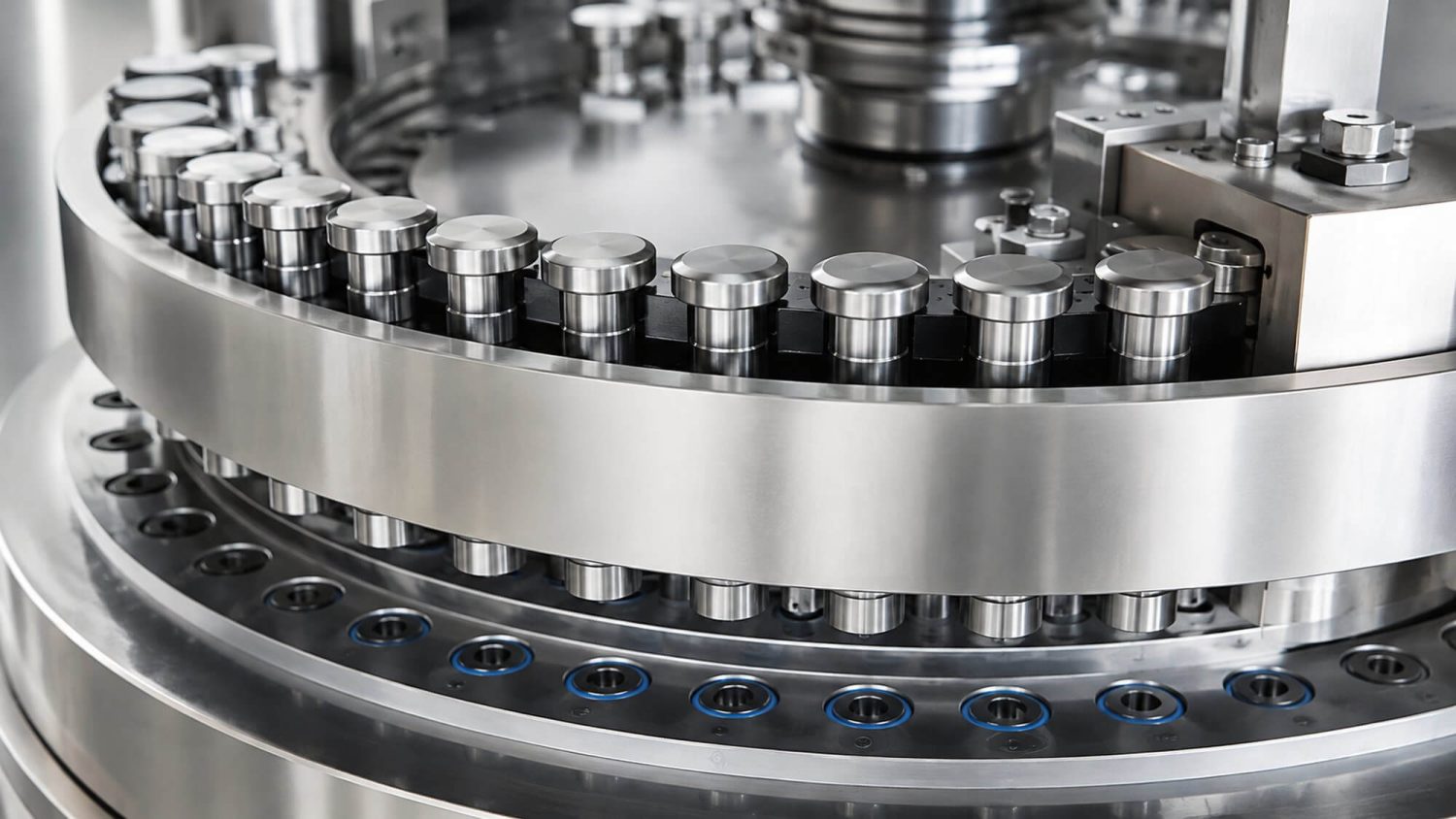
Also check the maximum fill depth for the tooling setup you plan to use. It shows how much loose powder the die can hold before compression. This matters because a deeper fill allows more material to enter the die and can support a higher tablet weight.
That is why figures like maximum tablet diameter or maximum output should not be compared on their own. You need to check which tooling and turret setup those numbers are based on.
The main specification table may not include every feature you want to check. Feeder type and other features may be listed elsewhere in the machine documents or quotation.
Check How the Press Fits Daily Production
Even if a press can make the right tablet, it still needs to fit your daily production. Frequent changeovers may reduce usable output. A poor match with downstream equipment can disrupt the whole line. These checks help show whether the press will work well in your facility.
How Easy Is Changeover?
If you plan to run several products on the same press, easy changeover becomes important. Can you easily remove the feeder and tooling? Is the compression area accessible for cleaning? How long does it take to remove and replace a turret? These all should be confirmed.
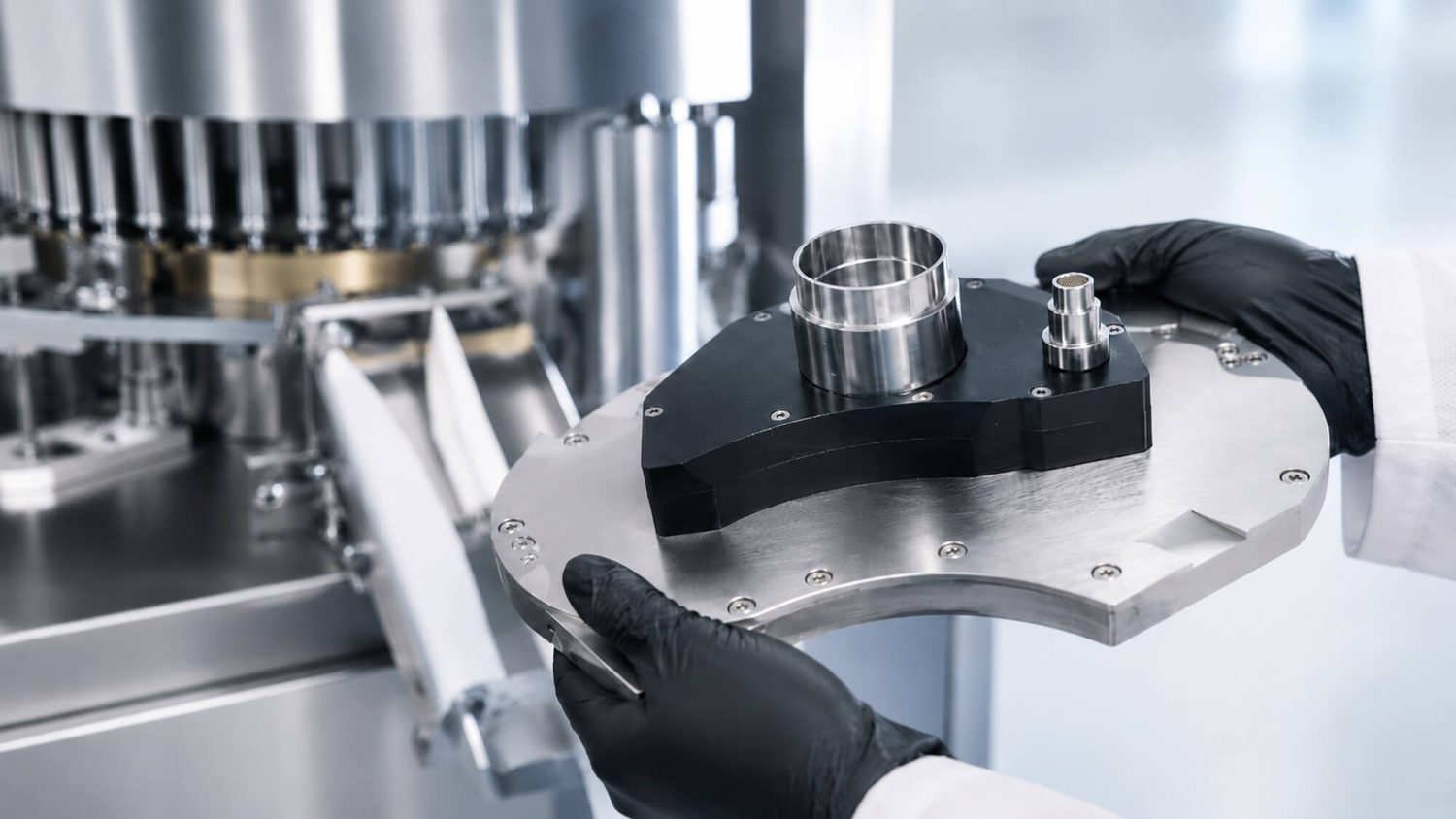
These are real design differences between tablet presses. Some modern machines make the compression area easier to access and use an interchangeable turret to speed up cleaning and product changes. Others use a removable module that includes the turret and product-contact parts. In that case, you can remove the entire compression section and replace it with another prepared module.
If your factory makes a single product in large volumes for long runs, running speed may matter more. But if you switch products often, faster changeovers become much more valuable.
Will the Press Fit Your Production Setup?
Machine footprint alone is not enough. Operators may need room to open guards and remove parts during cleaning or changeover. The layout should leave enough space around the press.
Tablet compression usually creates dust. Most presses do not have a full dust-extraction system built in. So the compression area is usually enclosed and has suction points. A tablet deduster is commonly installed after the press to remove loose powder from finished tablets.
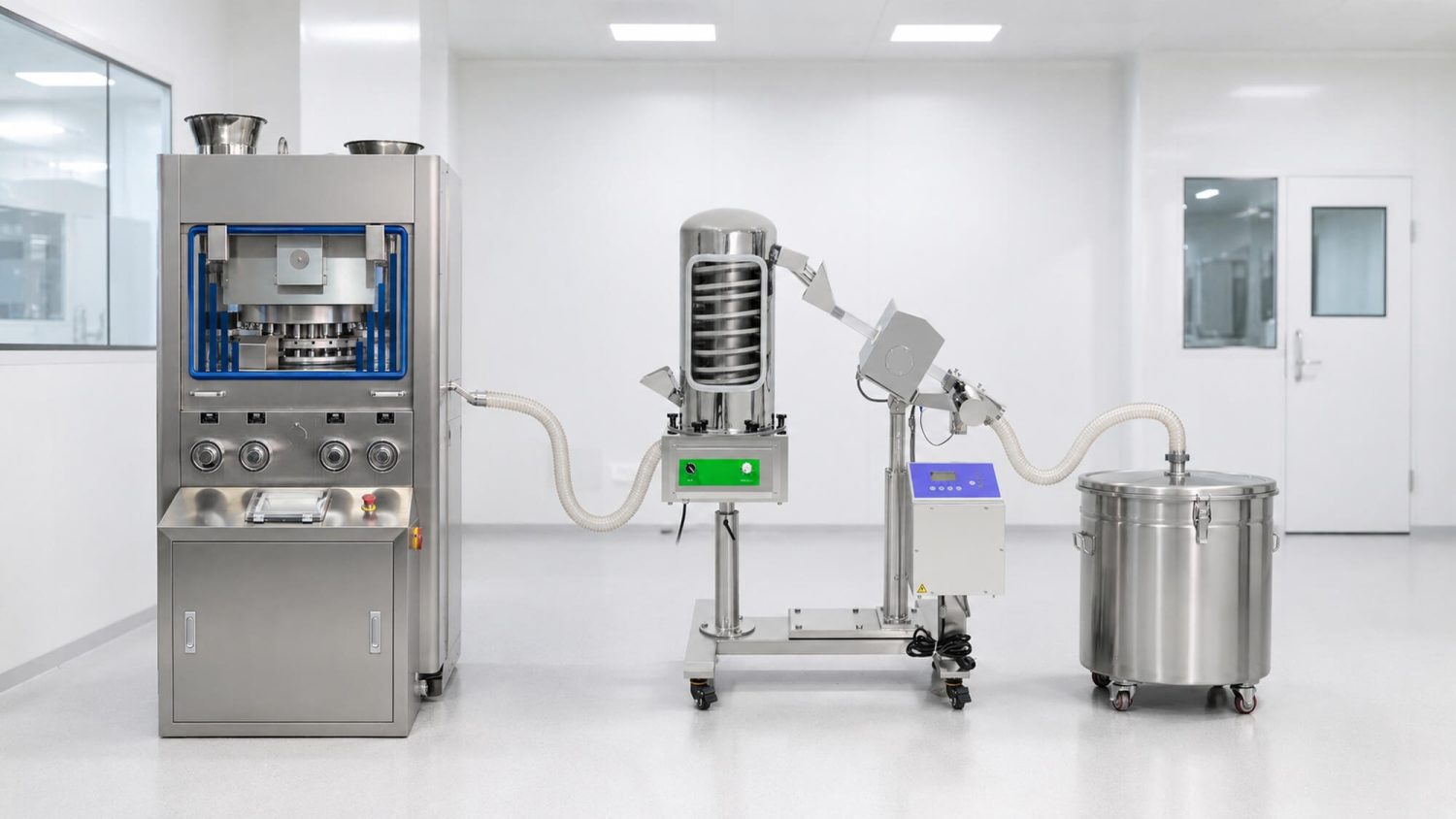
Next, check the tablet discharge connection. The outlet height and discharge setup need to match the downstream deduster or metal detector. Some tablet presses list outlet height as a specific machine parameter, so it is worth checking during line planning.
Also make sure the downstream equipment can keep up with the press. If the deduster or metal detector runs slower, how fast the tablet press is may be all in vain. Tablets can back up, and the whole line may have to slow down.
Test the Tablet Press Before Purchase
Specifications can narrow the options, but a trial gives you direct evidence of how the press handles your product.
Run a Material Trial
A material trial is especially useful when the formulation has uncertain flow or has shown compression problems during development. It also becomes more important when the planned production speed is high.
Use the actual formulation when practical. If that is not possible, agree on a representative material and the test conditions before the trial. The press should be tested close to the speed you plan to use in production.
Then you can check whether tablet weight remains stable during the trial. Watch for problems such as sticking or capping too. If the press only makes good tablets after slowing far below your target speed, you may need to reconsider the planned capacity or machine setup.
Define FAT Acceptance Criteria
Factory Acceptance Testing (FAT) should check whether the finished machine meets the requirements agreed before shipment.
EU GMP Annex 15 on Qualification and Validation states that equipment may be evaluated at the supplier’s site before delivery. Where needed, the machine should be compared with the agreed user requirements or functional specification. Testing should also use acceptance criteria set in advance.
For a tablet press, define what the FAT will cover before it begins. This may include the agreed machine configuration and the functions the press must perform. If a product trial is included, the tablet acceptance criteria should also be part of the FAT plan.
Before You Request a Quote
Suppliers can make a more accurate recommendation when they receive enough information about your machine and production requirements. This also reduces guesswork and makes the quotations easier to compare later.
The information should at least include:
- Tablet drawing and target weight
- Formulation details that may affect compression
- Target output and normal batch size
- Planned product formats
- Tooling and turret configuration
- Any required controls or qualification documentation
If an important requirement is still unknown, list it as an open item. That way, each supplier is working from the same information instead of making their own assumptions.
Key Takeaways
- The first choice is usually between a single-punch press and a rotary press. After that, the right machine depends on your tablet design, formulation, tooling needs, and production scale.
- Catalogue output is only a reference. Your real production speed depends on whether your formulation can feed and compress well at that rate.
- Specs like tablet size, station count, fill depth, and rated output can change with the tooling and turret setup. So those numbers only make sense when you know which configuration they are based on.
- A material trial shows how the press handles your actual product. FAT then confirms that the machine meets the agreed requirements before shipment.
References
- U.S.FDA. Oral Solid Dosage Forms Pre/Post Approval Issues.
- Journal of Advanced Manufacturing and Processing. Enabling energy-efficient manufacturing of pharmaceutical solid oral dosage forms via integrated techno-economic analysis and advanced process modeling.
- European Union. GMP Annex 15 on Qualification and Validation.