A gummy defect does not always point to one cause. The same problem can come from the formulation, a change in the gummy manufacturing process, or a specific part of the equipment. Before changing the recipe or machine settings, it helps to find out when the problem first appears and whether it affects the whole batch or only part of the gummy production line.
This guide looks at nine common gummy manufacturing problems. We’ll also explain what to check first and what adjustments may help you find the cause.
Check Where the Problem Starts
The stage where a defect first appears can tell you where to look. For example, gummies that are already sticky during demolding may need a different investigation from gummies that begin sticking together several days after packaging.
Before making an adjustment, check the earliest step where you can already see the problem.
| When the problem first appears | What to check first |
|---|---|
| Before depositing | Gummy mass temperature, °Brix/soluble solids, hold time, or pH after acid addition |
| During depositing | Deposit weights from different nozzles, nozzle and its piston, mass temperature in the hopper, or depositor settings |
| During cooling or demolding | Actual cooling residence time, gummy temperature at demolding, mold cavities, or demolding position |
| During conditioning | Moisture content, water activity (aw), or room relative humidity |
| After packaging or during storage | Aw and texture with the results at packing, package seal, moisture barrier, or storage humidity |
The pattern matters too. If the entire batch develops the same problem at about the same time, the cause is more likely to involve the gummy mass or a process condition. If the defect keeps showing up in the same mold cavities or the same part of the gummy production line, check the related equipment before changing the whole formulation.
1. Why Are the Gummies Sticky?
Gummies become sticky when too much moisture stays on the surface or is absorbed from the air. This can happen before the gummies are fully set or during conditioning. Stickiness after packaging is also common, but the cause may not be the same.
If the gummies are already tacky when they are demolded, first check whether they have fully set. You can also compare their moisture content with a normal batch.
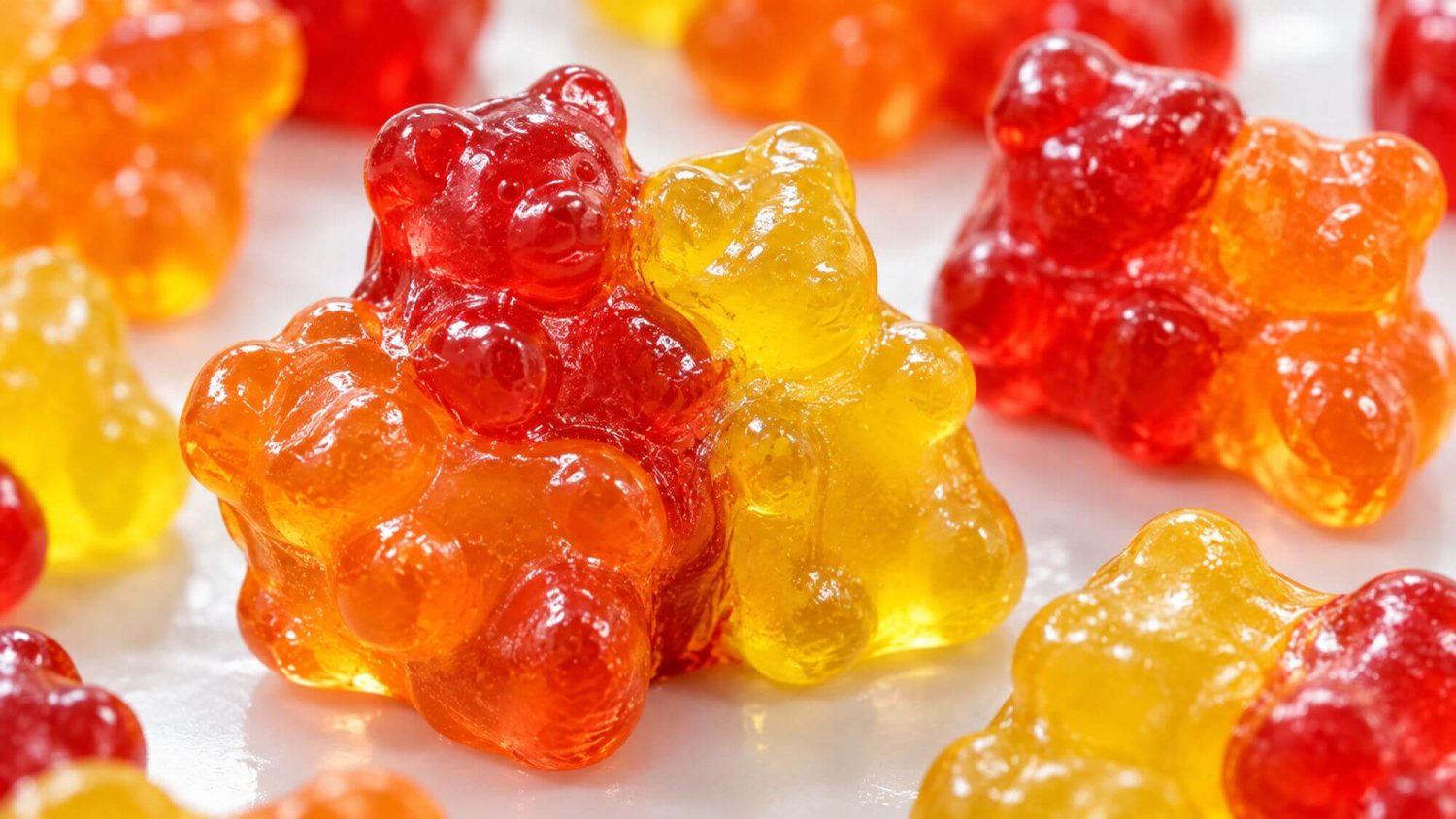
If gummies become sticky during conditioning, measure their water activity (aw). Research on gummy candies suggests that stability may become a concern when aw rises above about 0.60. For shelf-stable gummies, an aw below 0.60 is therefore a useful reference point. The final limit should still be validated for the actual formula.
If the gummies were normal when packed but became sticky later, compare the current aw with the aw measured at packaging. You can also check whether the package is properly sealed.
For more detailed troubleshooting, see How to Keep Gummies From Sticking Together.
2. Why Are Gummies Too Soft or Not Setting?
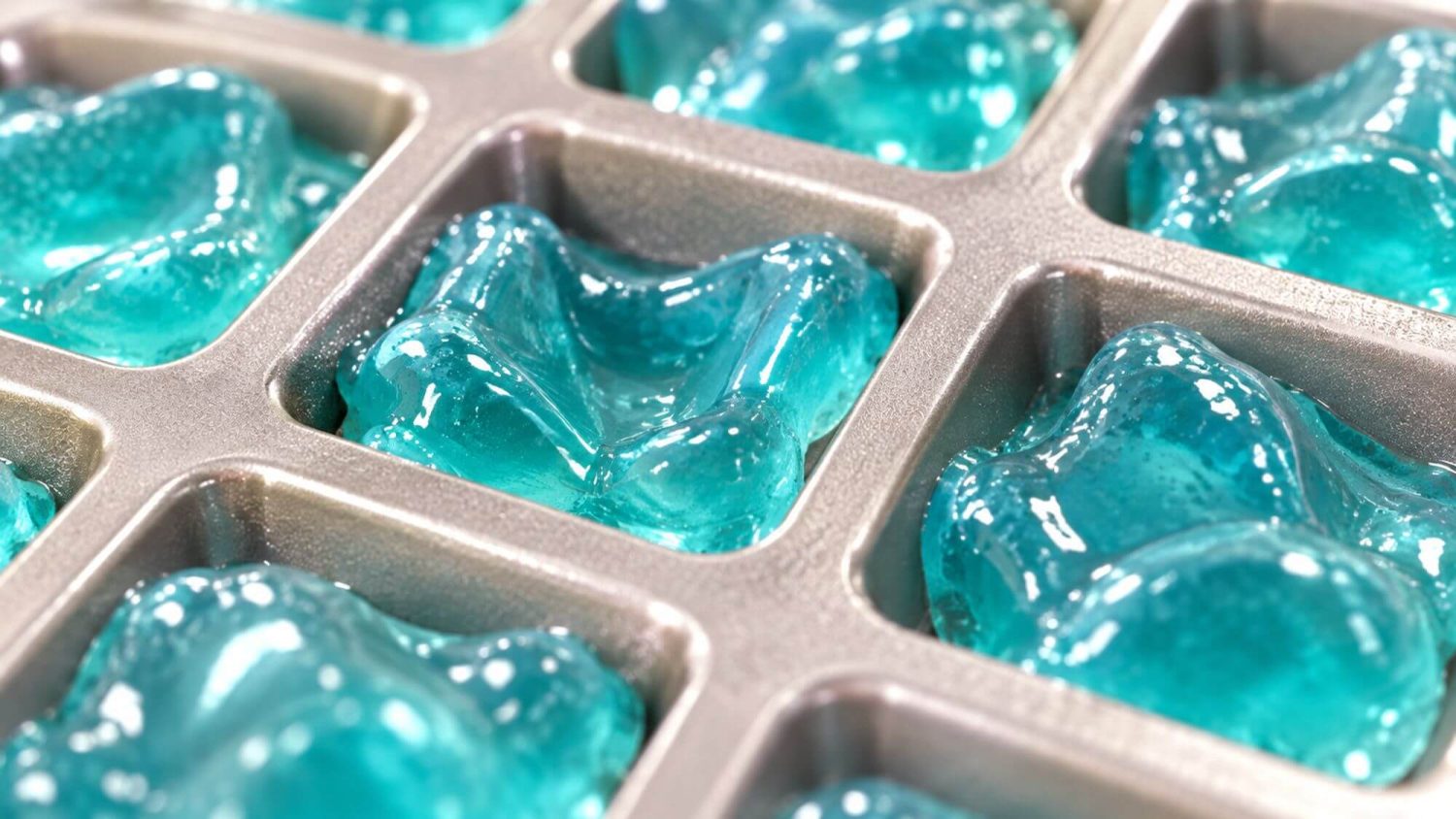
A gummy that is still soft after its normal setting time may not have formed the gel structure properly. Simply adding more gelling agents may not help. What you need to check depends on whether the formula uses pectin or gelatin.
Pectin Gummies That Fail to Set
For an HM-pectin gummy, check the final pH after the acid is added. You can also use a refractometer to measure the cooked mass. Research on HM-pectin gummies reports that conventional industrial products are often around 76–82 °Brix and a finished pH around 3.0–3.3.
A °Brix reading well below this range may mean that too much water remained after cooking. If the pH is higher than expected, check the acid addition next. You need to confirm the actual acid dose before changing the pectin level.
LM pectin relies on calcium to form the gel, so it needs a different check. Confirm that the calcium source and amount match your formula. The HM pH and °Brix ranges should not be used as the main reference for troubleshooting an LM-pectin gummy.
Gelatin Gummies That Stay Too Soft
If gelatin gummies are still too soft at demolding, first check the cooked mass against the usual °Brix range. A reading below about 75–80 can suggest insufficient water removal during cooking. Also confirm the gelatin amount and Bloom grade. Bloom strength has a direct effect on final gel firmness.
One study found that a gummy mixture with 1% citric acid produced a weaker gelatin gel when it was heated above 100°C. That does not mean 100°C is a fixed limit for every formula. But it is worth checking whether the batch stayed too hot for too long after the acid was added.
If your gummies are starch-molded, look at the moisture level of the molding starch. High humidity in the curing room can also slow drying.
3. Why Do Gummies Become Too Hard?
When gummies turn out too firm after setting, they may have lost too much water during cooking. A higher-than-usual °Brix can be a sign of this. For gelatin gummies, the actual gelatin dose and Bloom grade should be checked. Too much gelatin or a higher Bloom strength can make the final texture harder.
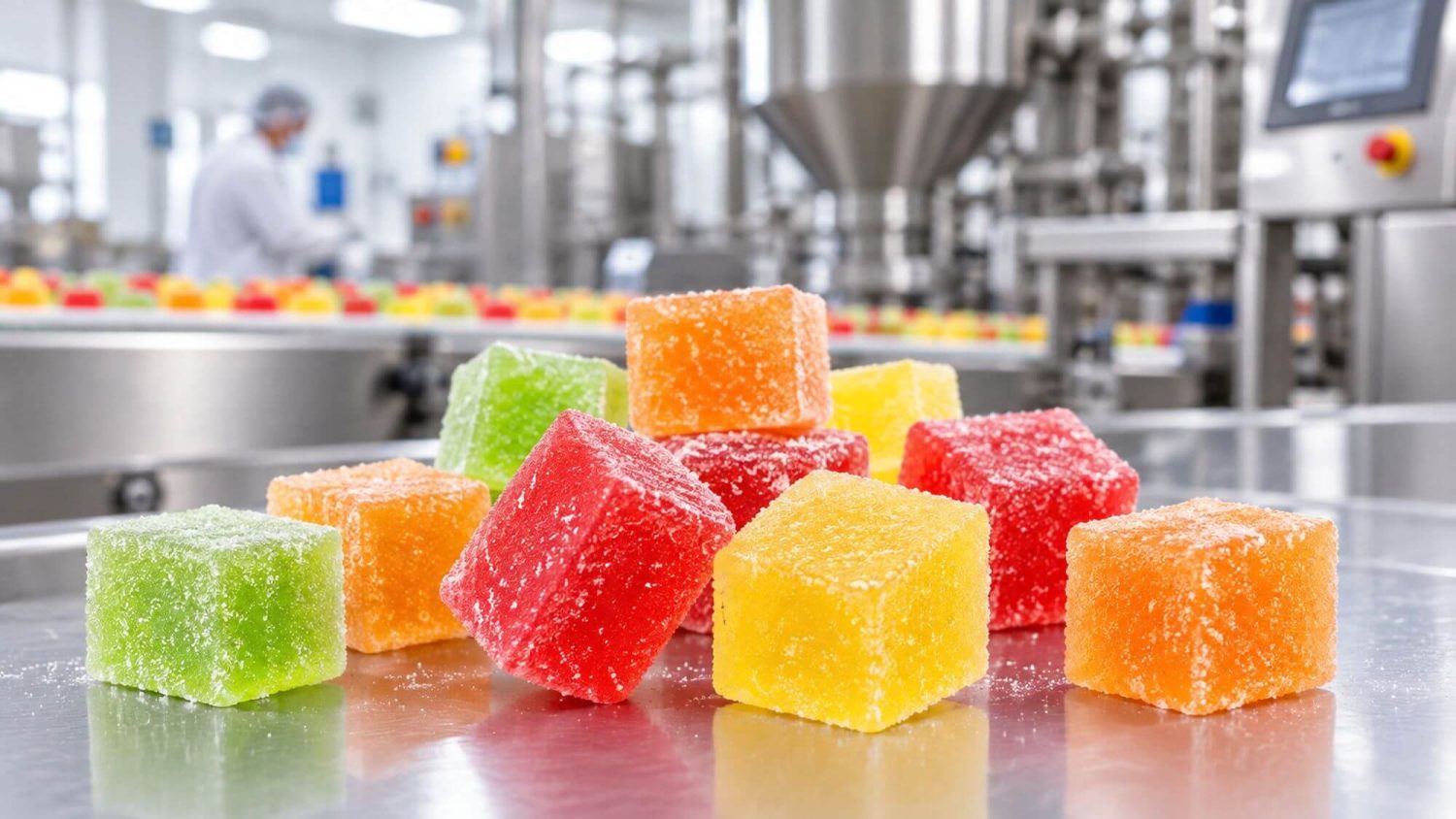
Curing conditions also matter. If starch-molded gummies stay in the curing or drying room much longer than planned, they can lose too much moisture and become firmer. Low room humidity can make them dry even faster.
If the gummies have the right texture when packed but harden later, they may have continued to lose moisture after packaging. In this case, you should inspect the package seal and moisture barrier.
4. Why Are Gummies Sweating or Weeping?
Visible droplets on a gummy are different from a surface that just feels sticky. Sometimes the moisture comes from condensation rather than from the gummy itself. This can happen when gummies move from a cool area into warmer, humid air and water forms on the surface.
If liquid still appears after the gummies have reached room temperature, the water may be coming from inside the gel. That means the gel is releasing some of the water it once held. This is called syneresis.
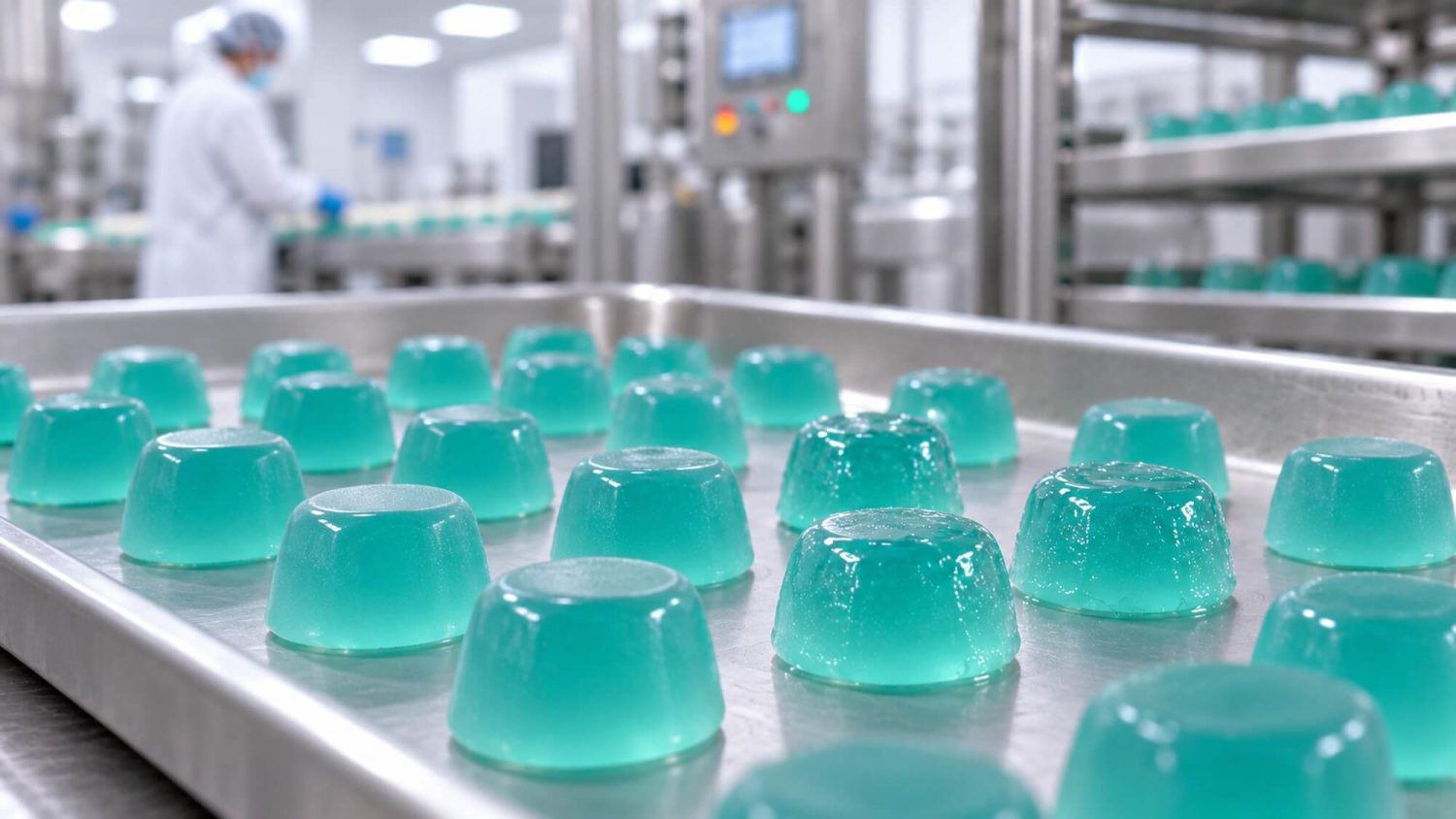
HM-pectin gummies can release liquid when the final pH drops too low and the gel sets too quickly. As a result, the gel structure may not form evenly. For LM pectin, too much calcium can produce a brittle gel and cause it to release water.
When weeping begins only after the gummies have been stored for a while, temperature changes may be part of the problem. Repeated shifts between cool and warm conditions can cause the gel to release liquid. If so, adding more coating may only cover the symptom. The better fix is to keep the storage temperature more stable.
If sugar coating is part of your manufacturing process, please check whether the coating conditions caused the issue. See our gummy sugar coating guide for the commercial coating process.
5. Why Does the Gummy Mass Thicken Before Depositing?
Gummy mass can become too thick before depositing when it starts setting too early or cools down too much in the hopper. You may notice:
- The gummy mass flows more slowly from the nozzles.
- Deposit weights become less consistent.
- The mass forms strings at nozzle cut-off.
- Some mold cavities are no longer filled cleanly.
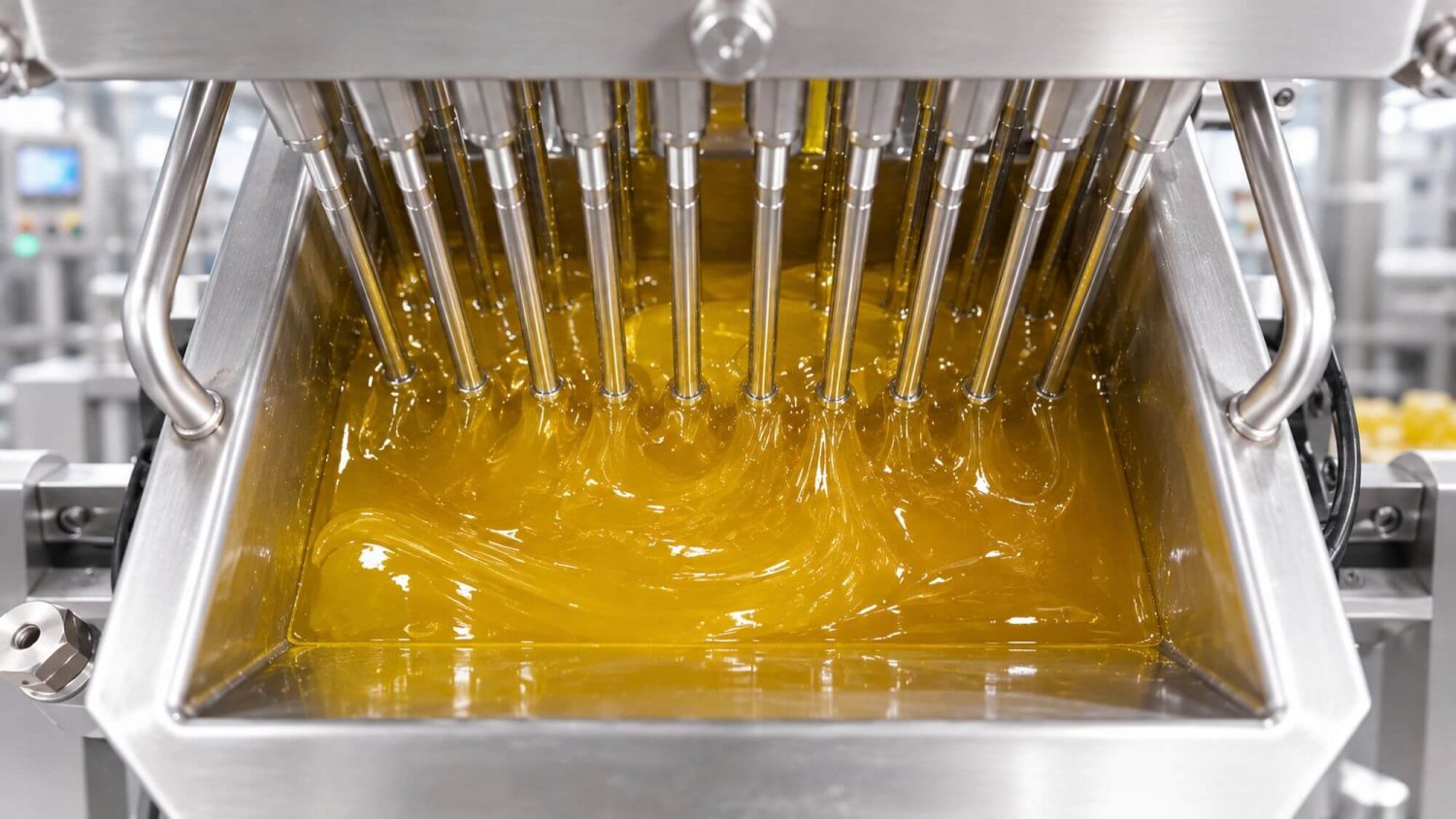
In pectin gummies, early thickening occurs because of premature gelation. Acid timing is one possible reason. If the acid goes in too early, the mass may begin setting before it reaches the molds.
Temperature is another common cause. If the gummy mass cools down in the hopper, it becomes thicker and harder to deposit. This is more likely when production stops or slows for a while.
When the formula allows, adding the acid closer to depositing can give the gummy mass more time before it starts to set. Keeping the hopper at the right holding temperature also helps prevent the mass from becoming too thick. If the depositing window is still too short, you may want to use a slower-setting pectin.
6. Why Are There Air Bubbles in the Gummies?
Air bubbles usually form when air gets into the gummy mass during mixing or transfer. They can also appear when the depositor does not feed the mass smoothly.
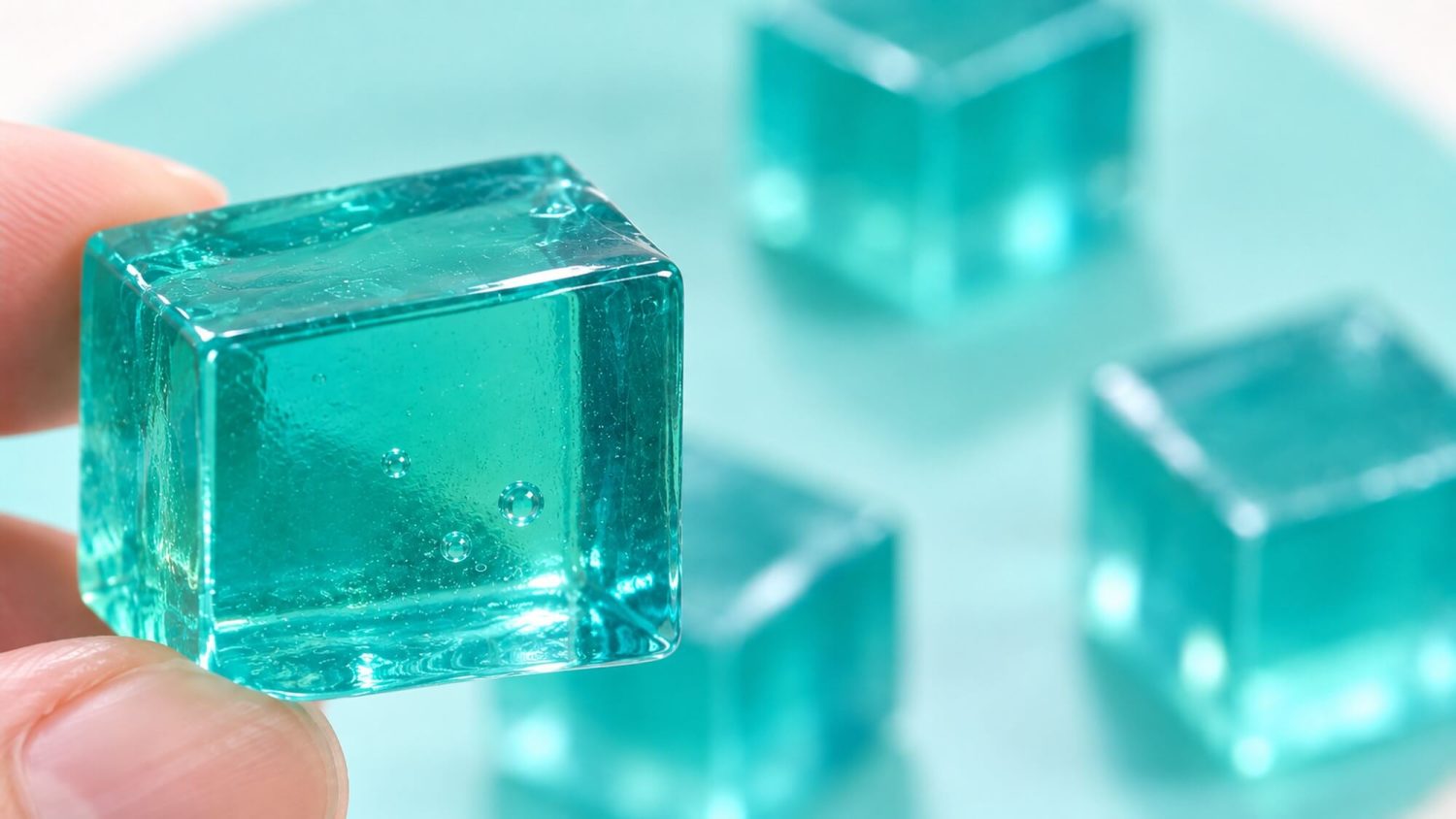
Where the bubbles appear can give you a clue about what is causing them.
Bubbles across the whole batch: When you prepare the formula or send it to the next stage, air can be pulled into the mass, especially after strong agitation or pumping. If your gummy production line includes a vacuum chamber, also check whether it is removing trapped air well enough.
Bubbles in the same mold positions: The problem may come from the matching depositor nozzle or piston. Trapped air inside the piston chamber can cause an uneven feed. Worn seals or O-rings may let air leak into the system. The same problem can also happen if that channel does not fill completely before each deposit.
Reducing unnecessary agitation may help when air enters upstream. If bubbles appear only in certain mold cavities, cleaning and checking the affected depositing components makes more sense.
7. Why Are Gummy Weights or Shapes Inconsistent?
Uneven gummy weight or shape often means the depositor is not injecting the same amount of gummy mass into every cavity. The defect pattern can help show where the problem is coming from.
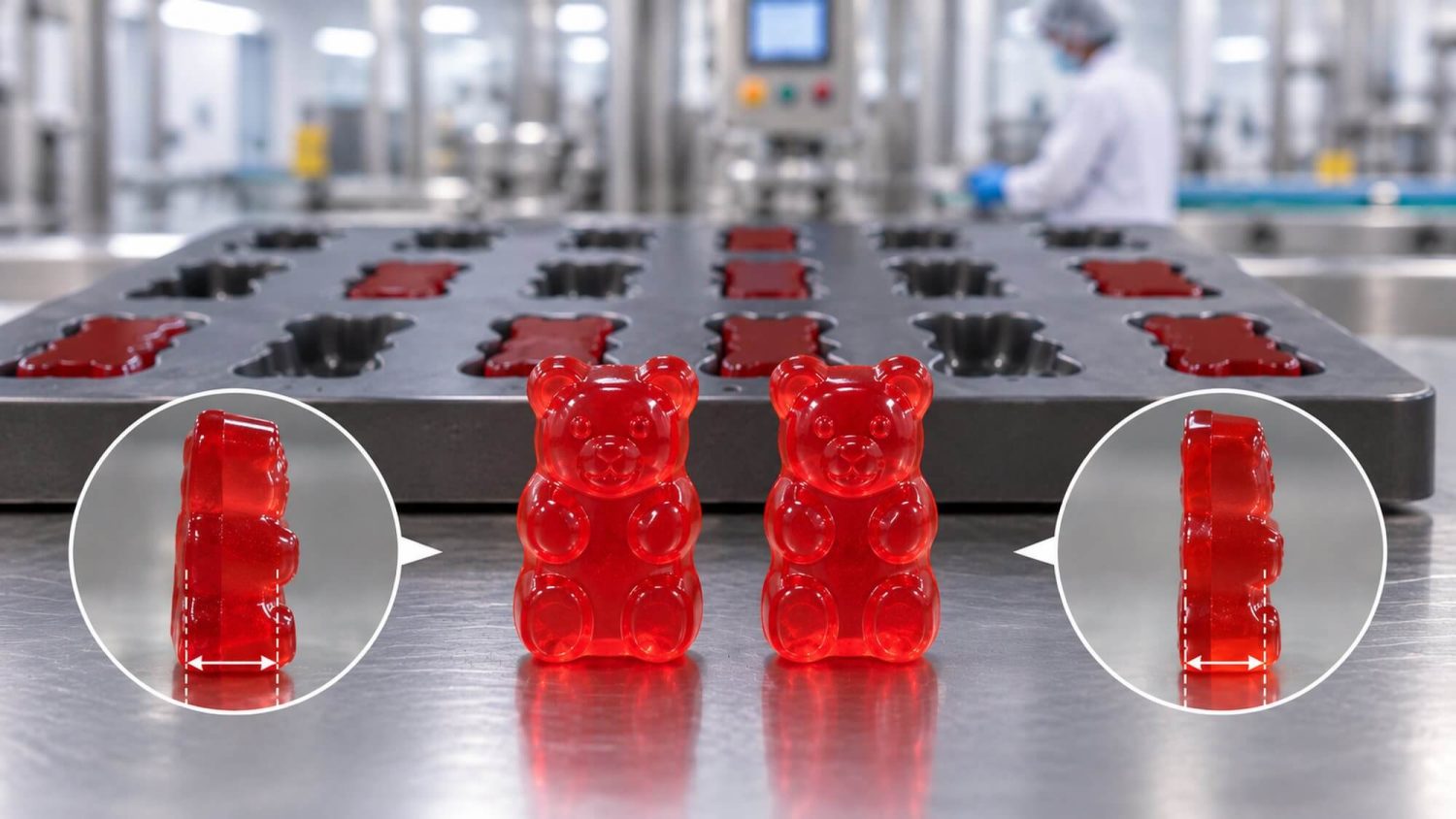
When the Problem Affects the Whole Run
Check the gummy mass temperature in the hopper. As the mass cools, it may become more viscous and can make the molds fill less evenly. It is also worth looking at the depositor setting and whether the hopper is receiving a steady supply of gummy mass.
If the problem slowly gets worse across the whole batch, it is more likely related to the gummy mass or the overall depositor setup than to one nozzle.
When the Same Cavities Keep Failing
The matching depositing channel may be the problem. Check whether the piston has trapped air or isn’t fully fed. A partly blocked nozzle can cause the same issue. If the gummy mass keeps landing off-center, the mold alignment may also need attention.
| What you see | Check first |
|---|---|
| Gummy weight changes from batch to batch | Mass temperature and depositor setting |
| The same cavities keep coming out underweight | Piston filling and the matching nozzle |
| Gummies form tails or strings | Gummy mass thickness and deposit nozzle suck-back setting |
| Gummies turn out incomplete or off-center shapes | Nozzle-to-mold alignment |
8. Why Do Gummies Stick to the Mold or Tear During Demolding?
Gummies usually stick or tear during demolding when they are not firm enough to come out cleanly. Sometimes, the mold or the demolding mechanism itself can be the cause too.
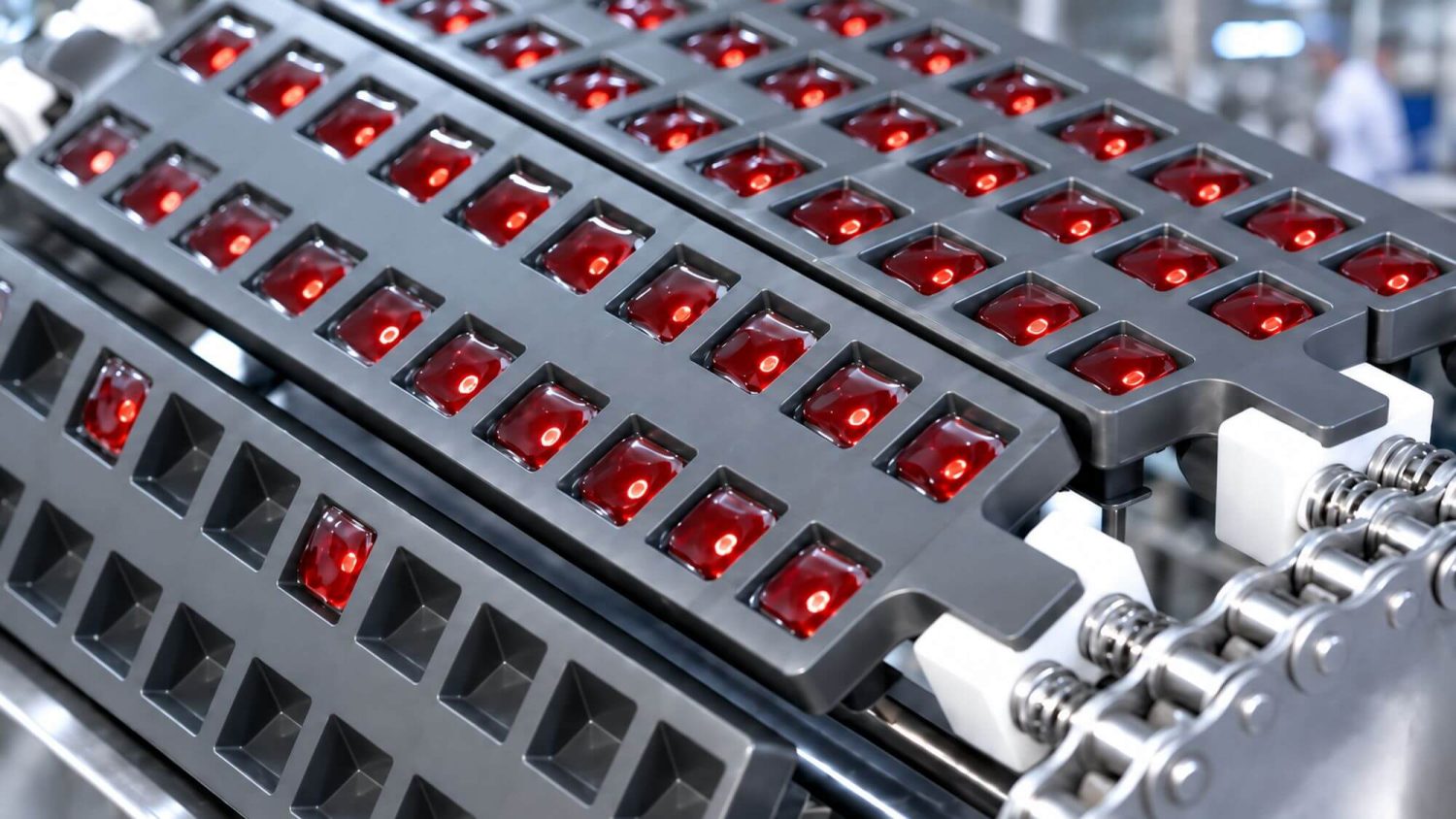
When the whole batch is difficult to release: Check the gummy temperature when it’s being demolded. Also look at whether they have cooled or set long enough. These may leave gummies still too soft to release. For starch-molded gummies, too much moisture in the mogul starch or poor starch impressions also make release more difficult.
If gummy tearing occurs at the same mold area: The problem may be around that part of the mold or demolding system. Residue or damage in those cavities can make the gummy stick to the mold. The demolding mechanism may also miss that area or apply uneven contact. Another possible cause is poor airflow in part of the curing room. Gummies in that area may lose moisture more slowly than the rest.
To fix the problem, the gummies may need more time to cool or set. Clean the affected mold area or adjust the demolding position. If gummies in certain tray stacks stay too soft, adding more space between stacks can improve airflow. Rotating the stack positions can also help them dry more evenly.
9. Why Do Gummies Become Grainy or Crystalline?
A sandy or grainy texture usually means sugar crystals have formed in a gummy. Glucose syrup is often used in gummy formulas because it helps slow down sucrose crystallization.
When gummies feel grainy soon after production, the problem may have started during cooking. The sucrose may not have dissolved completely. You can also check whether crystals were left on the kettle wall and mixed back into the batch. The sucrose-to-glucose-syrup ratio needs attention too.
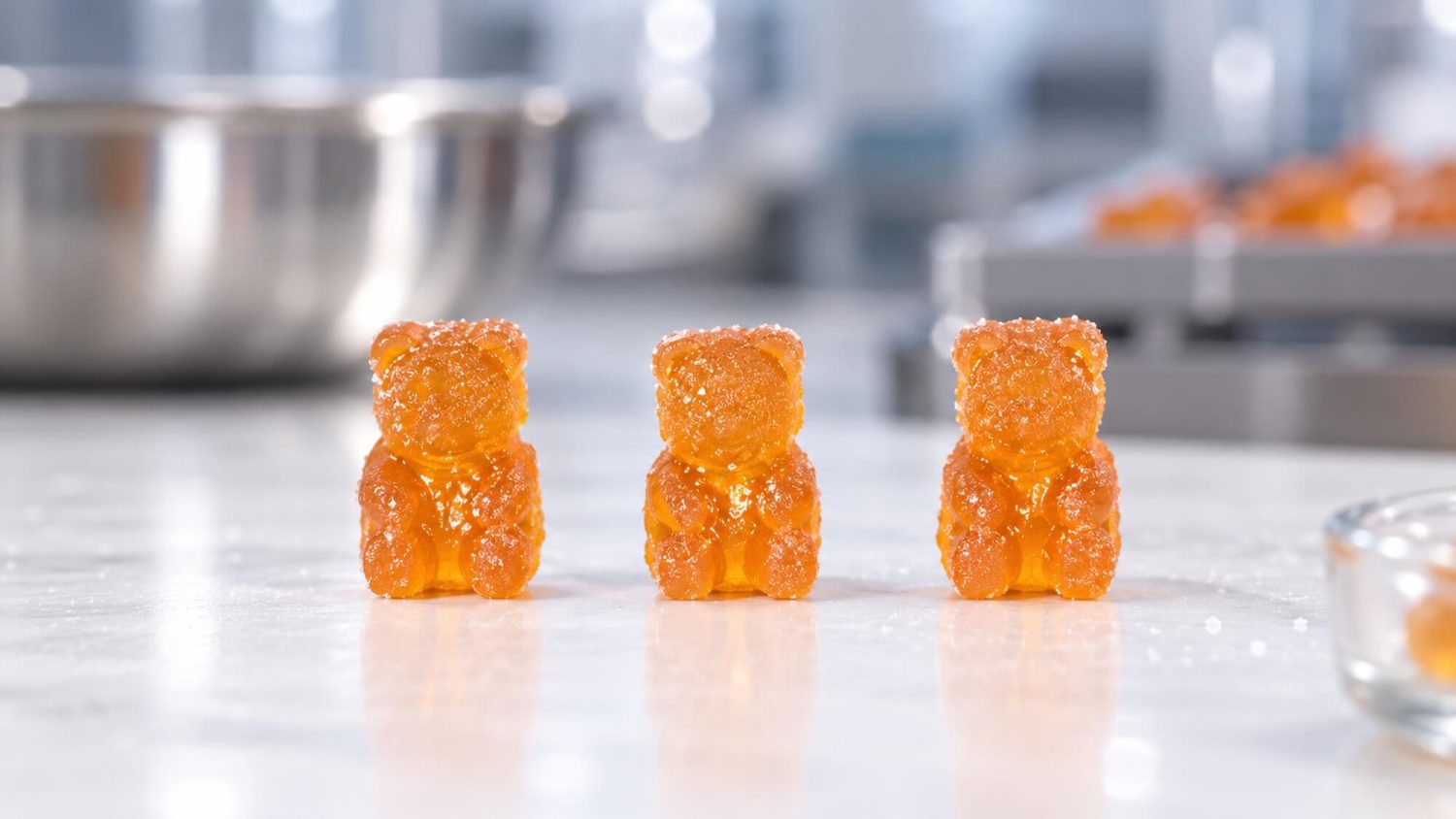
Graininess during storage may mean the sugar is crystallizing again over time. Inspect whether it’s caused by the packaging material or seal. For more information on moisture barriers, sealing, and suitable packaging formats, see our gummy packaging guide.
Sugar-free gummies can have a similar problem when the polyols start to crystallize. Research has found that replacing part of the xylitol with other carbohydrates can delay this process. If the problem keeps coming back, you may need to adjust the polyol blend rather than focusing only on the cooking step.
Quick Troubleshooting Guide
| Problem | Possible cause | What to do |
|---|---|---|
| Sticky gummies | Incomplete setting; high aw; poor package seal | Allow full setting; check aw; inspect the seal |
| Too soft or not setting | Low °Brix; incorrect pH; weak gel formation | Correct cooking endpoint; check acid or calcium addition; verify gelatin strength |
| Too hard | Excess water loss; too much gelatin; high Bloom strength | Reduce over-drying; correct gelatin dose or grade |
| Sweating or weeping | Condensation; syneresis; temperature swings | Stabilize storage temperature; correct pH or calcium imbalance |
| Mass thickens before depositing | Premature gelation; hopper cooling | Add acid later; maintain holding temperature; consider slower-setting pectin |
| Air bubbles | Air entrainment; poor vacuum removal; air entering a piston channel | Reduce agitation; check vacuum stage; inspect seals or O-rings |
| Uneven weight or shape | Viscosity change; blocked nozzle; poor mold alignment | Stabilize mass temperature; clean the nozzle; correct alignment |
| Sticking or tearing at demolding | Insufficient setting; wet molding starch; uneven airflow | Extend setting; correct mold conditions; improve airflow between tray stacks |
| Grainy or crystalline gummies | Undissolved sugar; seed crystals; polyol crystallization | Improve dissolution; prevent crystal carryover; adjust the polyol blend |
Final Takeaway
Most gummy manufacturing problems are easier to troubleshoot once you know when the defect first appears and whether it affects the whole batch or only one part of the line. That information gives you a better idea of what to check before changing the formula or machine settings.
If the same problem keeps returning, look at the step where it first develops. Fixing the problem there is usually more useful than only treating the finished gummies.
Of course, if recurring defects are related to the equipment rather than the formulation, you should compare available gummy manufacturing equipment before altering the entire process flow.
References
- Atalar, İ., Tüzün, B., Palabiyik, I., et al. (2025). Valorization black carrot colorant process liquid waste by clarification and decolorization: A novel sugar alternative for gummies. Food Chemistry: X, 27, 102362. https://doi.org/10.1016/j.fochx.2025.102362
- Lei, S., Li, J.-Q., Yang, X.-Q., & Guo, J. (2026). High-methoxyl Citrus Pectin-based gel with fortified plant-protein and less sugar. Food Hydrocolloids, 181, 113001. https://doi.org/10.1016/j.foodhyd.2026.113001
- Schmidgall, J. Gelatin Know-How: Gelling Power. GELITA.
- Wang, R., & Hartel, R. W. (2022). Citric acid and heating on gelatin hydrolysis and gelation in confectionery gels. Food Hydrocolloids, 129, 107642. https://doi.org/10.1016/j.foodhyd.2022.107642
- Tireki, S., Sumnu, G., & Sahin, S. (2021). Correlation between physical and sensorial properties of gummy confections with different formulations during storage. Journal of Food Science and Technology, 58(9), 3397–3408. https://doi.org/10.1007/s13197-020-04923-3